United States
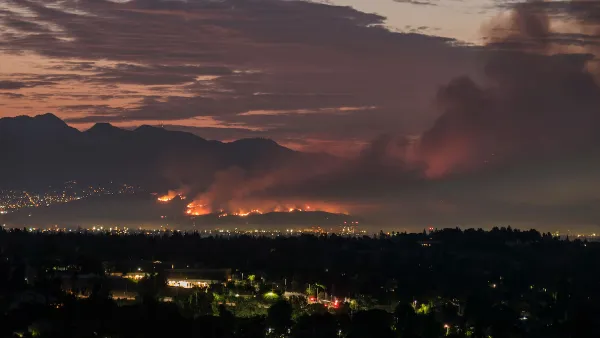
'Place Shock' and the Ecology of Fear
How to conceive of rebuilding places amid sudden change in a region known for its “ecology of fear?” As the city embarks on the arduous task of rebuilding, the question arises: how do we reconcile the imperatives of safety and sustainability with the deeply ingrained human desire for continuity, for a sense of rootedness in the familiar?
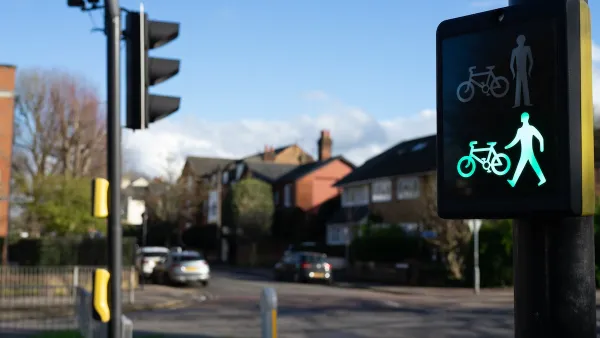
‘Safe Land Use:’ A Key to Road Safety
How approaching transportation planning through a public health lens can reduce traffic deaths.
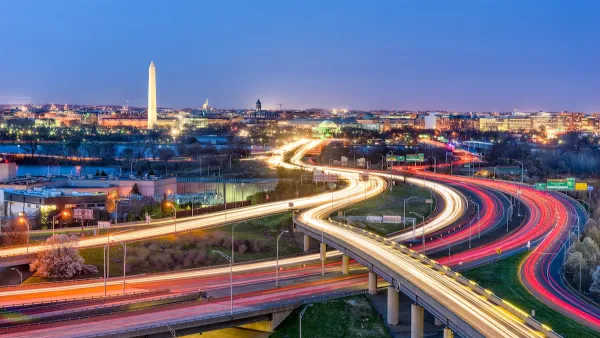
A Potential Path for Road Pricing in DC
How might cordon pricing impact DC drivers and transit users?

Nature and Nurture: Understanding the Diversity of Biophilia
Biophilia, originally thought to be an innate and universal love for nature, is now understood as a temperament trait with significant individual differences influenced by genetics and experience.
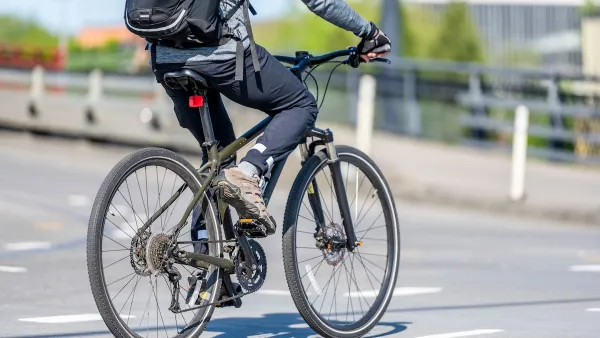
Research Affirms Safety of ‘Idaho Stop’
Allowing cyclists to treat stop signs as yield signs does not negatively impact safety and can help people on bikes more effectively navigate roadways.
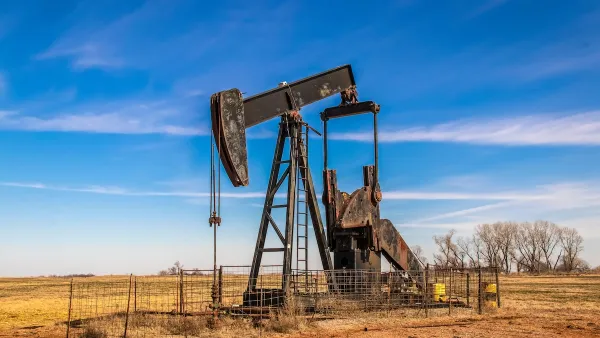
How an Environmental Liability Tax Could Solve the Orphan Well Crisis
An Environmental Liability Tax (ELT) on oil extraction would fund orphaned well cleanup, shift financial responsibility to oil companies, and address the environmental and public health risks posed by abandoned wells.

How AI Is Revolutionizing Urban Forestry and Climate Resilience
Tree-D Fusion, an AI-driven tool developed by MIT and Purdue researchers, generates 3D models of urban trees to help city planners visualize future green spaces, address climate challenges, and enhance urban livability and sustainability.

Key Climate and Health Issues to Watch in 2025
The escalating health impacts of climate change, from extreme heat to sea level rise, highlight the urgent need for integrated medical education, proactive communication, and sustainable policy solutions to protect public health.
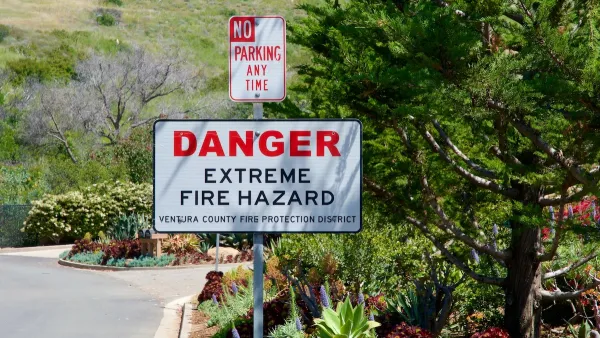
Rising Temperatures and the Escalating Wildfire Crisis
Rising global temperatures driven by climate change are intensifying and prolonging wildfire seasons worldwide, necessitating improved forest management, public awareness, and urgent action to reduce fossil fuel emissions.
Planning Year in Review 2024: An Ongoing Housing Crisis, the Fight for Climate Resilience, and a Mixed Bag for Transportation
A pedestrian safety crisis, rising housing instability, and destructive extreme weather events set the stage for an eventful year.

Study: Auto Braking Tech Doesn’t Register Reflective Clothing
The automatic braking systems on two major car models failed to stop for pedestrians wearing reflective strips in a test.
The Link Between Urban Design and Crime
A meta-study shows that public realm interventions can help reduce crime rates.
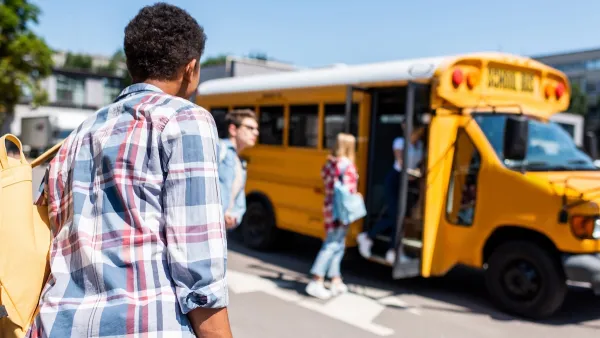
A Better Way to Plan School Facilities
Taking a wider view of communities could help keep schools open despite falling enrollment.

Half of US Tenants Are ‘Rent Burdened’
High housing costs are squeezing a record number of American households.

NHTSA Investigation Targets Tesla Remote Parking
Dozens of videos reportedly show Tesla vehicles colliding with other cars, parking signs, and walls while using a driverless remote parking feature.
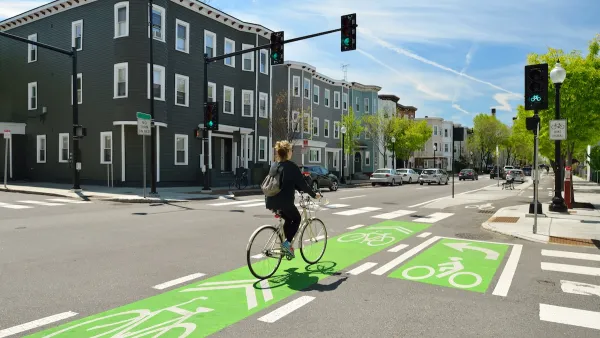
NACTO Releases Updated Urban Bikeway Guide
The third edition of the nationally recognized road design guide includes detailed design advice for roads that prioritize safety and accessibility for all users.

How I Learned to Stop Worrying and Love the Roundabout
What drives the U.S. backlash to roundabouts — objectively safer and more efficient than stop-and-go intersections?
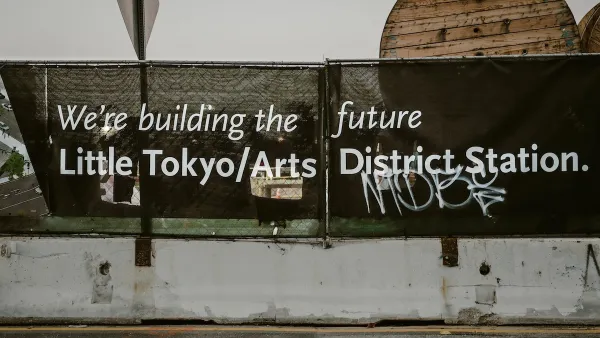
How Did Transit Projects Fare in 2024?
A comprehensive list of public transit expansions and new lines that opened in 2024, and projections for 2025.
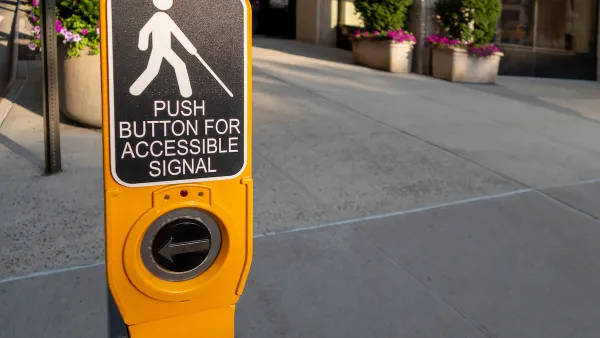
Accessibility and Car-Free Zones
Some critics of car-free zones call them exclusionary to people with disabilities, but other experts argue that, when properly planned, pedestrian enhancements improve safety and accessibility for everyone.
Accessibility and Car-Free Zones
Some critics of car-free zones call them exclusionary to people with disabilities, but other experts argue that, when properly planned, pedestrian enhancements improve safety and accessibility for everyone.

FREE Course: Walkable City 1: Why Walkability?
After describing his path towards focusing on walkability as the essence of good planning, Jeff Speck marches through his five principal reasons for making more walkable places.
Reinventing Malls: Planning Alchemy—Turning Gray Fields Into Gold
The course focuses on the opportunities and imperatives that shape reinvention of mall sites.

One Hundred Miles
County of Mendocino
planning NEXT
The Architects Foundation
University of Cincinnati Online
Montrose County
Northern Illinois Transit Authority (NITA)
The Pocatello Development Authority









