United States
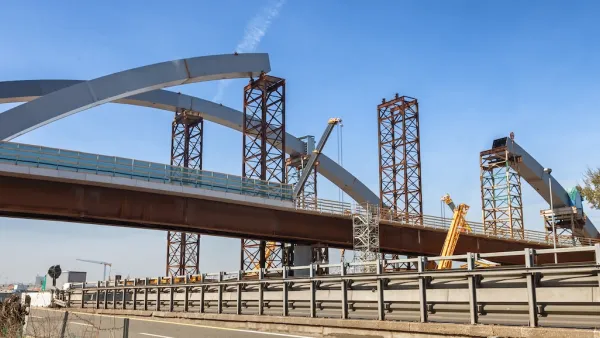
From Grants to Growth: The Critical Role of Funding in Urban Transportation Projects
How cities are taking innovative approaches and adopting technology to develop sustainable, long-term funding sources for transportation infrastructure.

National Monuments Under Threat From Mining Under New Executive Order
An executive order from the Department of the Interior could gut protections for public lands established under the Antiquities Act.

Single-Stair Reform Gains Strength
The movement to legalize single-stair multi-story buildings is gathering momentum, with the typology offering a more efficient, flexible, and healthy way to build housing.
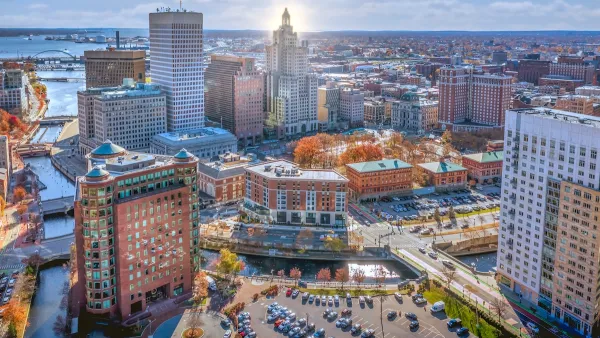
From Plan to Place: Providence’s Downtown Renaissance
Providence’s downtown is transforming from plan to place. Decades of strategic planning, zoning reforms, & investment are paying off, creating a more vibrant, walkable urban core. Here’s how thoughtful policy and design are shaping the city’s future.
DOT Memo Directs Transportation Funding to Communities With Higher Marriage and Birth Rates, Compliance with Immigration Officials and No Mask Mandates
The memo ties immigration enforcement to federal funding and prohibits mask or vaccine mandates.
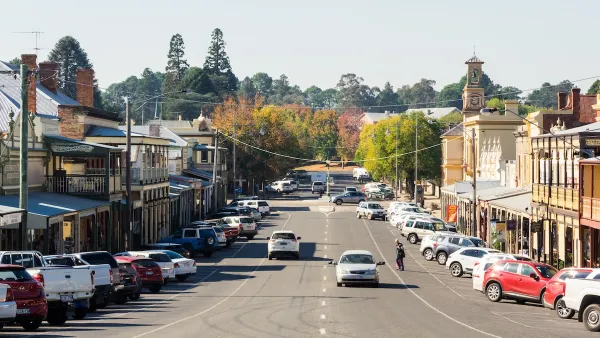
The Importance of Rural Transit
On Transit Equity Day, reminding policymakers that rural communities need access to transit too.
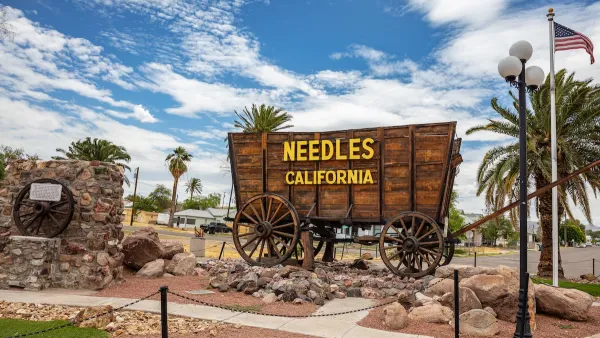
Commentary: Why We Need a Federal Definition of ‘Rural’
A patchwork of definitions of rural versus urban areas has real consequences for communities seeking federal funding.
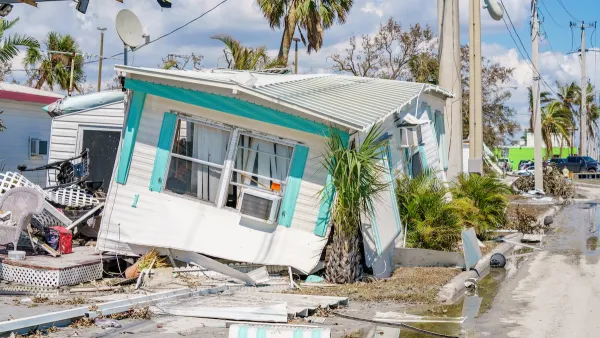
How to Make Manufactured Housing More Resilient
Manufactured housing builders must balance affordability with the need to protect housing against extreme weather events.
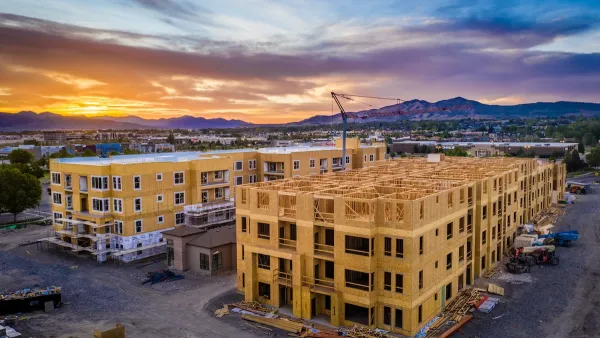
As Housing Crisis Continues, Cities Take New Approaches
How U.S. cities are seeking to diversify their funding sources for housing assistance programs and eliminate barriers to housing construction.
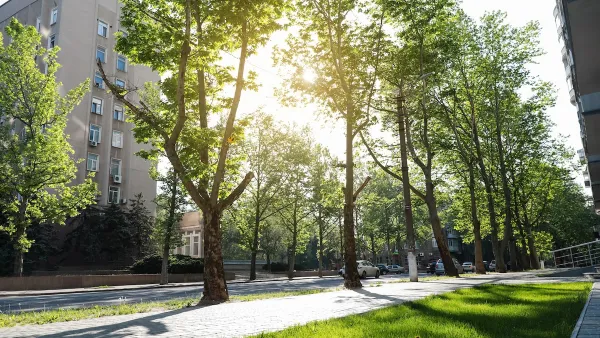
New Interactive Tool Helps Cities Assess and Strengthen Urban Tree Canopies
A new national tree canopy assessment tool, available at TreesAtWork.org, provides high-resolution data to help cities track tree cover changes, prioritize planting efforts, and enhance urban resilience.
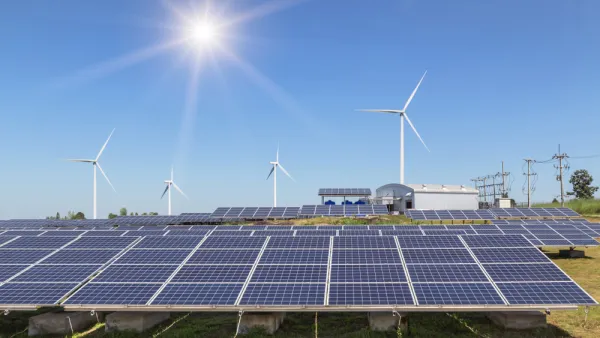
Equity in Energy: Protecting Livelihoods and Restoring Communities
The transition from fossil fuels to renewable energy must be equitable, ensuring that workers receive support, communities are revitalized, and degraded lands are restored to create a more sustainable and inclusive future.
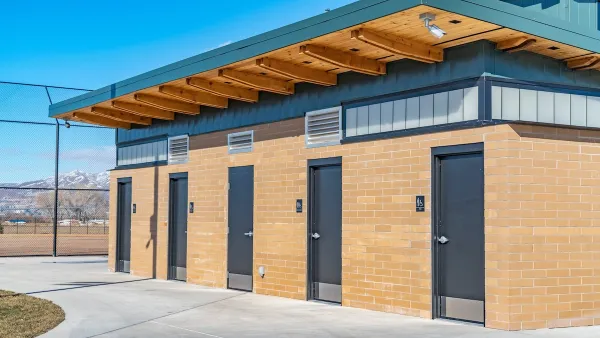
Opinion: Public Restrooms Shouldn’t Be Starbucks’ Problem
The outrage over the chain’s decision to limit the use of its bathrooms should prompt more questions about why the U.S. lacks public restrooms.
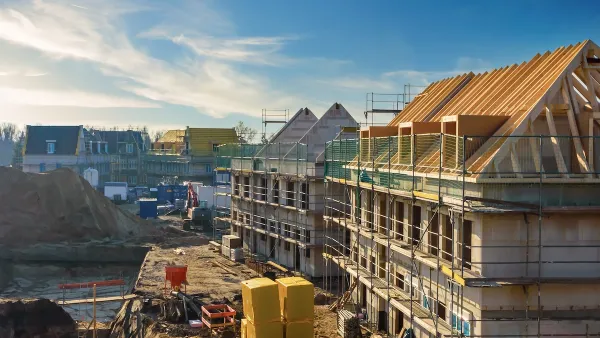
How Might Tariffs and Deportations Affect Affordable Housing Development?
Many affordable housing developers worry Trump’s proposed taxes on imports and crackdown on immigration will be detrimental to the industry. Others hope deregulation reduces development costs enough to offset those effects. What’s the most likely outcome?
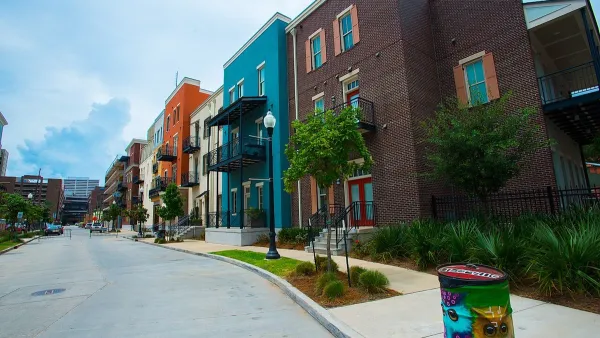
What Is ‘Affordable Housing’?
For such a commonly used term, “affordable housing” means a lot of different things to different people and in different contexts.For such a commonly used term, “affordable housing” means a lot of different things to different people and in different contexts.

What the US Intercity Rail System Could Look Like
An FRA study shows how new Amtrak lines could connect tens of millions more Americans to rail travel.
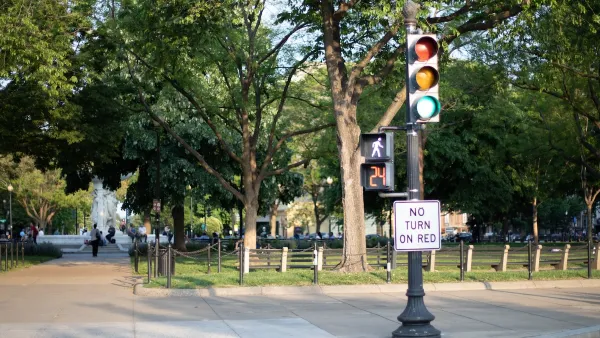
Why Right Turns on Red Are Bad for Traffic Safety
The practice creates dangerous conditions for pedestrians, cyclists, and anyone crossing in front of turning vehicles.

Commentary: A New ‘Grand Bargain’ for American Housing
For decades, many U,S, neighborhoods successfully resisted change at the expense of a few neighborhoods sacrificed to mass development. Is there a better way?
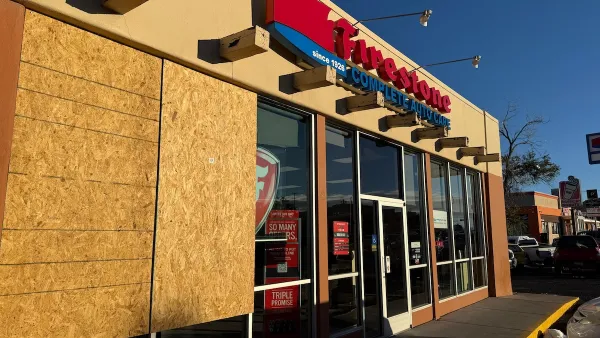
Avoiding Misplacement of a Place
To balance the interests of current residents and economic well-being, does a city's signature identity need an update?

Survey Shows Boomers Are Unlikely to Stop Driving
Limited transit options and a lack of walkability mean more older Americans will continue to drive their cars as they age.

Study: Americans Spending Less Time Interacting in Public Space
American pedestrians are moving faster and spending less time connecting with other people when walking down city streets.

FREE Course: Walkable City 1: Why Walkability?
After describing his path towards focusing on walkability as the essence of good planning, Jeff Speck marches through his five principal reasons for making more walkable places.
Reinventing Malls: Planning Alchemy—Turning Gray Fields Into Gold
The course focuses on the opportunities and imperatives that shape reinvention of mall sites.

One Hundred Miles
County of Mendocino
planning NEXT
The Architects Foundation
University of Cincinnati Online
Montrose County
Northern Illinois Transit Authority (NITA)
The Pocatello Development Authority









