United States

Can State Lawmakers Make the Case for Road Charges?
More state legislatures are considering fees based on vehicle miles traveled as a replacement for declining gas tax revenues.
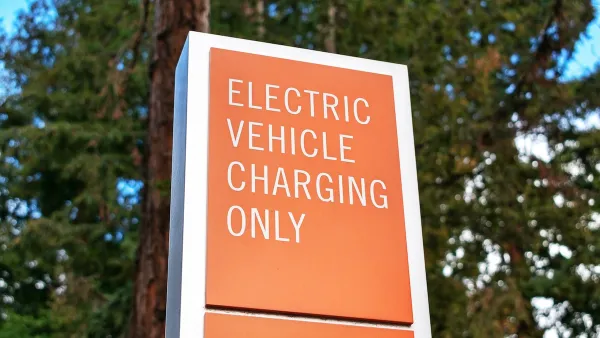
10 States Follow Through on Promise to Put 3.3 Million EVs on the Road
Rebate programs are at the heart of collaborative success.
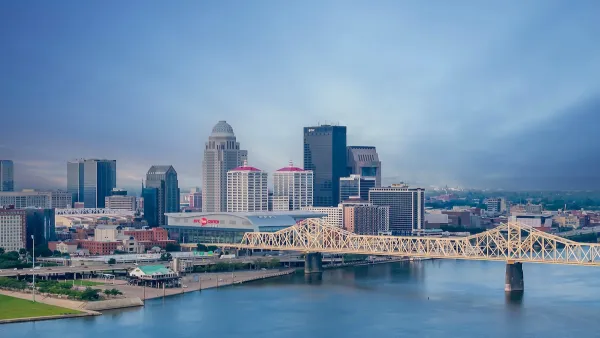
Louisville Launches ‘Anti-Displacement Tool’
After a years-long, tenant-led effort, Louisville will use a new tool to analyze whether a proposed housing development can meet a neighborhood’s housing needs and income levels. If it doesn’t, the city won’t subsidize it.
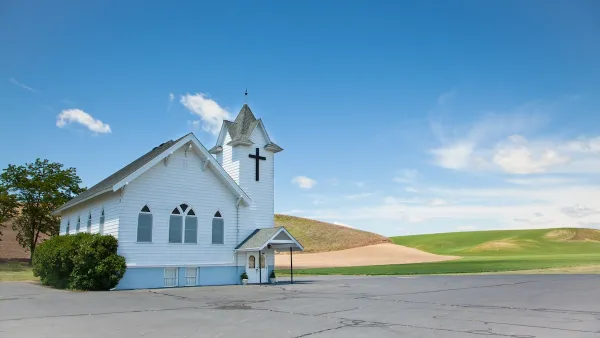
The YIGBY Movement: Unlocking Church-Owned Land for Affordable Housing
As the housing crisis deepens, interest in faith-based development is spreading across the country. How do YIGBY zoning laws work, where are they being implemented or introduced, and what could it mean for communities and churches?
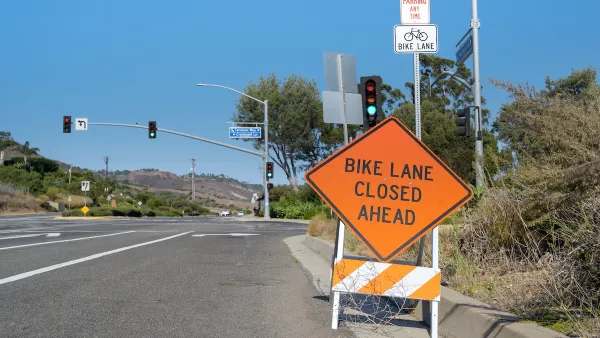
USDOT Could Pull Green Infrastructure Grants
A new department memo requires a review of projects with the goal of removing bike, pedestrian, and electric vehicle infrastructure.
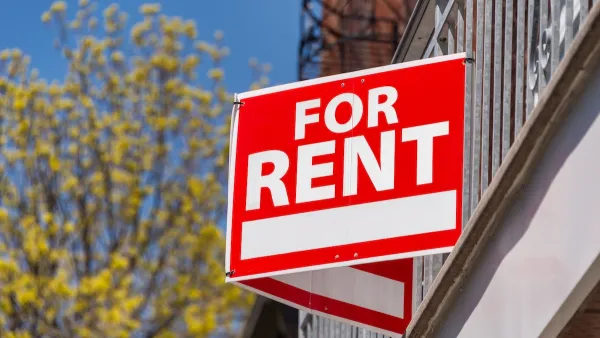
What Makes Rent ‘Fair’
Should monthly charges be pegged to the cost of financing, developing, and operating housing, or to household income? Or are there other ways to design how rent is calculated?
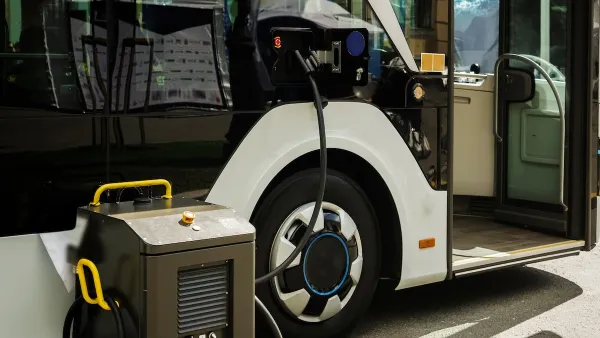
Zero-Emission Bus Fleets Grow, But Federal Funding Is in Jeopardy
Transit agencies around the country have purchased over 7,000 zero-emission buses, but a federal program that funds the shift could be eliminated under the new administration.
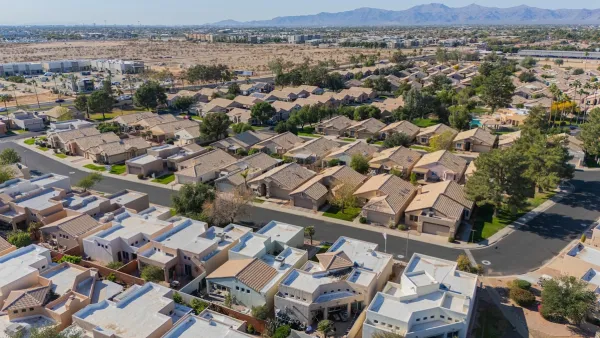
HUD Announces Plan to Build Housing on Public Lands
The agency will identify federally owned parcels appropriate for housing development and streamline the regulatory process to lease or transfer land to housing authorities and nonprofit developers.

Embracing Spring: Ways to Reconnect With Nature and Find Joy
This spring, reconnect with nature and enhance your well-being through simple activities like observing plants up close, practicing forest bathing, birdwatching, arranging flowers, and starting a container garden.
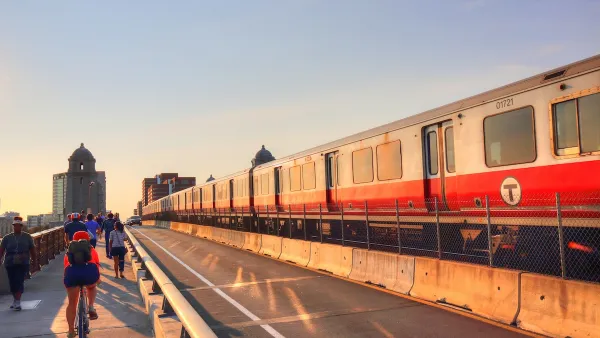
What the Proposed Federal Budget Means for Transit, Rail
The proposed FY 2025 budget keeps spending for public transit and passenger rail essentially the same as in 2024.
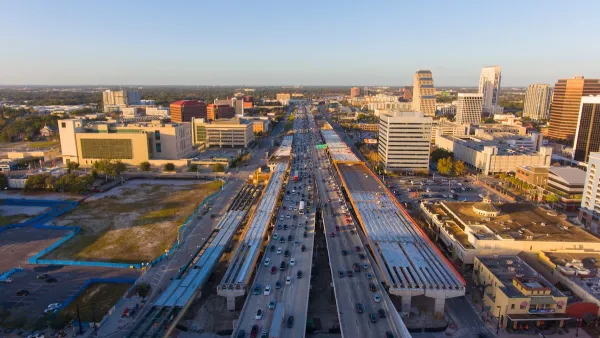
Disconnecting Communities: Measuring the Social Impacts of Freeways
Research from 50 major U.S. cities shows social connections are weakest in neighborhoods where highways are present.
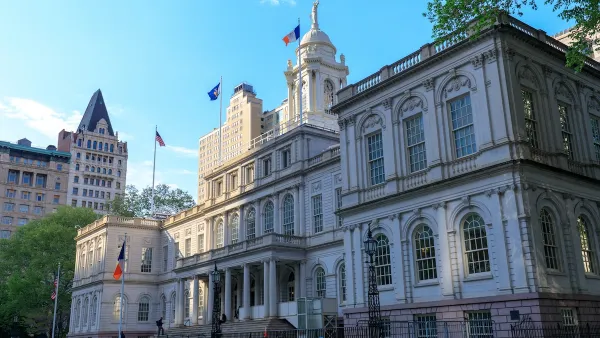
Are Black Mayors Being Pushed Out of Office?
The mayors of New York, St. Louis, and Pittsburgh all stand to lose their seats in the coming weeks. They also all happen to be Black.

‘Innovative DOT’ Guide Offers Path to Resilience for State DOTs
A new resource offers concrete recommendations for thriving in a changing transportation landscape, prioritizing a ‘fix it first’ approach to infrastructure maintenance.
USDOT Eliminates Environmental, Equity Considerations
A new memo rescinds Biden-era regulations that prioritized renewable energy, accessibility, and equity for historically disadvantaged communities.
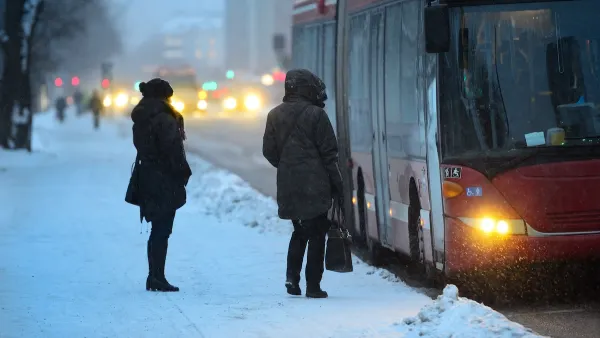
Study: Drops in Transit Ridership Linked to Extreme Weather
Unsurprisingly, people are less likely to use transit during extreme weather events, which are becoming more common around the country.
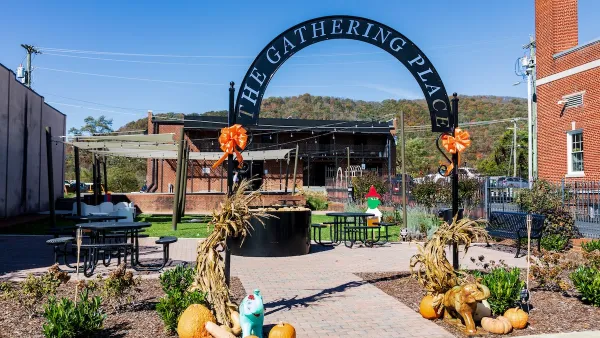
Report: The State of Public Spaces
A 50-year-old institution takes stock of placemaking in the public realm today.
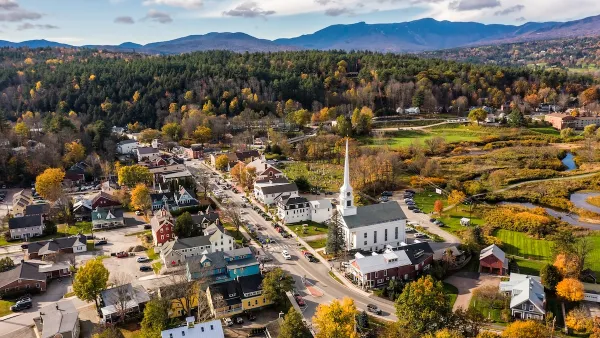
New Data: Rural Remote Workers Concentrate in Recreation Hubs
Remote workers flock to ski towns, hiking spots and other popular recreation hubs.

Fair Housing Funding Cuts Open Door to Discrimination, Advocates Say
Federal cuts to grants for fair housing advocacy organizations could lead to ‘widespread’ housing discrimination as enforcement resources are reduced.
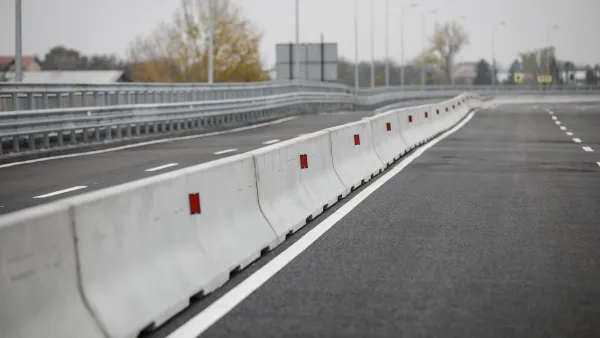
‘Colorado Barrier’ Repurposes Old Tires for Road Safety
The recycled rubber barrier can protect pedestrians and people in cars on lower-speed streets.

Study: Walkability Can Help Reduce Dementia Risk
Walkable neighborhoods offer natural opportunities to stay active and engaged with friends and neighbors, increasing residents’ chances of remaining mentally and physically healthy longer.

FREE Course: Walkable City 1: Why Walkability?
After describing his path towards focusing on walkability as the essence of good planning, Jeff Speck marches through his five principal reasons for making more walkable places.
Reinventing Malls: Planning Alchemy—Turning Gray Fields Into Gold
The course focuses on the opportunities and imperatives that shape reinvention of mall sites.

City of Charlotte
City of Rosemead
Rutgers University, Edward J. Bloustein School of Planning and Public Policy
University of Michigan School for Environment and Sustainability (SEAS)
Hunter College, City University of New York (CUNY)
The Architects Foundation
University District Partnership









