United States

A Year-Long Investigation On Permanent Supportive Housing
The New York Times reveals what’s working and what’s not in the cornerstone of Housing First.
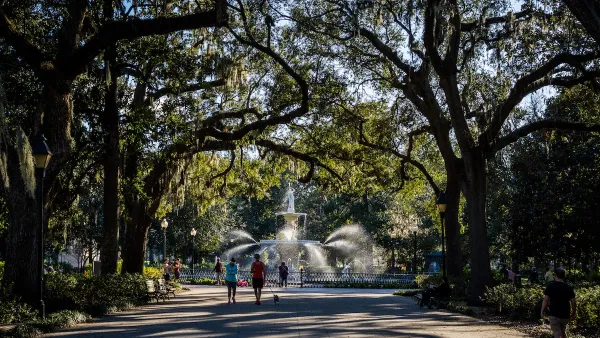
Survey: US Public Spaces Not Meeting Community Needs
A lack of funding prevents many U.S. parks and public spaces from playing a more significant role in helping residents meet daily needs.
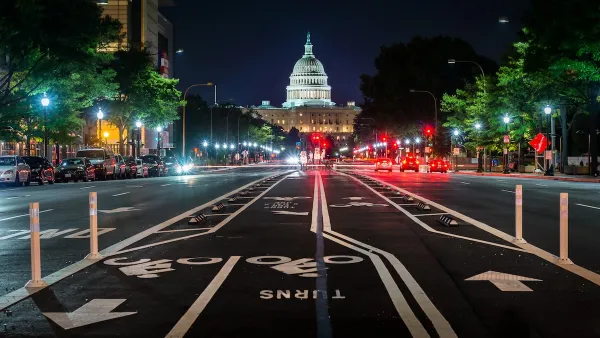
Safe Streets Funding in Jeopardy
The Trump administration is specifically targeting bike infrastructure and other road safety projects in its funding cuts.
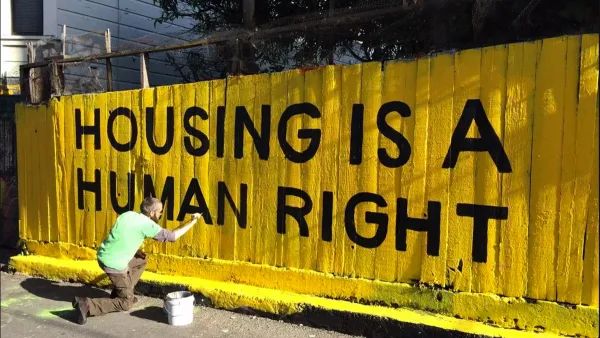
Six Reasons Why Housing Is a Human Right
Is housing a human right? A law professor shares six reasons why it should be, from its role in protecting other rights to global recognition and U.S. legal traditions. As public support grows, could housing be the next right written into law?

HHS Staff Cuts Gut Energy Assistance Program
The full staff of a federal program that distributes heating and cooling assistance for low-income families was laid off, jeopardizing the program’s operations.
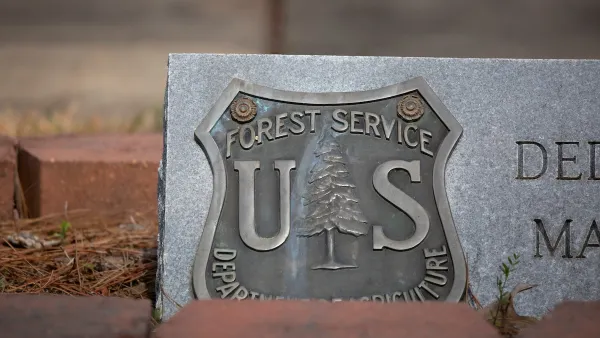
What Forest Service Cuts Mean for Cities
U.S. Forest Service employees work on projects that have impacts far beyond remote, rural wilderness areas.
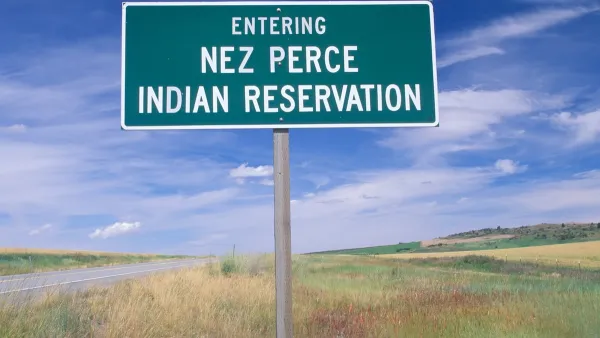
Native American Communities Prepare to Lead on Environmental Stewardship
In the face of federal threats to public lands and conservation efforts, indigenous groups continue to model nature-centered conservation efforts.

Proposed Bill Would Direct Funds to Road Safety
The Sarah Debbink Langenkamp Active Transportation Safety Act was spurred by the death of a U.S. diplomat who was killed on her bicycle.
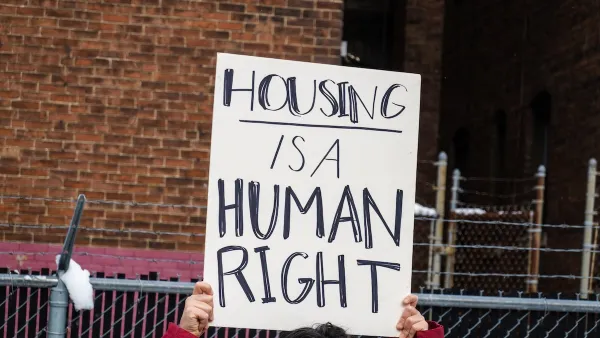
HUD Ordered to Release Grant Funds After Anti-DEI Clawback
A federal judge ruled in favor of fair housing groups after the Trump administration tried to rescind housing grants.
Drop in Veteran Homelessness Offers Lessons
Bipartisan support, robust funding, and access to comprehensive data are keys to the success of programs that assist unhoused veterans.

Minneapolis Bans Rent-Setting Software
Four cities have enacted restrictions on algorithmic software that can inflate rent costs.

Harnessing the Power of Fungi for Environmental Cleanup
Mycoremediation — the use of fungi to break down or absorb environmental pollutants — offers a promising, cost-effective, and eco-friendly alternative to conventional methods for restoring contaminated sites.

Which US Rail Agencies Are Buying Zero-Emissions Trains?
U.S. rail agencies are slowly making the shift to zero-emissions trains, which can travel longer distances without refueling and reduce air pollution.

Affordable Housing Renovations Halt Mid-Air Amidst DOGE Clawbacks
HUD may rescind over a billion dollars earmarked for green building upgrades.

Has Anyone at USDOT Read Donald Shoup?
USDOT employees, who are required to go back to the office, will receive free parking at the agency’s D.C. offices — flying in the face of a growing research body that calls for pricing parking at its real value.
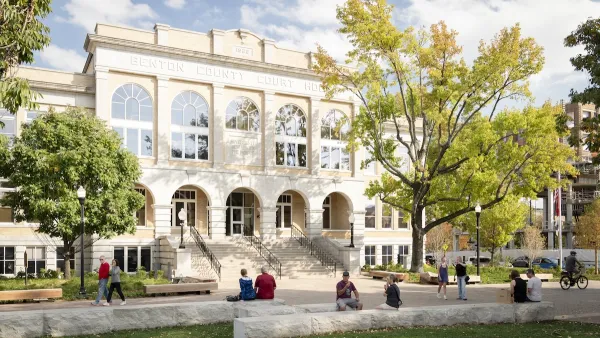
Placekeeping: Setting a New Precedent for City Planners
How a preservation-based approach to redevelopment and urban design can prevent displacement and honor legacy communities.

EPA Terminates $116 Million in Grants for Reducing Emissions from Construction Materials
C-MORE grants were earmarked for industry trade groups and universities.
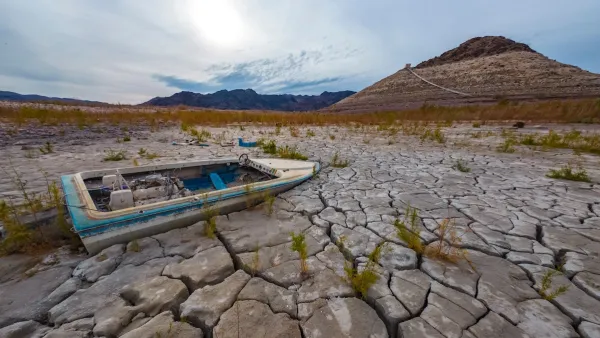
NOAA: Southwest ‘Megadrought’ to Persist
Roughly 40 percent of the 48 lower U.S. states are currently in some state of ‘abnormally dry conditions.’
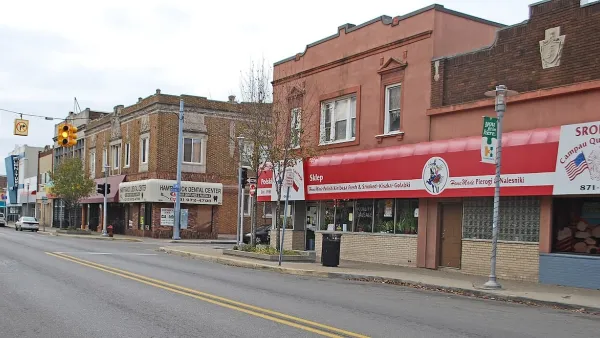
Research: Walkability Linked to Improved Public Health
A study reveals that the density of city blocks is a significant factor in communities’ walkability and, subsequently, improved public health outcomes for residents.

New Executive Order Renews Attack on Public Lands
An order issued late last week pushes for increased mineral extraction on federally owned public lands.

FREE Course: Walkable City 1: Why Walkability?
After describing his path towards focusing on walkability as the essence of good planning, Jeff Speck marches through his five principal reasons for making more walkable places.
Reinventing Malls: Planning Alchemy—Turning Gray Fields Into Gold
The course focuses on the opportunities and imperatives that shape reinvention of mall sites.

One Hundred Miles
County of Mendocino
planning NEXT
The Architects Foundation
University of Cincinnati Online
Montrose County
Northern Illinois Transit Authority (NITA)
The Pocatello Development Authority









