An order issued late last week pushes for increased mineral extraction on federally owned public lands.


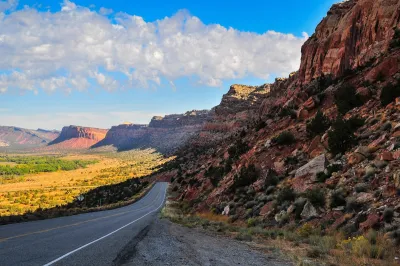
A new executive order from the Trump administration titled “Immediate Measures to Increase American Mineral Production” enables mineral extraction on federal public lands. According to an article from Rocky Mountain Community Radio by Caroline Llanes, “The order includes uranium, copper, potash, gold, and gives a new ‘National Energy Dominance Council’ broad authority to designate other minerals.”
The order also calls for streamlining the permitting process for mining and the immediate issuance of approval for some projects, encouraging federal departments to seek feedback from the mining industry on “regulatory bottlenecks” but not from local communities that would be impacted.
In addition to harm to wildlife and local ecosystems, Rachel Hamby, policy director at the Center for Western Priorities notes, “there are the well-known impacts to things like surface and groundwater and contamination of soil, and even the release of dangerous substances into the air that are gonna travel beyond the footprint of the mine or the production facility and impact nearby communities.”
Public lands across the country, especially in the West, are under threat as the new administration attempts to claw back protections for new national monuments designated by former presidents such as Chuckwalla National Monument in Southern California and Bears Ears National Monument in Utah. Now, Trump wants to end the Antiquities Act, which allows presidents to create new national monuments for historical, environmental, or cultural reasons, and increase resource extraction on protected lands.
FULL STORY: Executive order from Trump seeks to ramp up mining operations on federal public lands

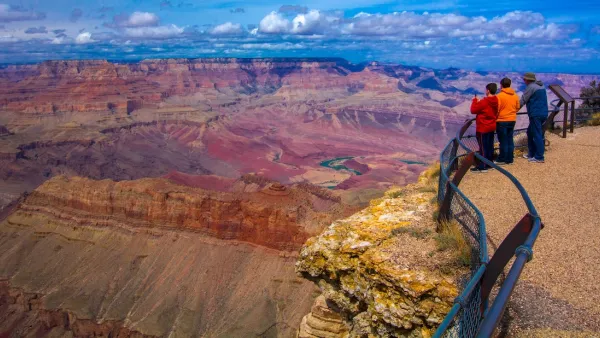
DOJ Says Trump Has Power to Roll Back National Monuments
The opinion sheds light on how the administration may justify its effort to eliminate protected public lands.
BLM To Rescind Public Lands Rule
The change will downgrade conservation, once again putting federal land at risk for mining and other extractive uses.
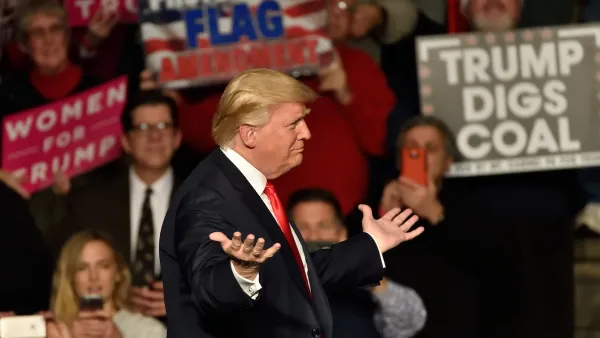
Trump Administration Wants to Remove Conservation From Approved 'Uses' of Public Land
The Department of the Interior moved to officially rescind the Public Lands Rule passed in 2024, which elevates the conservation of public lands to the same level of protection as other uses.

The state-sanctioned urbicide of Austin
People don’t kill cities. Freeways do.

US to reduce Colorado River water deliveries to Mexico
A new Colorado Treaty amendment reduces Mexico’s Colorado River water allocation by 250,000 acre feet.

New Jersey’s second-largest city bans standalone data centers
Jersey City will continue to allow co-location facilities, such as those meant for research institutions that store their own data.

Amtrak not solely to blame for New Jersey commuter rail's unreliability, report finds
A new study from the Garden State Initiative found that NJ Transit’s budget grew 20% across a 4 year period, but reliability declined significantly over the same period.

EPA erases limits on planet-warming pollution from power plants
Under Monday’s plan, power plants would still have some limits on how much mercury, arsenic and other contaminants they can emit.

Phoenix announces new on-demand transit service, more frequent RAPID buses
Both new services will launch in October, and are part of Phoenix's Project Effective Access Solutions for Easing Congestion.

FREE Course: Walkable City 1: Why Walkability?
After describing his path towards focusing on walkability as the essence of good planning, Jeff Speck marches through his five principal reasons for making more walkable places.
Reinventing Malls: Planning Alchemy—Turning Gray Fields Into Gold
The course focuses on the opportunities and imperatives that shape reinvention of mall sites.

Eagle County Government
Harvard University Graduate School of Design
Nashville Planning Department
The Architects Foundation
University of Cincinnati Online
The Pocatello Development Authority
The Urban Renewal Agency of the City of Pocatello
Journal of the American Planning Association