United States
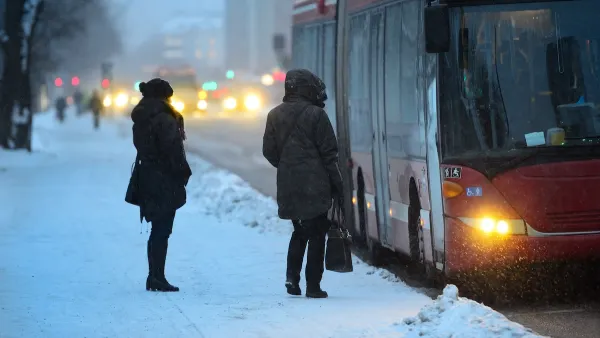
Study: Drops in Transit Ridership Linked to Extreme Weather
Unsurprisingly, people are less likely to use transit during extreme weather events, which are becoming more common around the country.
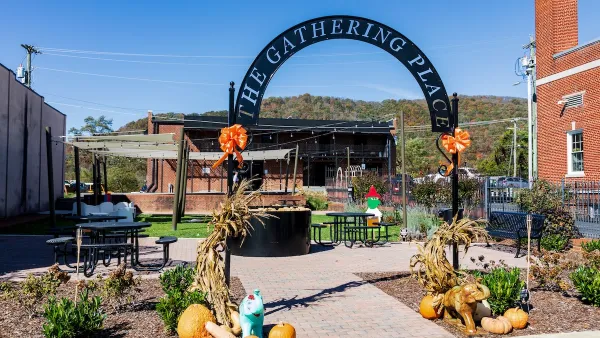
Report: The State of Public Spaces
A 50-year-old institution takes stock of placemaking in the public realm today.
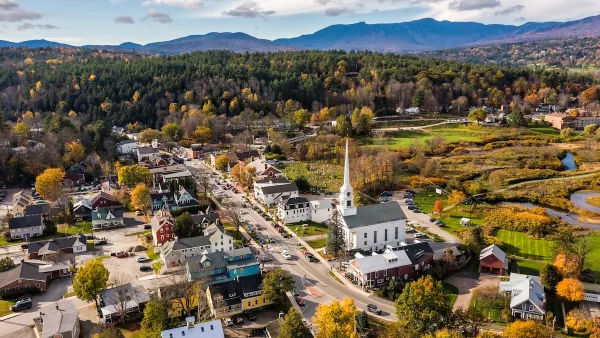
New Data: Rural Remote Workers Concentrate in Recreation Hubs
Remote workers flock to ski towns, hiking spots and other popular recreation hubs.

Fair Housing Funding Cuts Open Door to Discrimination, Advocates Say
Federal cuts to grants for fair housing advocacy organizations could lead to ‘widespread’ housing discrimination as enforcement resources are reduced.

‘Colorado Barrier’ Repurposes Old Tires for Road Safety
The recycled rubber barrier can protect pedestrians and people in cars on lower-speed streets.

Study: Walkability Can Help Reduce Dementia Risk
Walkable neighborhoods offer natural opportunities to stay active and engaged with friends and neighbors, increasing residents’ chances of remaining mentally and physically healthy longer.

Take a Walk: Why Step Count Is the Most Valuable Fitness Metric
Step count remains the most valuable fitness metric for longevity and well-being, offering a simple yet powerful way to track daily movement, reduce health risks, and promote active lifestyles without reliance on complex data or technology.

Has President Trump Met His Match?
Doug Ford, the no-nonsense premier of Canada's most populous province, Ontario, is taking on Trump where it hurts — making American energy more expensive.
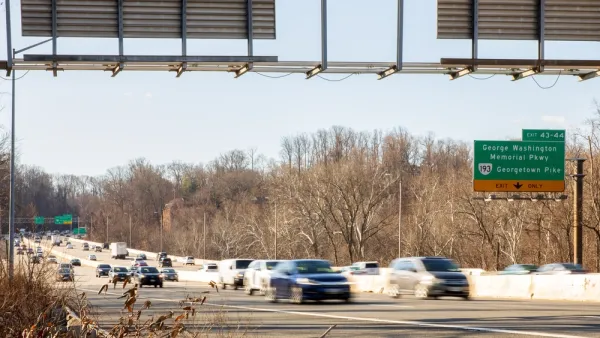
U.S. Miles Driven Rose by 1 Percent in 2024
Americans drove a total of 3.279 trillion miles in 2024, but per capita VMT stayed the same.

Ratepayers Could Be on the Hook for Data Centers’ Energy Use
Without regulatory changes, data centers’ high demand for energy would be subsidized by taxpayers, according to a new study.
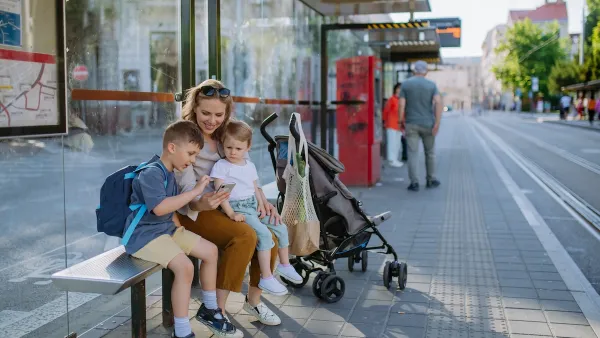
Are Mobility Hubs Child-Friendly?
‘Mobility hubs’ aim to make urban travel easier by connecting travel modes. Adding more services could make them more accessible and useful to women and families.
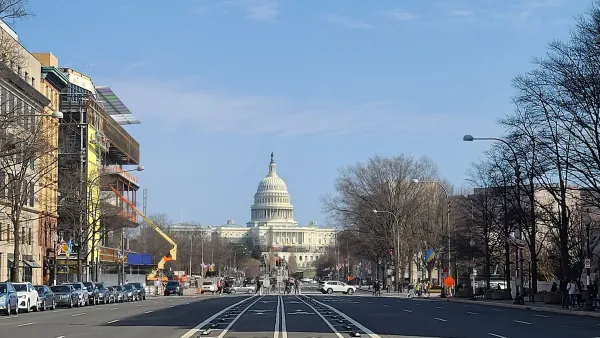
Planning Trends for 2025: Creative Housing Solutions, Ongoing Transit Woes, and the Ever-Creeping Tentacles of AI
Urban planners have no shortage of urgent issues to delve into, from a deepening housing crisis to an increasingly unpredictable climate to a new federal administration bent on slashing key funding for everything from electric cars to housing assistance.
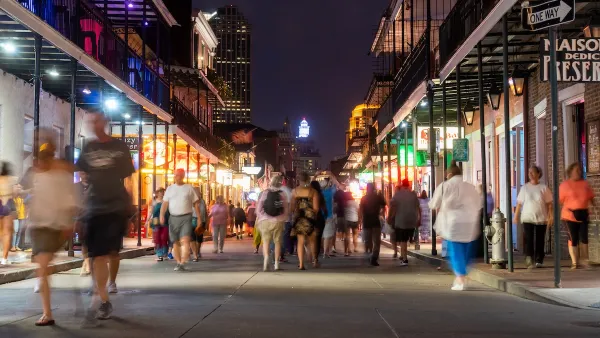
Bourbon Street Could Be a Model for Pedestrian Spaces
The conversation around pedestrianizing public streets isn’t new — think Times Square. Could one of America’s oldest streets lead the way in a revival of the pedestrian mall?
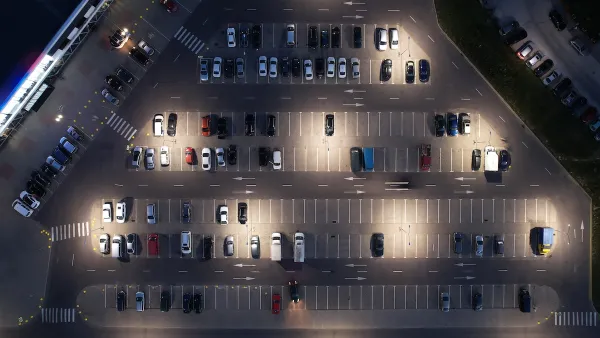
Safe Parking Programs Help People Access Housing
The safety and stability offered by Safe Parking sites have helped 40 percent of unhoused San Diego residents who accessed these programs get into permanent housing.

Study: Single-Staircase Buildings Pose No Additional Risks
Zoning codes have long prohibited single-stair residential buildings due to safety concerns, but changing that could lower the cost of construction and allow for more flexible housing designs.

Forest Service Rescinds Tree Planting Grants
The $75 million program fell victim to the federal government’s purge of ‘DEI’-related projects.
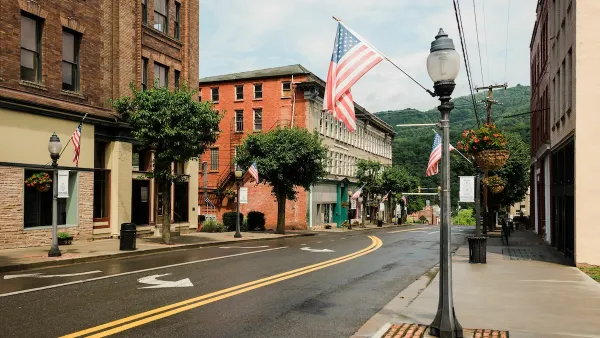
Commentary: How Remote Work Supports Rural Communities
Allowing federal employees to work from home can deepen government agencies’ understanding of communities’ needs and create economic opportunities for local residents.
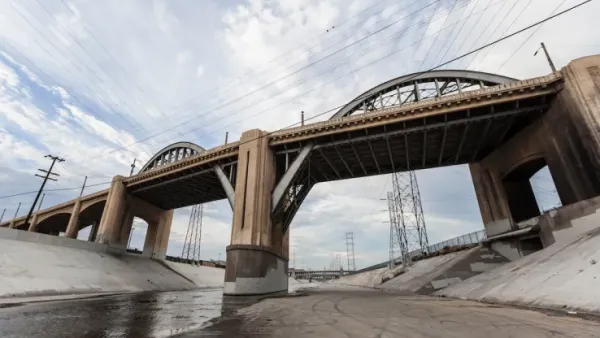
Don't Cement Our Future: Rethinking LA’s Landscape After Fire (and Floods)
A call for regenerative approaches to rebuilding that work with nature rather than against it.
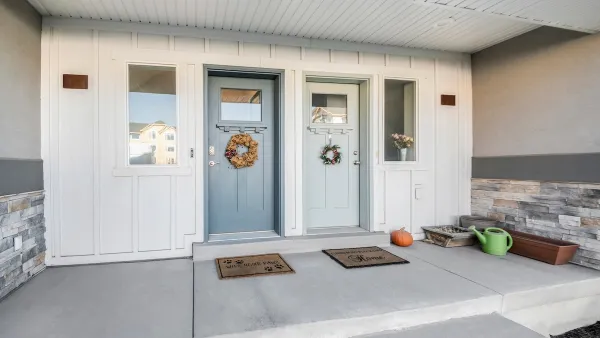
How Single-Family Conversions Benefit Both Homeowners and Cities
Converting single-family homes to triplexes can ease the housing crisis and offer affordable, flexible options for more households. Why is it largely illegal?
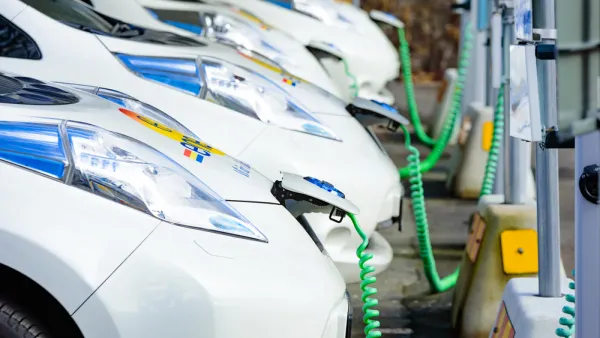
Report: Transportation Equity Requires More Than Electrification
Lower-income households often lack the resources to buy electric cars, signaling a need for a more holistic approach to improving mobility and lowering transportation costs.

FREE Course: Walkable City 1: Why Walkability?
After describing his path towards focusing on walkability as the essence of good planning, Jeff Speck marches through his five principal reasons for making more walkable places.
Reinventing Malls: Planning Alchemy—Turning Gray Fields Into Gold
The course focuses on the opportunities and imperatives that shape reinvention of mall sites.

One Hundred Miles
County of Mendocino
planning NEXT
The Architects Foundation
University of Cincinnati Online
Montrose County
Northern Illinois Transit Authority (NITA)
The Pocatello Development Authority









