United States
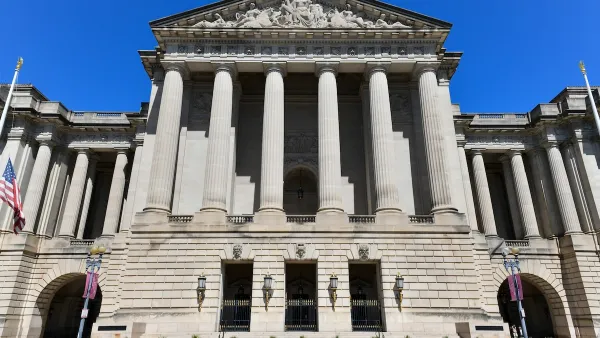
Advancing the National Asian Pacific American Museum
Supporters are mobilizing, fundraising, and facilitating the creation of a compelling Congressional report to secure authorization for a Smithsonian museum that represents and preserves the diverse histories and cultures of Asian Pacific Americans.
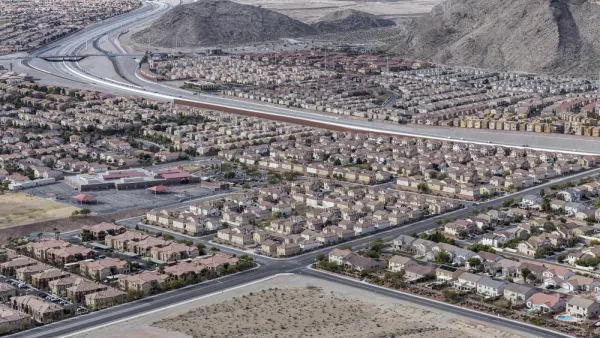
Research: Sprawl Linked to Poverty
Low-income families living in high-sprawl neighborhoods are limited in their access to education, jobs, and other amenities, often trapping them in a cycle of poverty.
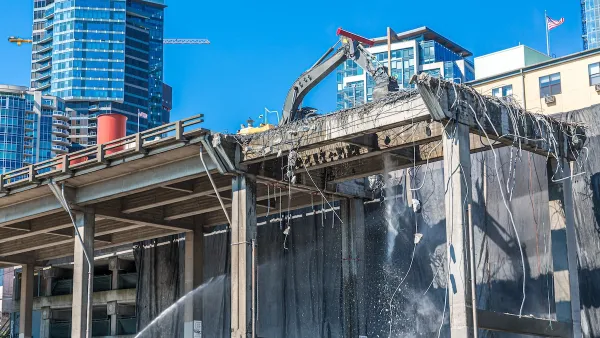
Highway Removal Slowed by Outdated Policy, Lack of Committed Funding
Resistance from state transportation departments and precarious funding sources mean highway removal projects are few and far between, despite their benefits.
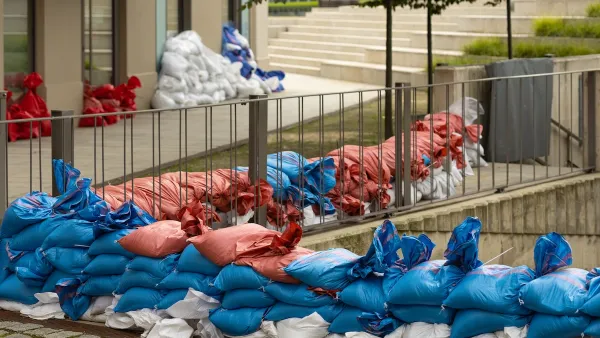
How US Communities Are Building Resilience Against Flooding
Flooding causes over $400 billion in damage in the United States every year.
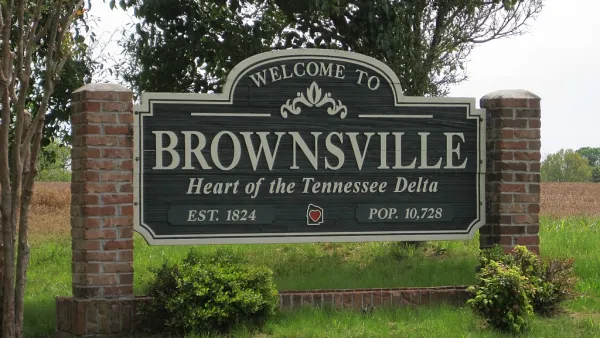
Appreciating Rural Cultural Resources
A focus on ‘placemaking’ too often obscures or exploits local culture and history.
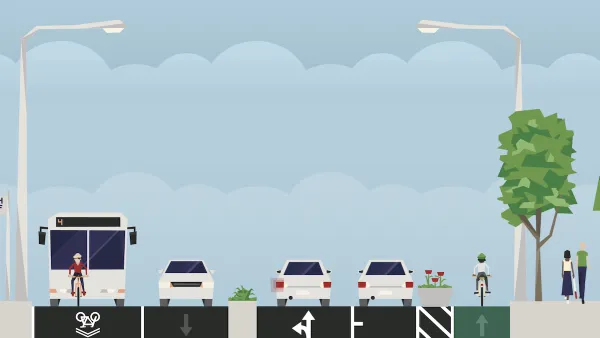
Reimagining Your Street
How to use free online tools to redesign your local streetscape.
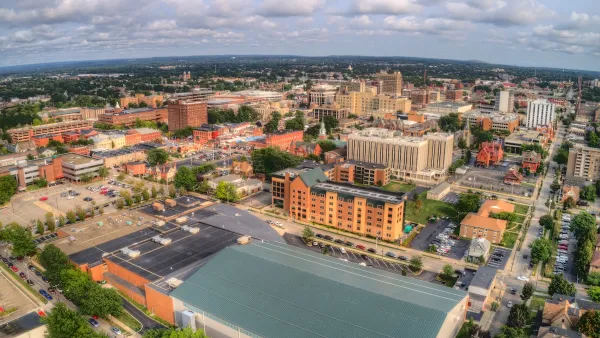
Opinion: Congress Should Expand the Opportunity Zone Program
The federal economic development program has brought over $100 billion in private investment to revitalize struggling communities.
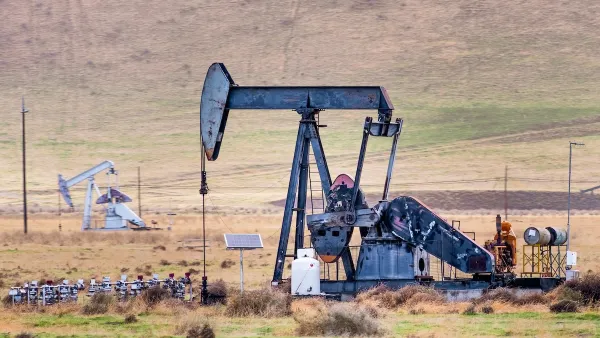
Certified Carbon Credits for Orphan Well Remediation
The Well Done Foundation has launched 778,000 certified carbon credits to fund the plugging of orphaned oil and gas wells, reducing methane emissions while offering businesses and individuals a way to offset their carbon footprints.
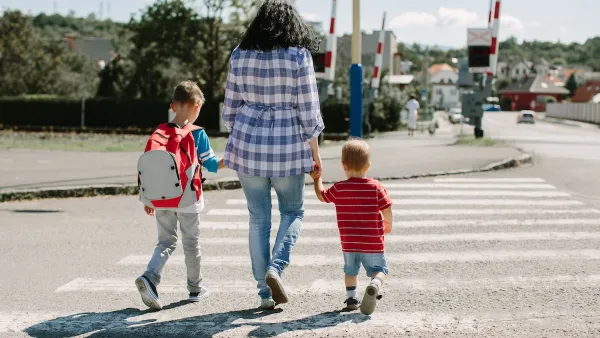
How Urban Design Can Benefit Parents and Kids
Designing thoughtful, child-friendly public spaces can ease the burdens of modern parenting and offer safe spaces for children to learn self-reliance and resilience.
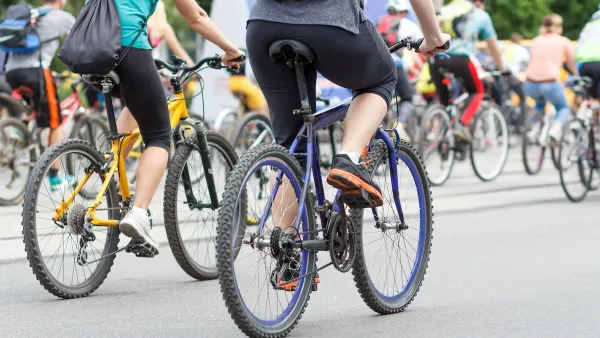
Bike Resolutions for the New Year
A list of ways people can enhance their biking experience, appreciate the joy of cycling, and support safer bike infrastructure.
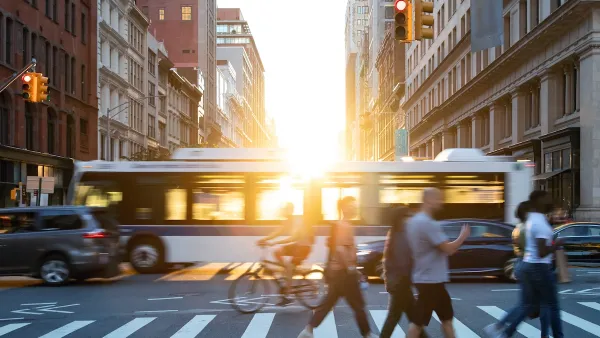
Save Lives on Our Roads Using the Safe System Approach
Prioritizing safety and committing to the SSA framework can make a big impact in the effort to reduce traffic fatalities.
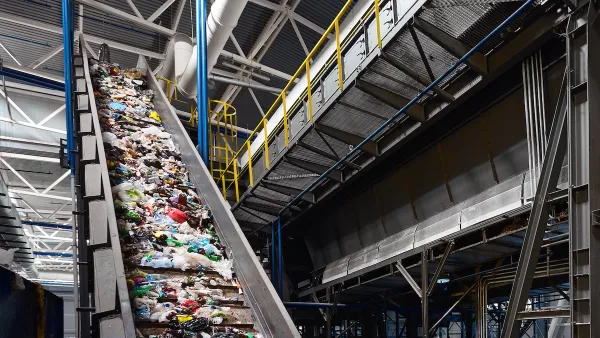
Recycling’s Real Impact: Challenges, Misconceptions, and the Path Forward
Recycling offers modest environmental benefits but faces significant challenges in effectiveness and scalability, requiring systemic changes like reducing plastic production and exploring alternative waste reduction strategies.
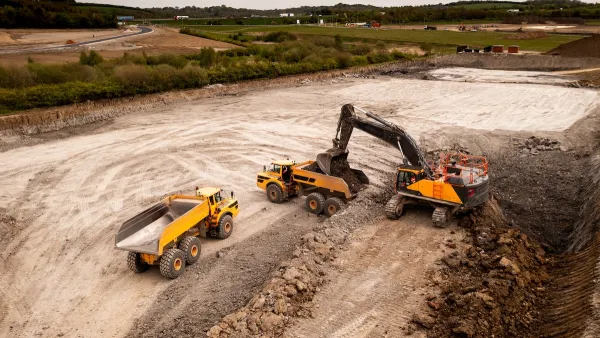
National Brownfields Training Conference: Driving Sustainable Redevelopment
The conference will bring together diverse stakeholders to share knowledge, strategies, and resources for the remediation and sustainable redevelopment of contaminated properties, fostering economic growth and environmental restoration.
Six Positive Innovations in Housing From 2024
The year saw some encouraging developments in housing and zoning policies that could alleviate the housing crisis and offer renters and homebuyers more diverse options.
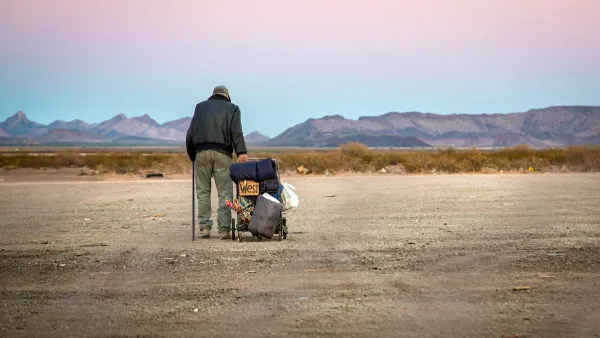
Homelessness Spiked by 18.1 Percent in 2024
Experts blame the alarming rise in the number of unhoused people on high housing costs and the end of pandemic-era protections.
Commentary: Residential Vacancies Don’t Outweigh Need for New Housing
The myth that there are plenty of vacant housing units in U.S. cities comes from misconceptions about leasing timelines and developer incentives.
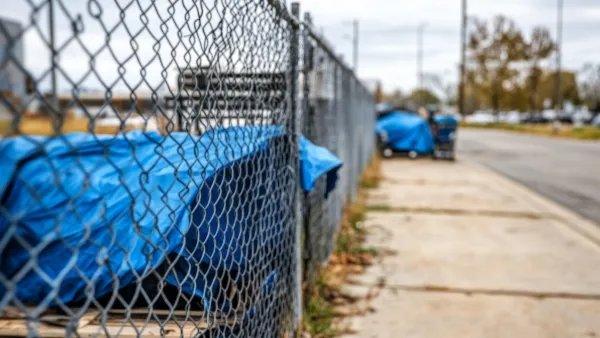
Camping Bans Proliferate After Supreme Court Ruling
A Supreme Court ruling in the case of Grants Pass v. Johnson has led over 100 cities to pass or step up enforcement of camping bans that criminalize unhoused residents.
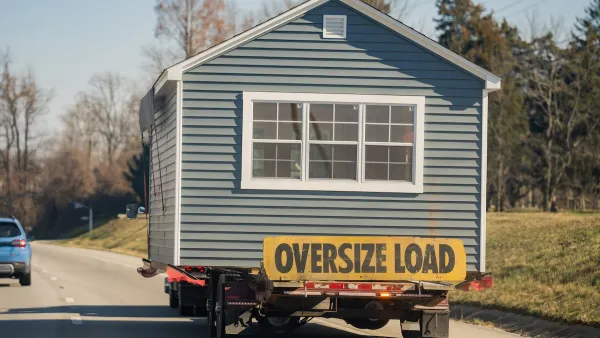
Mobile Home Prices Rising Sharply
Manufactured housing offers an affordable housing option for many Americans, but mobile homes — and land rents — are going up in cost.
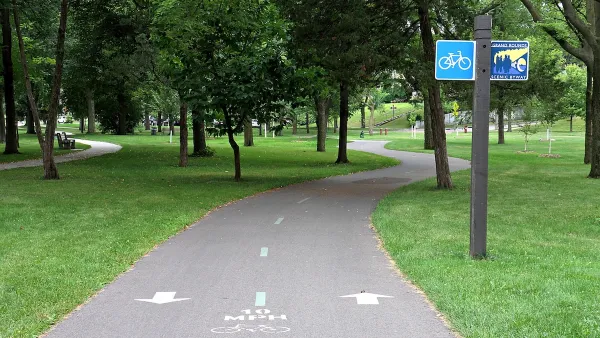
How to Make Greenways Better
Adding amenities such as public restrooms and shade trees can make greenways like Detroit’s Joe Louis Greenway more inviting and comfortable for their users.
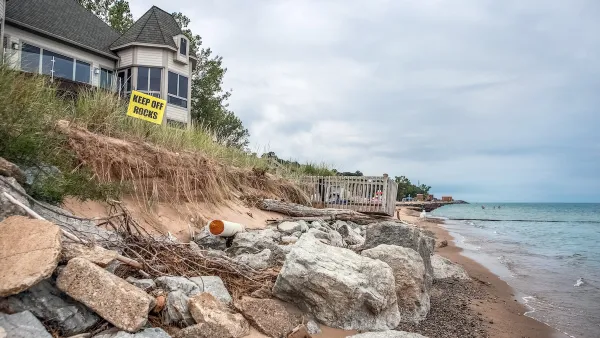
How US Cities Can Prepare for Climate Disasters
Resilience, encompassing infrastructure, governance, economic strength, and social cohesion, is critical for cities to mitigate rising climate risks like flooding, wildfires, and heat, ensuring long-term recovery and adaptability.

FREE Course: Walkable City 1: Why Walkability?
After describing his path towards focusing on walkability as the essence of good planning, Jeff Speck marches through his five principal reasons for making more walkable places.
Reinventing Malls: Planning Alchemy—Turning Gray Fields Into Gold
The course focuses on the opportunities and imperatives that shape reinvention of mall sites.

One Hundred Miles
County of Mendocino
planning NEXT
The Architects Foundation
University of Cincinnati Online
Montrose County
Northern Illinois Transit Authority (NITA)
The Pocatello Development Authority









