United States
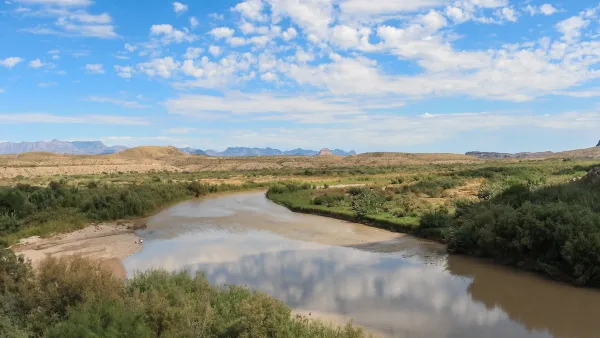
US and Mexico Sign Agreement to Deliver Remaining Water Obligations
The plan could bring much-needed water to farmers in South Texas.
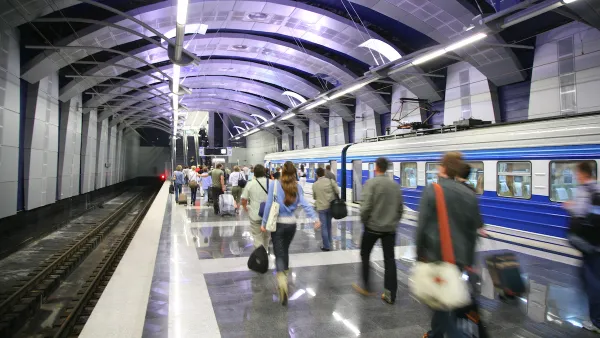
How Good Transit Benefits Communities Beyond its Users
Robust, efficient transit networks can have an outsized impact on vehicle miles traveled, even by non-transit users.
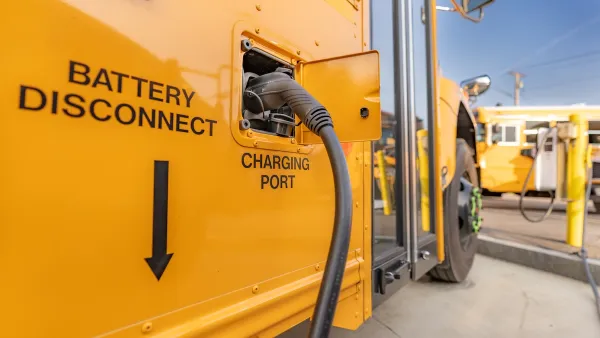
Opinion: Supporting Electric School Buses is the Right Thing to Do — and Fiscally Conservative
Why switching school bus fleets to electric vehicles is good for students, the environment, and school districts’ finances.
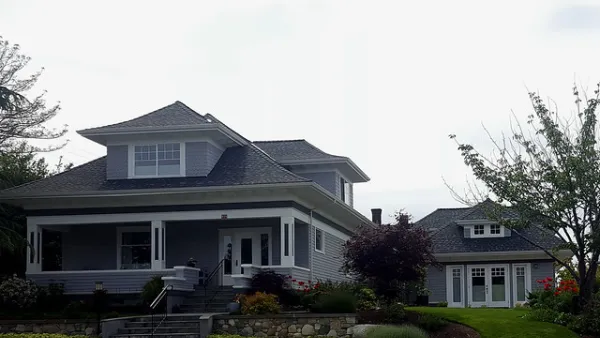
How Cities Can Support ADU Production
Although state-level laws are making it easier for homeowners to build accessory dwelling units, high impact and development fees remain a major barrier for many prospective ADU builders.
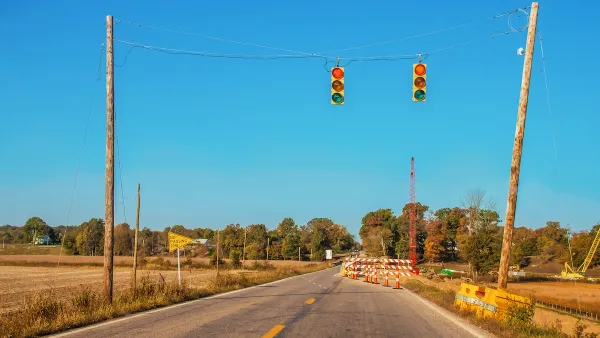
Report: Some Rural States Ahead of More Urbanized Ones in Reducing Transportation Emissions
This is a largely unintended consequence of states with lower populations and resources focusing on repairing existing roads and infrastructure rather than expanding and building new roads.

Opinion: Why Linking Driving to GDP Misses the Point
The argument that car-centric development is good because it boosts national GDP ignores the massive costs of driving to everyday Americans.
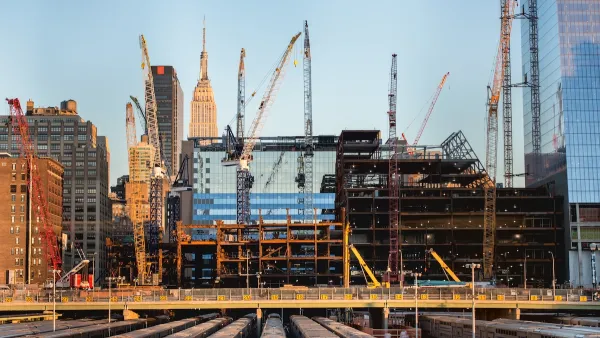
What Might Federal Housing Policy Look Like in 2025?
Changes to tax incentives, fair housing laws, and housing assistance programs would quickly start impacting local efforts to stem the housing crisis.
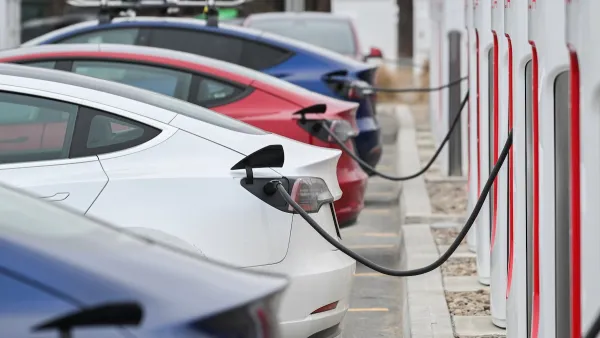
The Future of Electric Vehicles Under Trump
Will Elon Musk’s influence temper Trump’s anti-EV stance?
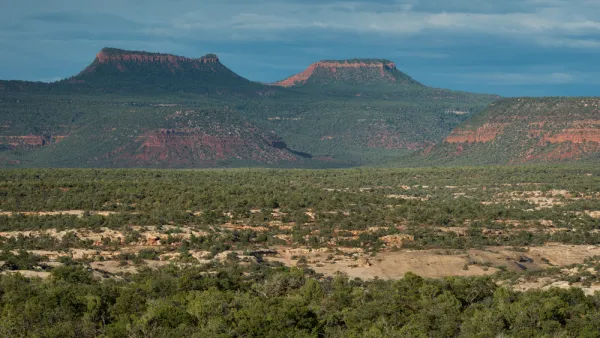
Future of Public Lands Looks Litigious Under Trump
Experts say monuments and “unappropriated” federal lands will likely be the target for expanded drilling, mining, and other development under a new Trump administration.
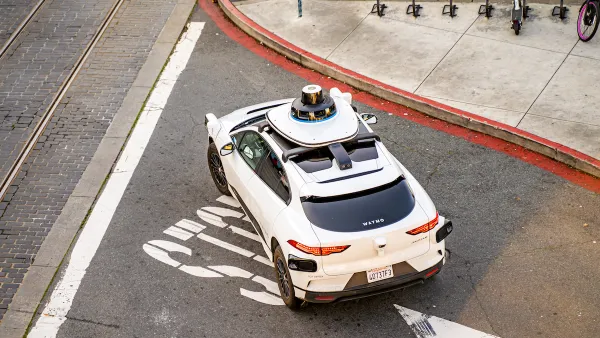
Robotaxis Wreak Havoc on Urban Transit
In cities across the United States, robotaxis, championed by companies like Waymo and Cruise, are a marvel of modern technology and a flashpoint for debate over their place in urban transit.
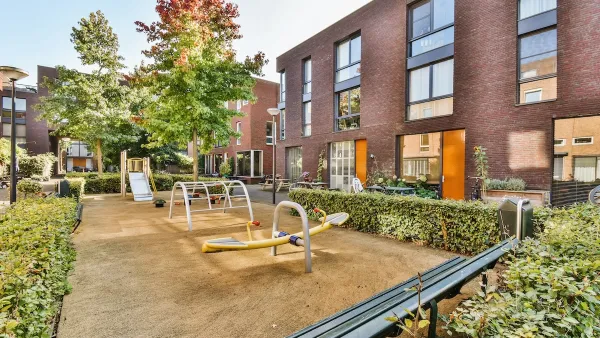
How Courtyard Apartments Make Cities More Family-Friendly
Apartment buildings with interior courtyards can offer safe, affordable, and functional spaces for urban households with children.
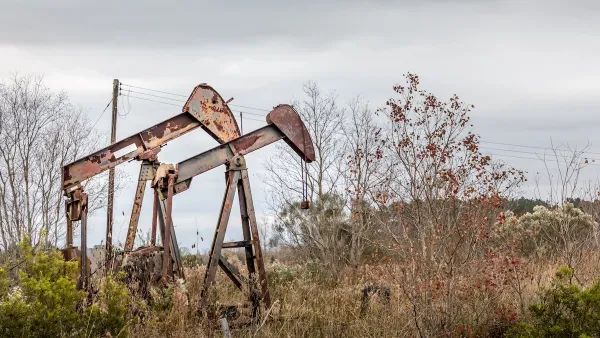
Addressing Orphan Wells for Environmental Justice
Remediating and repurposing some orphan oil and gas wells into parks can turn environmental hazards into community assets, promoting health, environmental justice, and accessible green space for underserved areas.
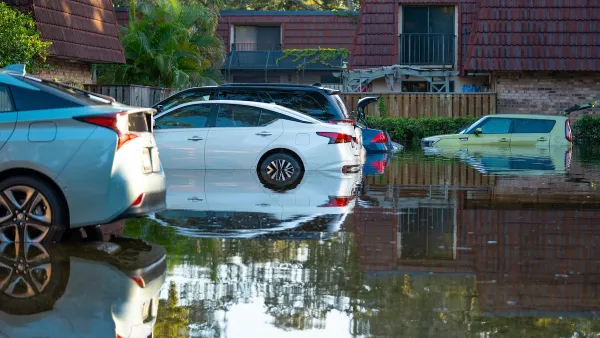
Auto Insurance Rates Spike Due to Extreme Weather
Car insurance costs around the country are going up as insurers receive more claims from areas struck by storms and other climate disasters.
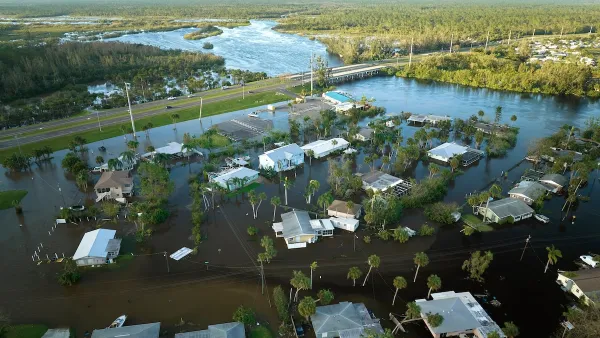
Research Shows White Communities Gain Affluence After Climate Disasters
People of color and lower-income residents tend to lose wealth despite the stated goals of federal assistance programs to restore communities impacted by disasters.
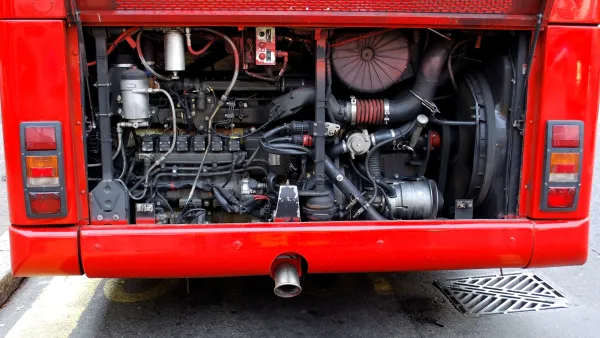
APTA Requests CDL Testing Change to Address Bus Operator Shortage
Eighty-four percent of U.S. transit agencies surveyed said CDL complexity was a hiring obstacle, with the “under-the-hood” requirement being the most challenging.
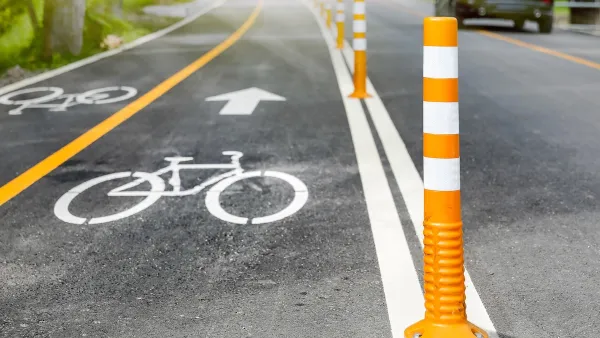
Study: Bike Lanes Improve Road Safety
Bike lanes delineated with bollards or traffic cones are most likely to slow drivers and reduce crashes between cars and bikes.
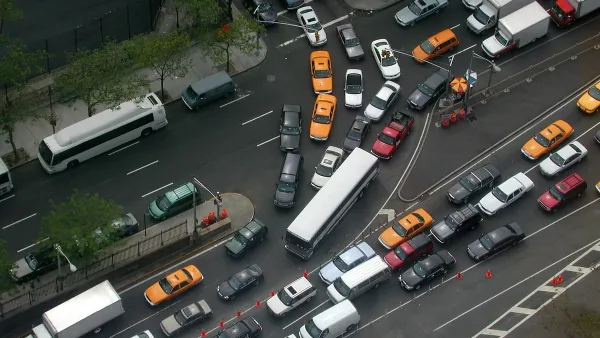
Report Highlights Economic Benefits of Reducing Car Dependence
Encouraging Americans to drive less — and supporting cities where it’s possible to do so — could save the country trillions more than just electrifying the transportation sector.
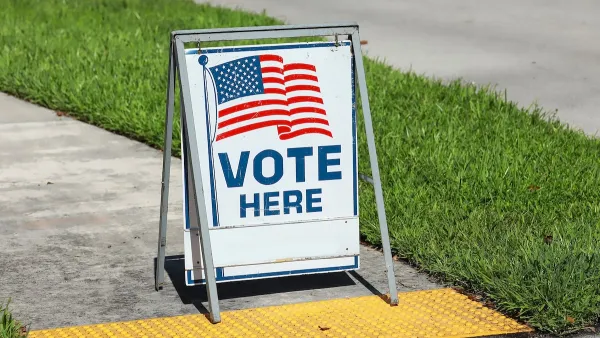
Public, Private Transportation Systems Offer Free Election Day Rides
From transit agencies to ride-hailing, bike share, and car rentals, transportation companies are encouraging people to vote by offering free and discounted rides to polling locations.
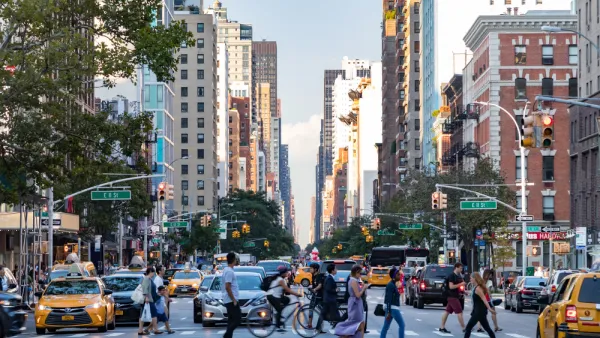
It’s Now Legal to Jaywalk in New York City
For the first time since 1958, pedestrians in New York City are free to cross the street without adhering to traffic signals or marked crosswalks.
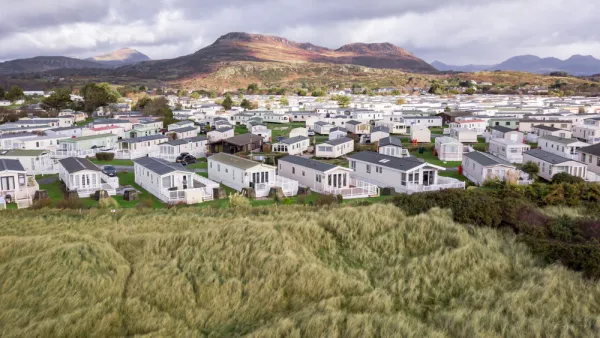
States Move to Protect Mobile Home Park Residents
Making it easier for mobile home park residents to collectively purchase the land they live on can protect their housing affordability for the long term.

FREE Course: Walkable City 1: Why Walkability?
After describing his path towards focusing on walkability as the essence of good planning, Jeff Speck marches through his five principal reasons for making more walkable places.
Reinventing Malls: Planning Alchemy—Turning Gray Fields Into Gold
The course focuses on the opportunities and imperatives that shape reinvention of mall sites.

One Hundred Miles
County of Mendocino
planning NEXT
The Architects Foundation
University of Cincinnati Online
Montrose County
Northern Illinois Transit Authority (NITA)
The Pocatello Development Authority









