Experts blame the alarming rise in the number of unhoused people on high housing costs and the end of pandemic-era protections.


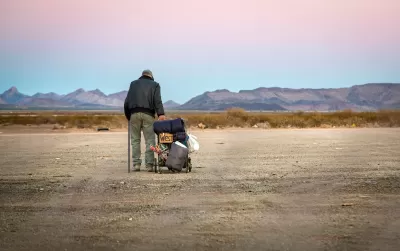
The number of unhoused Americans reached over 770,000 this year, a sharp increase from 2023, writes Jason DeParle in The New York Times. This is the largest annual increase since the national homeless count began in 2007.
According to DeParle, “Nearly every category of unhoused people grew, with the rise especially steep among children and people in families.” And while the government does not keep track of the migration status of unhoused people, some federal officials blame the rise on the surge of asylum-seeking migrants.
There is one bright spot: “Veterans were the lone group among whom homelessness declined last year, the report found. That continues a long-term trend driven by bipartisan support for services and housing that is at odds with the rancor of the broader homelessness debate.” The number of homeless veterans fell by 8 percent from 2023.
FULL STORY: Migrants and End of Covid Restrictions Fuel Jump in U.S. Homelessness

Local Governments Sue HUD Over Funding Cuts
A new lawsuit alleges that the Trump administration’s revised guidelines for housing and homelessness assistance funds will decimate key programs.

‘Minnesota Nice’ Isn’t so Nice When You Can’t Find a Place to Live
The Economic Development and Housing Challenge Program can help address the scourge of homelessness among Indigenous people.
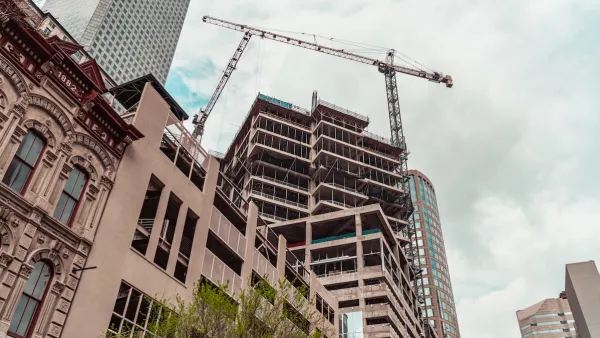
How Houston Can Be a Model for Housing Reform
The city builds more new housing than almost any other and has dramatically reduced homelessness, yet low-income families struggle to find affordable housing.

Planetizen Federal Action Tracker
A weekly monitor of how Trump’s orders and actions are impacting planners and planning in America.

The state-sanctioned urbicide of Austin
People don’t kill cities. Freeways do.

US to reduce Colorado River water deliveries to Mexico
A new Colorado Treaty amendment reduces Mexico’s Colorado River water allocation by 250,000 acre feet.

Airbnb launches $250 million 'last-dollar financing' housing accelerator, makes first investment in Austin
The company will put $6.4 million towards affordable housing development in Texas’ capital.

Guerilla urbanists are building DIY bus stop benches in Chicago
A before-and-after of one of the bus stops with a new bench. The new benches are not officially sanctioned or permitted, but the residents who placed them hope they will be the start of a network of DIY benches across the city.

Mamdani overhauls NYC's Vision Zero plan with 100 new policy goals
The overhaul aims to reduce traffic deaths and make streets safer for pedestrians, cyclists and drivers through lower speed limits, new safety infrastructure and more.

FREE Course: Walkable City 1: Why Walkability?
After describing his path towards focusing on walkability as the essence of good planning, Jeff Speck marches through his five principal reasons for making more walkable places.
Reinventing Malls: Planning Alchemy—Turning Gray Fields Into Gold
The course focuses on the opportunities and imperatives that shape reinvention of mall sites.

Eagle County Government
Harvard University Graduate School of Design
Nashville Planning Department
The Architects Foundation
University of Cincinnati Online
The Pocatello Development Authority
The Urban Renewal Agency of the City of Pocatello
Journal of the American Planning Association