Manufactured housing builders must balance affordability with the need to protect housing against extreme weather events.


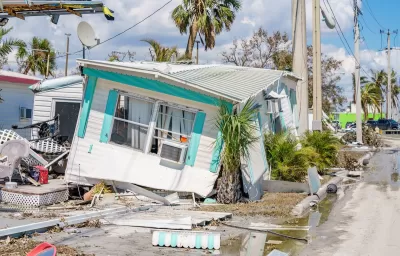
A valuable source of affordable housing in the United States is also one of the most vulnerable housing types to climate hazards. Over 5 million manufactured housing units are located in areas exposed to climate hazards, and are often in communities with limited resources for recovery.
According to a report from the Urban Institute, “By prioritizing climate safety, policymakers can improve housing security for the 18 million Americans living in manufactured housing today and unlock changes that will improve the resilience of future manufactured homes.”
The report highlights key policy changes that the federal government could make to reduce barriers to resilience-building, including “strengthening HUD standards to improve energy efficiency and climate resilience; supporting the repair and replacement of older homes; expanding access to financing and federal programs for residents to make home resilience upgrades and recover from disasters; addressing land-use and zoning barriers that limit the placement of manufactured housing in safe and accessible locations; and increasing data and research investments to address gaps in knowledge around manufactured housing and manufactured home communities.”
FULL STORY: Building a Climate-Resilient Manufactured Housing Stock

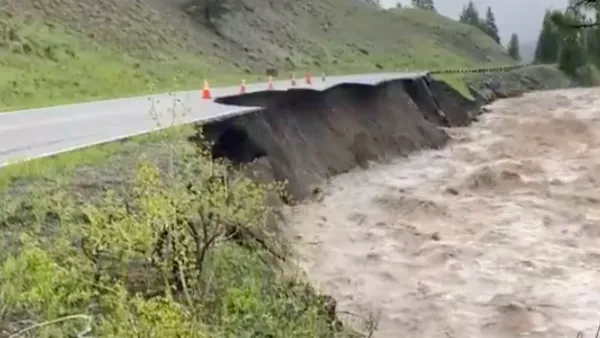
How the Yellowstone Floods Laid Bare a Housing Crisis
This year’s historic floods ravaged communities already roiled by spiking housing costs and a shortage of available workforce housing near the nation’s oldest national park.
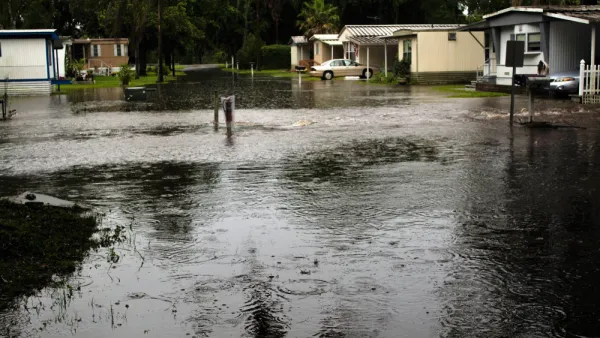
How Climate Change Threatens Manufactured Housing
A key supply of low-cost housing is under threat from extreme weather, rising sea levels, and other impacts of climate change.
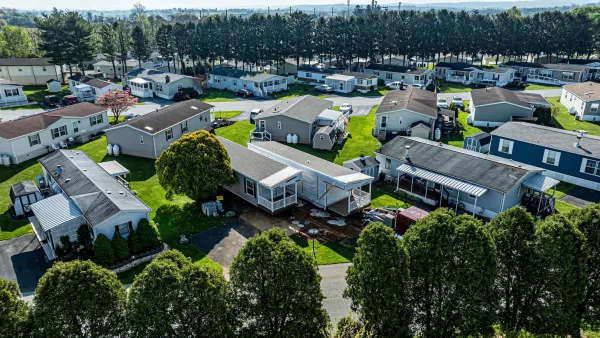
Should the public sector buy mobile home parks?
One writer argues that the crisis facing the nation's mobile home owners warrants public intervention.

Planetizen Federal Action Tracker
A weekly monitor of how Trump’s orders and actions are impacting planners and planning in America.

The state-sanctioned urbicide of Austin
People don’t kill cities. Freeways do.

US to reduce Colorado River water deliveries to Mexico
A new Colorado Treaty amendment reduces Mexico’s Colorado River water allocation by 250,000 acre feet.

Amtrak not solely to blame for New Jersey commuter rail's unreliability, report finds
A new study from the Garden State initiative found that NJ Transit’s budget grew 20% across a 4 year period, but reliability declined significantly over the same period.

EPA erases limits on planet-warming pollution from power plants
Under Monday’s plan, power plants would still have some limits on how much mercury, arsenic and other contaminants they can emit.

Phoenix announces new on-demand transit service, more frequent RAPID buses
Both new services will launch in October, and are part of Phoenix's Project Effective Access Solutions for Easing Congestion.

FREE Course: Walkable City 1: Why Walkability?
After describing his path towards focusing on walkability as the essence of good planning, Jeff Speck marches through his five principal reasons for making more walkable places.
Reinventing Malls: Planning Alchemy—Turning Gray Fields Into Gold
The course focuses on the opportunities and imperatives that shape reinvention of mall sites.

Eagle County Government
Harvard University Graduate School of Design
Nashville Planning Department
The Architects Foundation
University of Cincinnati Online
The Pocatello Development Authority
The Urban Renewal Agency of the City of Pocatello
Journal of the American Planning Association