United States

Returning to a Wilder World
The pandemic induced an accidental 'rewilding' in many places as animals took over cities and streets devoid of humans. As we emerge from our isolation, can we co-exist peacefully?
Tight For-Sale Market Leads to Record Price Spikes in the Rental Market
A supply-demand imbalance in the for-sale housing market will eventually spill into the rental market.
How to End the Commute Nightmare
The pandemic let many people experience a commute-free lifestyle, but can we reduce rush-hour traffic as we make our return to physical workplaces?
California Judge Renders Gig Worker Law Unenforceable
A judge ruled against California's Proposition 22, which let ride-hailing and delivery businesses classify workers as independent contractors and discouraged unionization efforts.
'Grandfamily' Housing Fills a Need in the Housing Market
Grandfamily housing, as described by a recent article in The New York Times, is a kind of intergenerational housing model that caters to older Americans raising children.
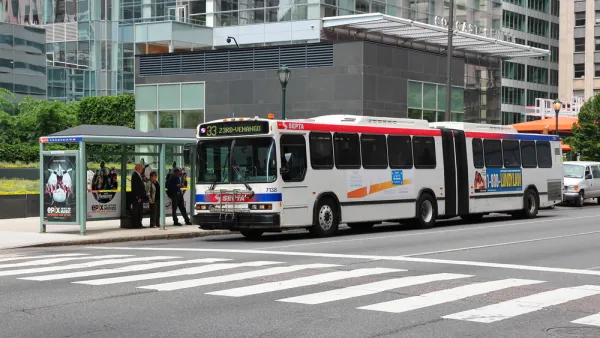
Calculating Bus Stop Spacing for 43 U.S. Cities
New research documents the distance between bus stops in U.S. cities—a key question for service designers that determines a lot about the public transit user experience.
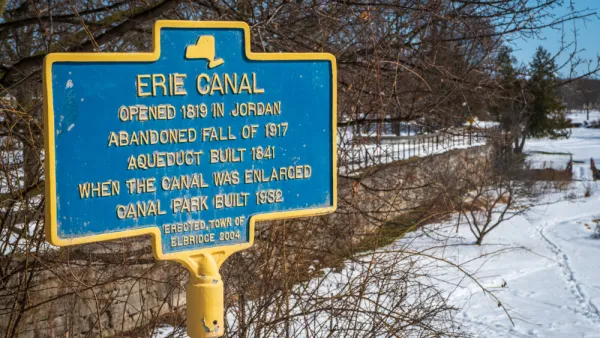
When Infrastructure Investments Go Wrong
The United States has a near perfect track record of building the infrastructure it thinks it needs. But the country and its various state and local governments, don't always get the vision right.
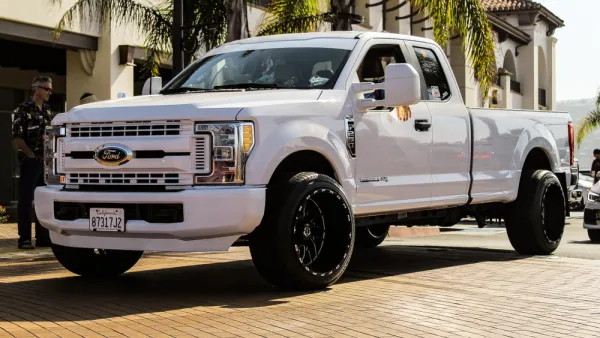
Vote for 'America's Most Toxic Car Commercial'
From the same website that brought us the "Parking Crater Award" and the "Sorriest Bus Stops in America."

What Makes Placemaking Work
New qualitative research into three example public spaces in the United States offers best practices and obstacles to avoid in the placemaking process.
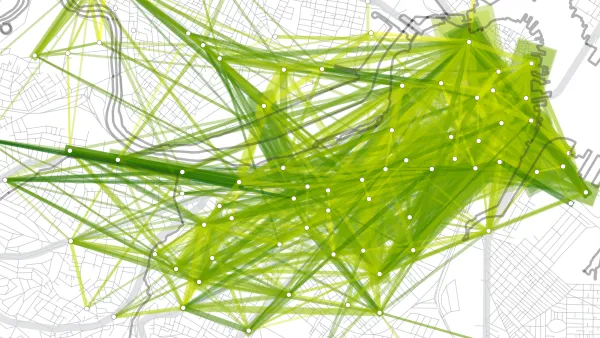
How Data and Tech Can Support Transit Planning
Agencies can use data resources to improve their decision-making and provide more responsive service.
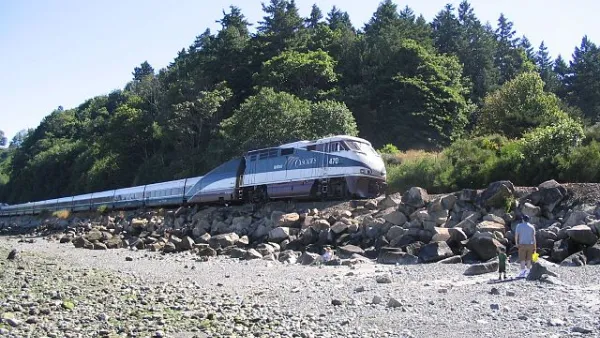
Revised Amtrak Mandate Could Allow for 'Paradigm-Shifting' Changes
Language in the new infrastructure bill calls for the agency to prioritize ridership and service levels over profitability.
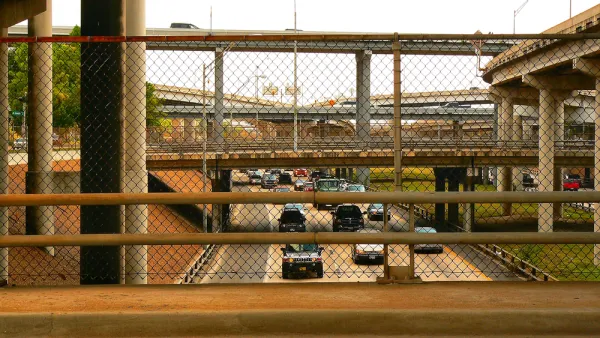
Op-Ed: Instead of a New VMT Tax, Raise the Gas Tax
Implementing a tax based on miles traveled could disincentivize purchasing more efficient cars and would do little to improve road safety, one columnist argues.
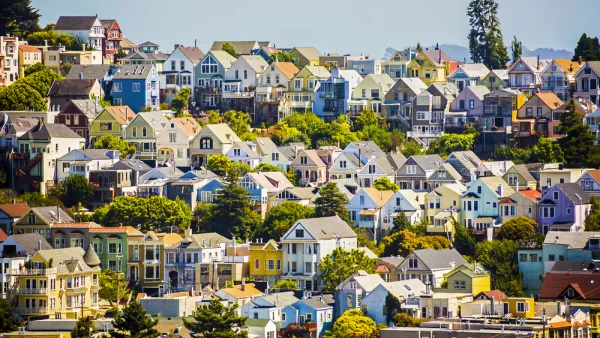
White-Hot Real Estate Market Starting to Cool
The housing frenzy brought on by the pandemic is easing up, with slower growth of median home prices and fewer offers.
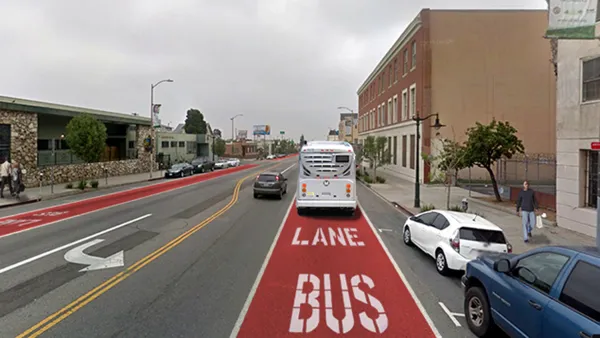
To Regain Transit Ridership, Policymakers Must Address Land Use and Housing
More buses and trains alone won't bring back riders; other incentives are needed to boost ridership and encourage new users.
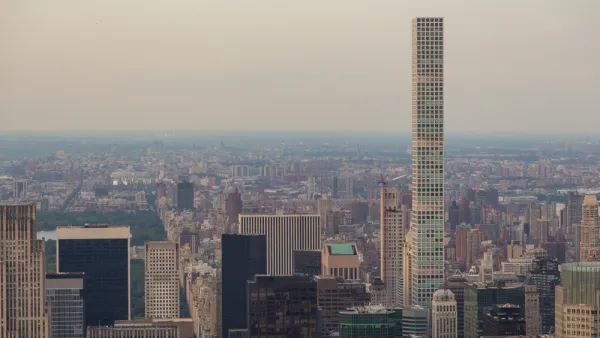
Report: Skyscrapers a Driving Factor of the Urban Heat Island Effect
As cities build upwards in an effort to create more housing and increase walkability, research shows that tall buildings intensify heat and contribute to increased carbon emissions.
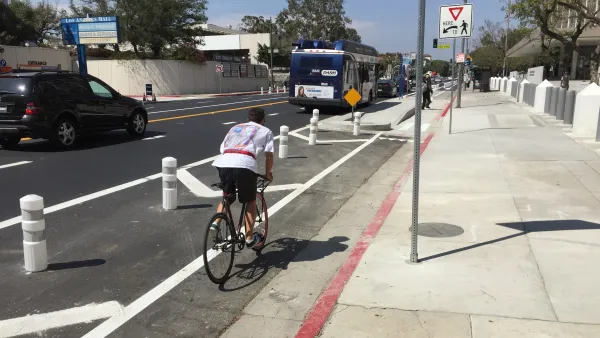
Study: Bike Lanes Don't Cause Displacement
A longitudinal study shows that bike facilities don't precede neighborhood change or displacement of residents.
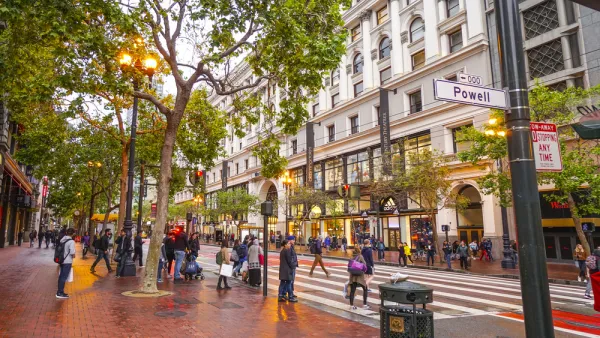
Ranking the Top 15-Minute Cities of the United States
The rankings in a recent report are about the potential of U.S. cities to become more like the 15-minute city model provided by Paris.
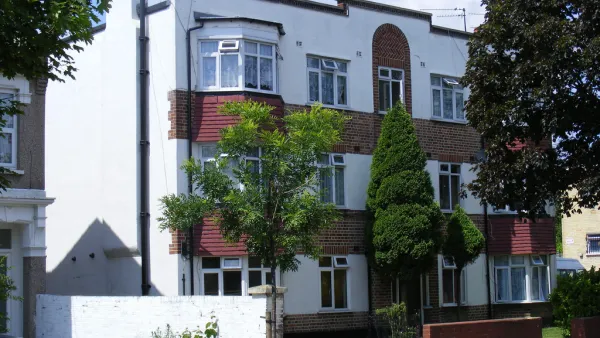
Rental Assistance Still Not Reaching Tenants in Need
Federal funds meant to help renters during the pandemic are still stuck in bureaucratic limbo as the end of the latest eviction moratorium looms in early October.
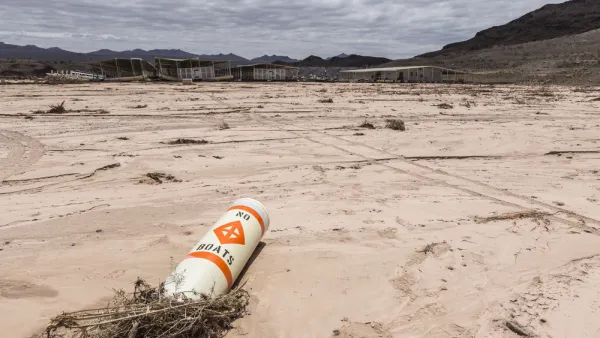
Federal Government Declares Water Shortage as Lake Mead Reaches Critical Low
The first-of-its-kind declaration triggers major water cutbacks for Arizona farmers and reduced allocations for Nevada and Mexico.
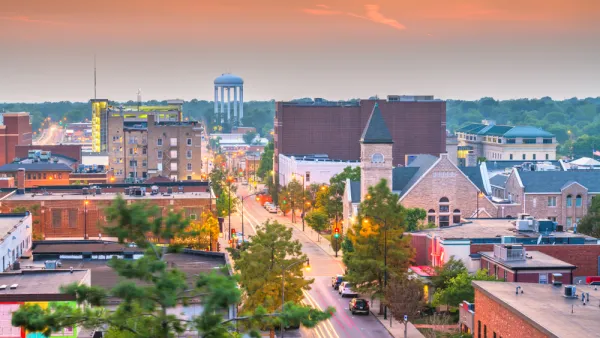
Small-Scale Manufacturing Can Maximize the Potential of America's Small Cities
Artisans and small-scale manufacturers offer tremendous economic opportunities for cities prepared to harness that creative and entrepreneurial energy.

FREE Course: Walkable City 1: Why Walkability?
After describing his path towards focusing on walkability as the essence of good planning, Jeff Speck marches through his five principal reasons for making more walkable places.
Reinventing Malls: Planning Alchemy—Turning Gray Fields Into Gold
The course focuses on the opportunities and imperatives that shape reinvention of mall sites.

One Hundred Miles
County of Mendocino
planning NEXT
The Architects Foundation
University of Cincinnati Online
Montrose County
Northern Illinois Transit Authority (NITA)
The Pocatello Development Authority









