United States
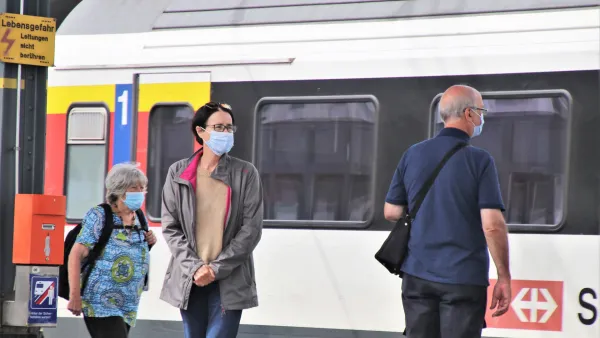
Delta Variant's High Transmissibility Prompts CDC to Issue Masking Correction
The Centers for Disease Control and Prevention, acting on new data that it had yet to publish, changed its masking guidance on July 27 to reflect the prevalence of the virus in specific counties rather than basing it on a person's vaccination status.
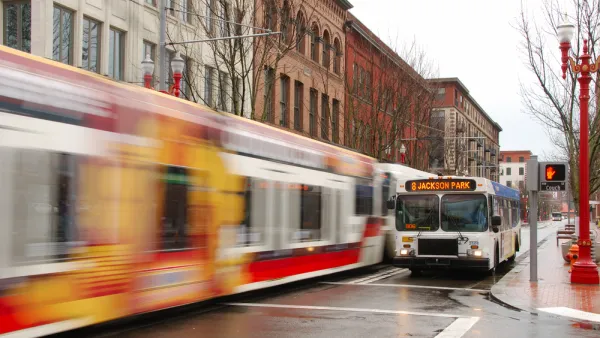
Fighting Climate Change Requires Serious Transportation Reform
The federal government can encourage public transit use and electrification through reforms in transportation systems and land use policies.
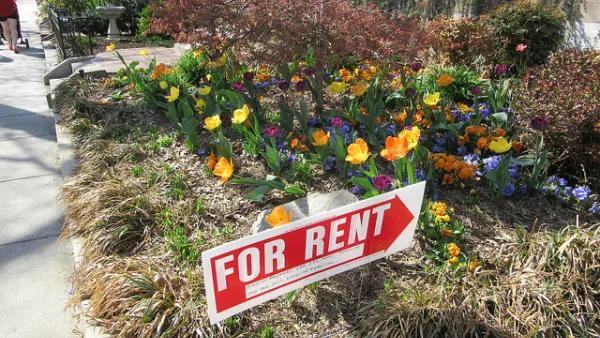
High Housing Costs Could Keep Inflation Rising
After last year's precipitous drops, rents are rising again in cities around the country, which could signal sustained inflation.
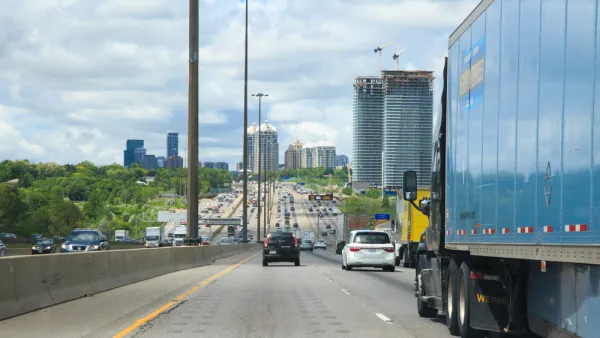
Does Highway Removal Make Cities Healthier?
Highway removal can improve the air quality and health of the immediate environment, but displacement and gentrification threaten to exclude former residents from the benefits.
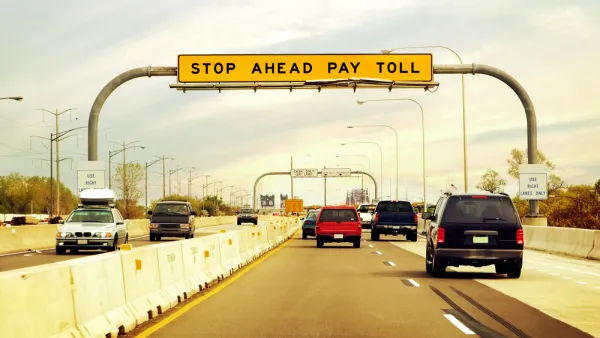
Video: Why U.S. Road Tolling Is So Complicated
States increasingly count on toll roads to supplement gas tax revenue, but why does the U.S. still lack national interoperability?

Major Flaws in the U.S. Car Crash Reporting System
The lack of a nationwide standard and extensive officer discretion lead to inconsistent data when it comes to traffic crashes and fatalities.
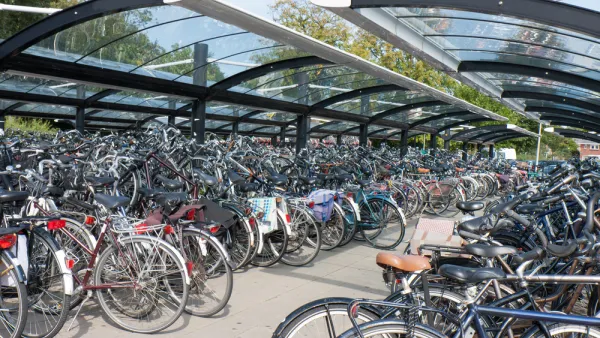
Busting Myths About Car-Light Cities
According to one Canadian couple living in Holland, walkable cities and good bike infrastructure aren't just a Dutch anomaly.

The Complexities of the '15-Minute City'
What does a '15-minute city' truly mean–and how achievable is it in the U.S.?
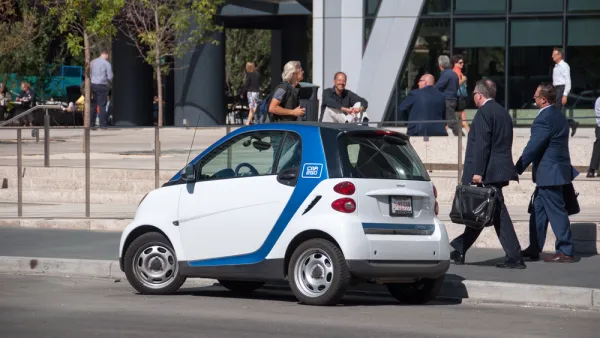
Opinion: Boost Public Car Share to Reduce Private Vehicle Ownership
Research shows that consistent access to shared cars drastically reduces car ownership rates, but U.S. regulations often impede success for private fleets.

Breaking News: 'Vision Zero' Resolution Introduced in Congress
The resolution acknowledges the epidemic of traffic fatalities and calls on DOT to focus on traffic safety with the goal of reducing roadway deaths to zero by 2050.
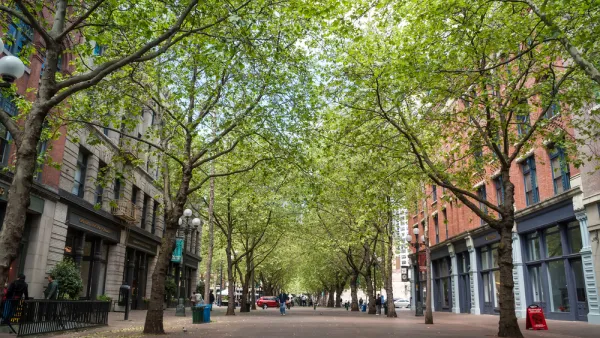
Tree Equity Score: The U.S. Needs 522 Million More Urban Trees
As climate change intensifies the urban heat island effect, poorer neighborhoods bear the brunt of tree canopy inequity.
Living (and Dying) with COVID: How Many Deaths are Acceptable?
Political analyst Philip Bump asks the "unstated, unpleasant question" that the U.S. has struggled with since the inception of the pandemic, more relevant now with the widespread availability of vaccines that are effective at preventing most deaths.

Community Land Trusts: Combining Scale and Community Control
Pitting the straw men of scale and community control against one another does the field more harm than good.

Defining the 'Community' in Community Land Trusts
As community land trusts take root and expand, they face numerous questions on how to stay communally-focused while their geographic scope grows.
Millions of Tenants at Risk of Eviction, Billions in Rental Assistance Undelivered
What happens if the federal rental assistance money available to renters doesn’t make it to them before the moratorium expires? And how did the 2020 eviction predictions pan out?
U.S. Cities With the Most Luxury Housing for Sale
From big cities to small towns, the share of homes with selling prices above $1 million is rising quickly.
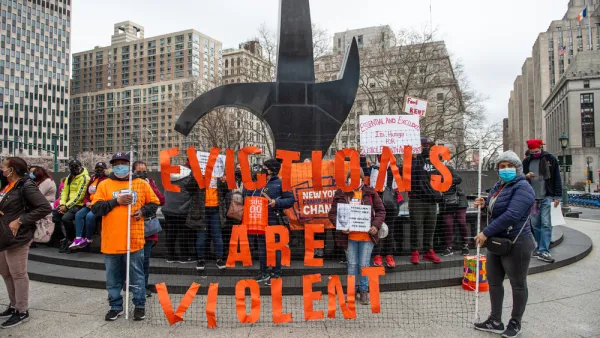
New Fair Housing Rule Should Address Evictions
HUD's new fair housing rule crucially overlooks the role of evictions in perpetuating residential segregation.

Coronavirus Litigation: CDC Loses Ability to Regulate Cruise Industry in Win for Florida Governor
In a stunning reversal, a federal appeals court panel on July 23 reversed its ruling issued six days earlier in favor of the Centers for Disease Control and Prevention after Gov. Ron DeSantis appealed the ruling to the Supreme Court.

Mapping the Vast Differences Between Wages and Rental Costs
Comparing rental housing costs to wages reveals just how out of reach the housing market is for low-income earners.

Who's at Fault When Self-Driving Cars Kill People?
As more autonomous vehicles hit the road and inevitably cause crashes, courts will have to contend with a complex web of responsibility when ruling on wrongful death cases.

FREE Course: Walkable City 1: Why Walkability?
After describing his path towards focusing on walkability as the essence of good planning, Jeff Speck marches through his five principal reasons for making more walkable places.
Reinventing Malls: Planning Alchemy—Turning Gray Fields Into Gold
The course focuses on the opportunities and imperatives that shape reinvention of mall sites.

One Hundred Miles
County of Mendocino
planning NEXT
The Architects Foundation
University of Cincinnati Online
Montrose County
Northern Illinois Transit Authority (NITA)
The Pocatello Development Authority









