United States
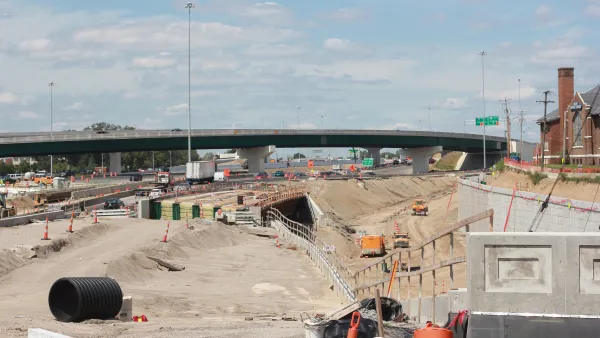
More Details from the Massive Infrastructure Bill and its Amendments
The bill's more than 400 amendments include a VMT pilot, a Texas megahighway, and funding for accessibility at transit stations.
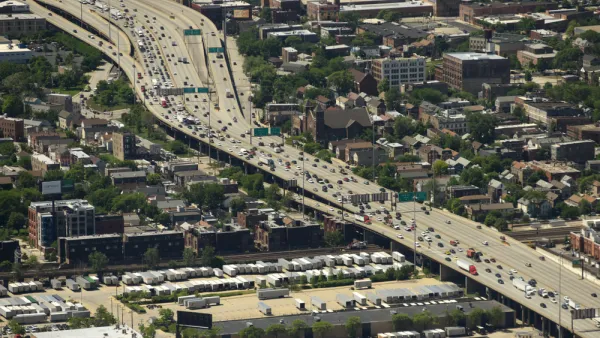
Why Infrastructure Spending Should Center Equity
To begin to reverse decades of discrimination and disinvestment, future infrastructure spending must put equity at the forefront.
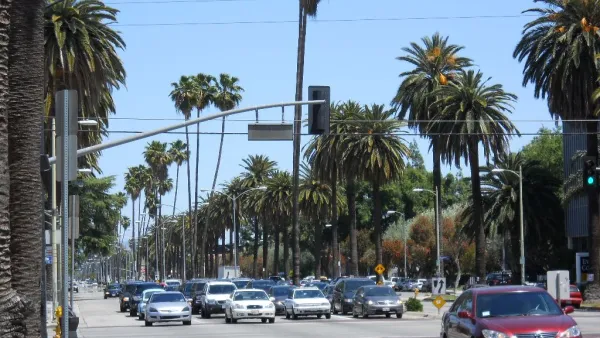
Road Design Still Privileges Cars
Author Jeff Speck discusses the progress made since he first wrote Walkable City–and how far we still have to go to build streets that are safe for all.
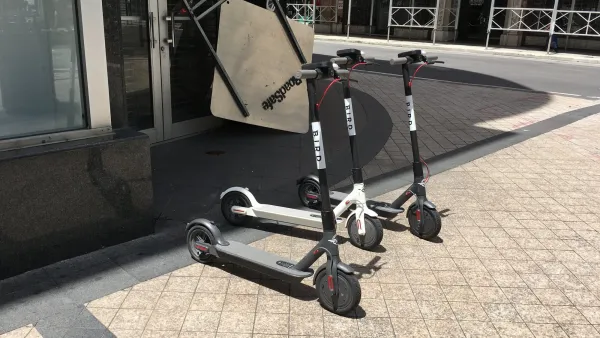
Bird Scooters Now Automatically Slow in High-Activity Areas
Years after cities first started trying to regulate electric scooters with geofences and designated parking areas, Bird will begin automatically lowering scooter speeds in pedestrian-dense areas like school zones and hospitals.

Study: Recreational Trails Program Underfunded by Over $200 Million
FHA research shows that multi-use trail users contribute three times as much in gas taxes as the program to build and maintain them receives.

How Cities Can Manage Drought Risk and Conserve Water
As climate change and population growth strain fresh water resources, tactics from around the world provide universal lessons for building water-smart cities.
How Downtown Public Space Investments Impact Equity
Efforts to revitalize declining downtowns have, in some cases, become catalysts for supporting small, minority-owned, local businesses.
Changes for Amtrak in the New Infrastructure Bill
While the agency is receiving less funding than advocates say is needed, it will also have a new mandate that prioritizes public service over profitability.

The Problem with Tree Planting Programs
Ambitious campaigns to plant trees in urban areas often don't take into account the complexities of growing and maintaining effective urban forests.
Mapping Informal Neighborhoods
New mapping tools are helping cities around the world map and understand their poorest communities.
How Extreme Heat Threatens the Electrical Grid
Higher demand for electricity and lower capacity for production due to more intense heat waves are straining the power grid and causing concern for future energy production.
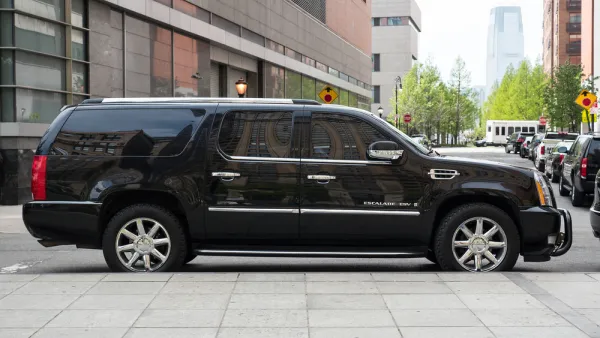
Study: More SUVs Lead to More Pedestrian Deaths
Larger vehicles are proving deadlier for pedestrians–and are more popular than ever.
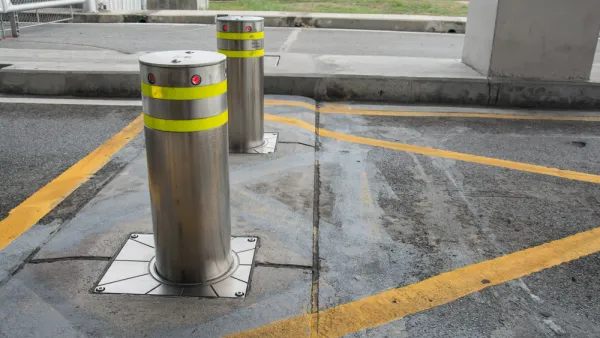
To Protect Pedestrians, Install More Bollards
Roadway designs protect drivers and construction workers with robust barriers. Why don't we protect pedestrians in the same way?
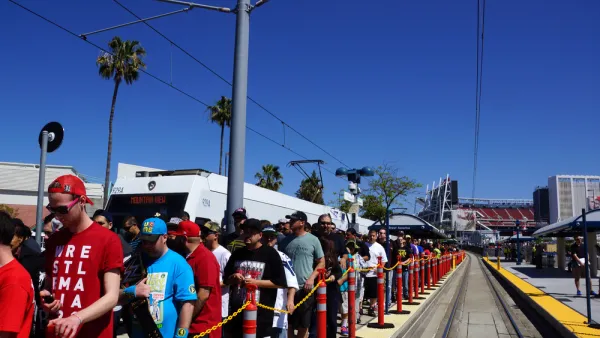
Guaranteed Transit Funding Lacking in New Infrastructure Bill
Lauded by the administration as a historic amount, the transit funding promised in the revised bill lags far behind projected needs.
It's Time For A National VMT Fee Policy
Op-ed: Charging road users by how much they drive, not how much gas they buy, is the only sustainable way forward for infrastructure funding.
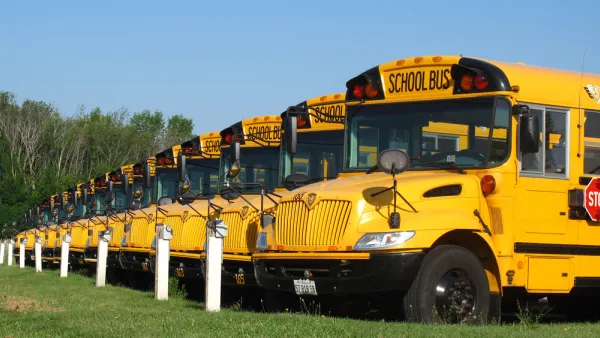
Congress Shortchanges School Bus Electrification in Infrastructure Bill
Greening school buses, which represent the bulk of America's mass transit, would reduce children's exposure to harmful diesel emissions and remove millions of tons of greenhouse gas emissions from our roads.
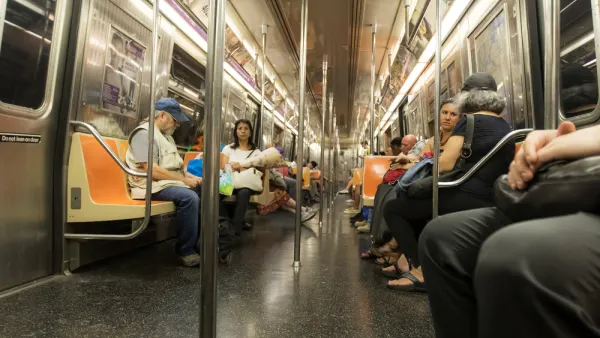
Report: Americans are Returning to Public Transit
According to the Federal Transit Administration, transit ridership is up dramatically from 2020 levels.
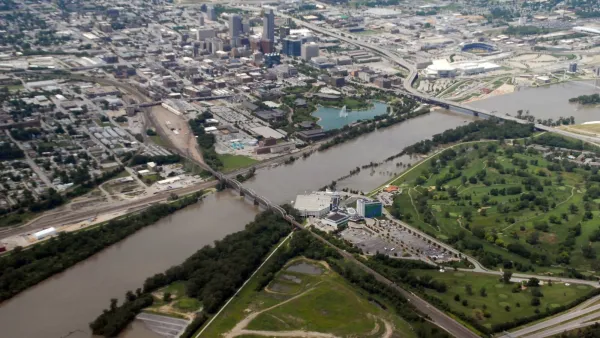
Omaha's Transit Agency Plans to Expand, Enhance Service
The plan calls for more frequent service, expanded bus lines, and connectivity between different modes of transit.
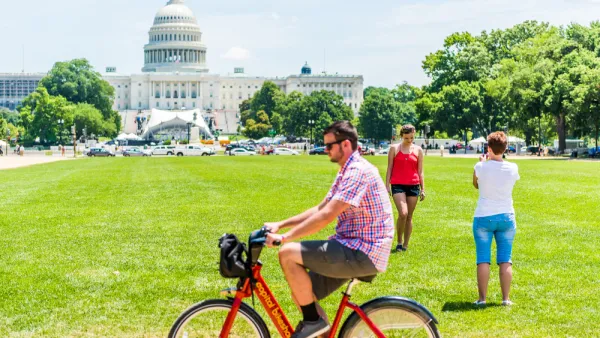
The Public Health Benefits of Bike Share, Quantified
New research shows that bike share use has a positive impact on public health, even in less bikeable cities.
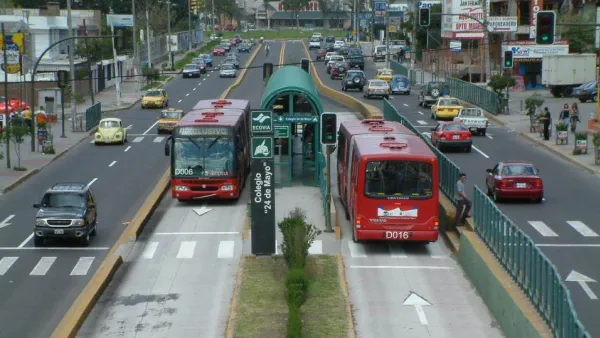
Bus Rapid Transit Gaining in Popularity
As cities look to rebuild their transit systems, bus rapid transit provides a cheap and effective way to expand access and boost speed.

FREE Course: Walkable City 1: Why Walkability?
After describing his path towards focusing on walkability as the essence of good planning, Jeff Speck marches through his five principal reasons for making more walkable places.
Reinventing Malls: Planning Alchemy—Turning Gray Fields Into Gold
The course focuses on the opportunities and imperatives that shape reinvention of mall sites.

One Hundred Miles
County of Mendocino
planning NEXT
The Architects Foundation
University of Cincinnati Online
Montrose County
Northern Illinois Transit Authority (NITA)
The Pocatello Development Authority









