United States
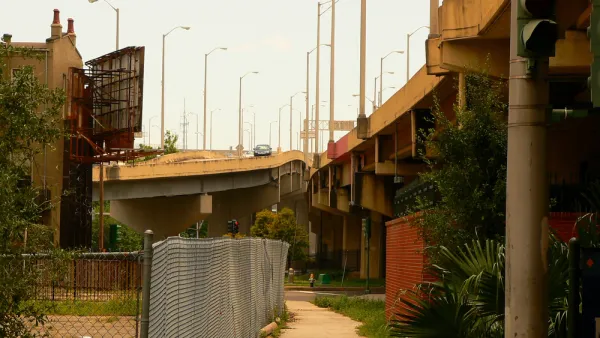
Outdated State and Federal Road Design Rules Hinder Freeway Removal
Although some cities are in favor of removing or reducing urban freeways in favor of more walkable spaces, guidelines like the 11-year-old MUTCD still encourage a 'throughput at all costs' mentality.

Don't Call it a Comeback: Big Cities Are Outlasting Predictions of Demise
As the new world order of working from home and vaccine hesitancy settles in, it's time to reevaluate assumptions from early in the pandemic about the effect of the public health on the economic health of large cities.
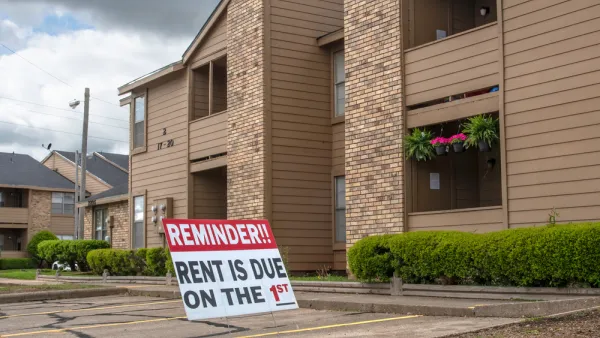
More Insight Into the Effects of the Pandemic for Rental Property Landlords
A pair of recent surveys attempt to shed light on the changing business and property management practices of landlords during the pandemic.
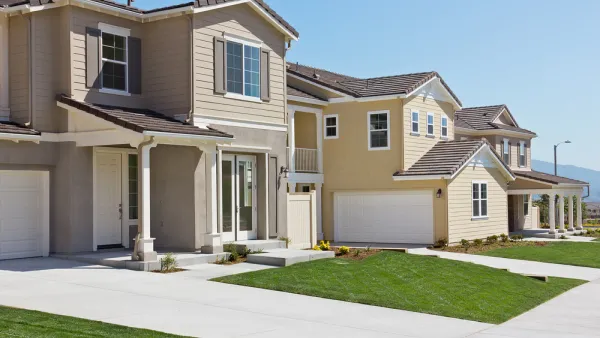
U.S. Housing Prices Continue Record-Breaking Pace
July marked four straight months of record-breaking increases for housing prices nationwide, according to the latest housing market data.
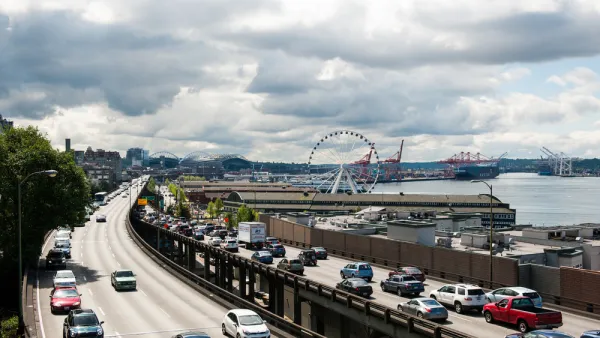
A State-by-State Wish List for Federal Infrastructure Funding
States have a laundry list of major projects they'd like to see funded if the trillion-dollar infrastructure package passes.
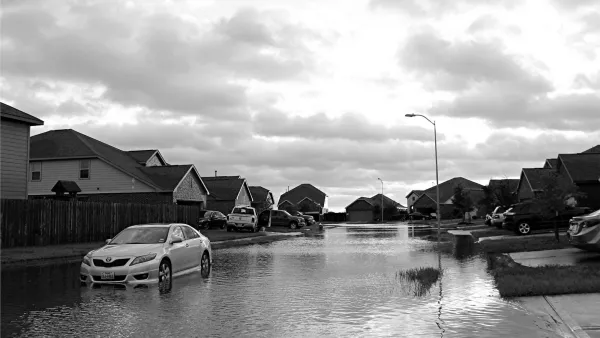
NPR: HUD Sells Flood-Prone Homes Without Disclosing Risks
The troubling trend is particularly pronounced in lower-income communities, where experts worry households are being inadvertently set up for big financial losses.
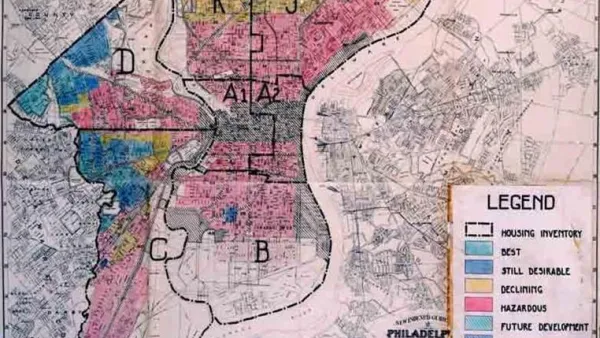
New Research Reexamines HOLC's Role in Redlining
New Deal agencies did engage in discriminatory lending practices–but not quite in the way we think.
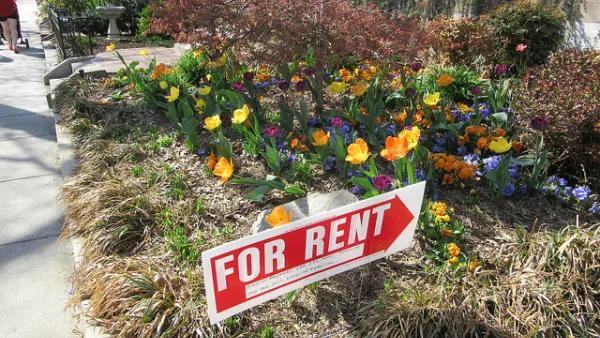
The 2010s: The Decade of the Suburban Rental
Census data reveal a growing number of suburbs are home to a majority of renters. The data challenges the "very definition of suburban living," according to this article.

Census Delays Release of 2020 American Community Survey Data
Due to the challenges faced by data collectors during the pandemic, the Census Bureau will not be releasing 2020 ACS data in September as usual.

Alaska Activates Crisis Standards of Care
Daily new COVID cases per capita in Alaska are the nation's highest. The crisis standards enable overwhelmed hospitals to ration care. Gov. Mike Dunleavy recognized the crisis yet saw no need to take steps to reduce coronavirus transmission.

How the AI Economy is Shaping Cities
Like other technologies, artificial intelligence tech seems to be clustering in a small group of cities, prompting questions about its uneven deployment.

Opinion: Car-Centric Cities Hurt Kids
Designing neighborhoods with children in mind could reduce traffic fatalities and improve the health and well-being of kids.

Pedestrian Malls in the 21st Century
The successes and failures of past pedestrian malls can inform the future of pandemic-induced "open streets" programs.
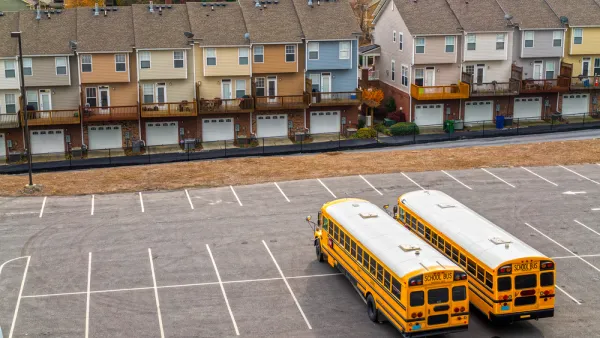
The Emergence of Supply-Side Progressivism
The American Left, according to Ezra Klein, is starting to acknowledge the role of supply-side thinking in public policy.

Poll: Housing and Homelessness Most Pressing Concerns for Urban Residents
Results show rising housing costs and housing insecurity have become top issues for residents of major cities across the country.
Strong Public Support for Parks and Recreation Nationwide
The latest report by the National Recreational and Park Association (NRPA) offers insights into public perception and use of parks, revealing a high level of affinity.

Exploring the Outdoors in a Socially and Environmentally Responsible Manner
To travel ethically, visitors to national parks need to be more mindful and better understand the history of the parks and their impacts on these spaces and surrounding communities.
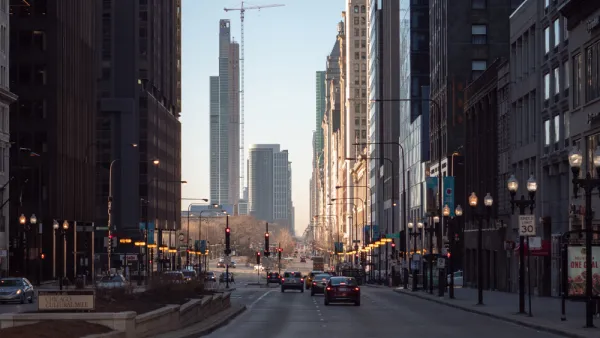
Supertall Luxury Residential Towers Reaching New Heights
If you thought residential buildings had reached their maximum potential for livable height, just wait a few years.

Using Cell Phone Location Data for Park Planning
Location data from mobile devices can help inform park planning and development, letting planners know how people move through parks and which spaces they actually use within them.

Saved by the $3.5 Billion U.S. Budget Package: a Gigaton of Greenhouse Gas Emissions
As the details of the $3.5 trillion budget package under development in the U.S. House of Representatives begin to emerge, so to do the potential climate change benefits.

FREE Course: Walkable City 1: Why Walkability?
After describing his path towards focusing on walkability as the essence of good planning, Jeff Speck marches through his five principal reasons for making more walkable places.
Reinventing Malls: Planning Alchemy—Turning Gray Fields Into Gold
The course focuses on the opportunities and imperatives that shape reinvention of mall sites.

One Hundred Miles
County of Mendocino
planning NEXT
The Architects Foundation
University of Cincinnati Online
Montrose County
Northern Illinois Transit Authority (NITA)
The Pocatello Development Authority









