United States
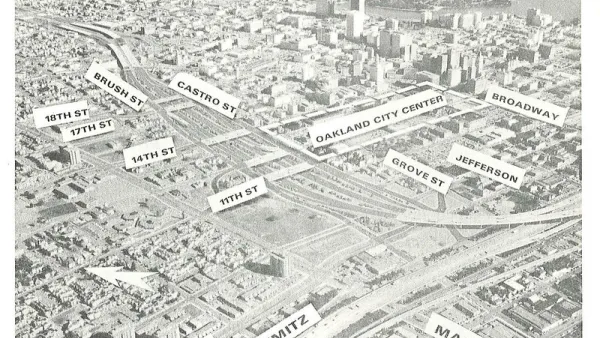
Removing Urban Highways Can Improve Neighborhoods Blighted by Decades of Racist Policies
More money from the infrastructure bill now moving through Congress should go toward dismantling racist infrastructure in the United States, according to this article.
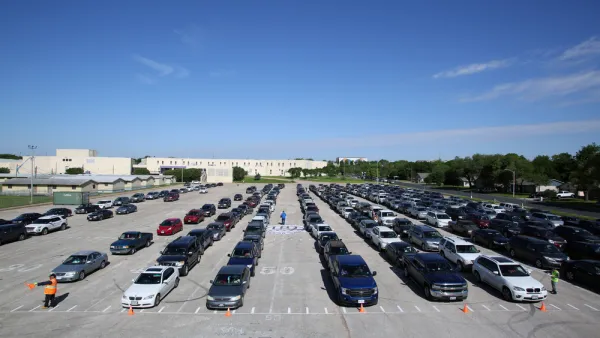
Pandemic Relief Programs Reduced Poverty, Census Finds
Robust assistance programs kept millions of households out of poverty last year.
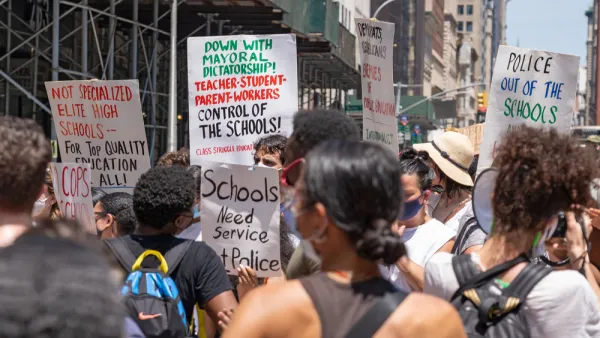
Pandemic Debate: Civil Liberties vs. Individual Liberties
The American Civil Liberties Union stepped into the nation's masking debate in K-12 schools on the side of parents of students with disabilities. They won the first round in the U.S. Southern District Court of Iowa. Mask mandates are permitted again.
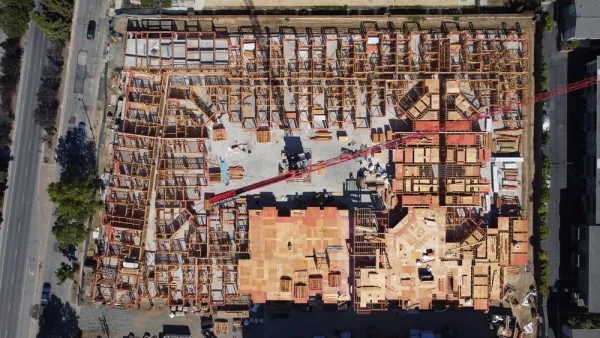
Small Downtown Businesses Adapt to Fewer Office Workers
Businesses that traditionally serve commuters have had to make adjustments to stay in business as remote work empties out central business districts.
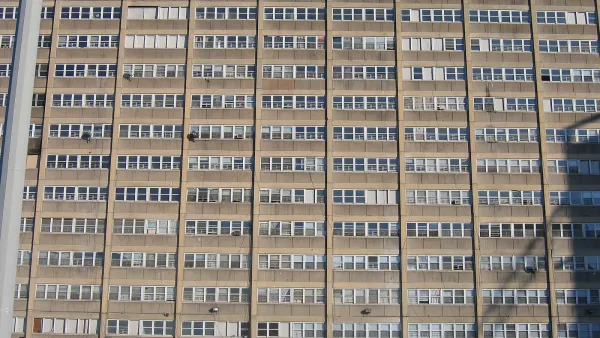
Candyman's Real Horror: American Public Housing Policy
The new film, set in one of America's most notorious public housing projects, highlights the failure of affordable housing policy and its impact on Black communities.
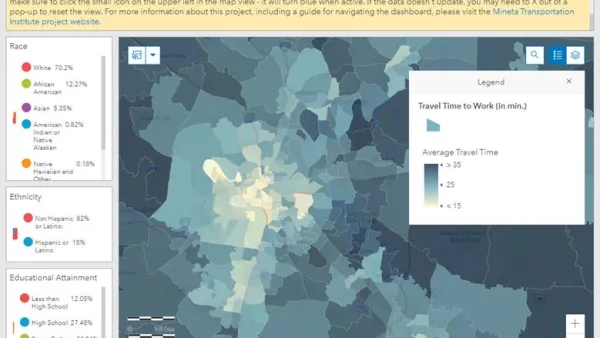
Getting to Work: New Commute Duration Heatmaps
The Mineta Transportation Institute's new interactive website produces heatmaps that illustrate commute duration—the number of minutes that workers spend traveling to their jobs—plus related information, for most U.S. communities.
Infrastructure Financing Advances in House as $3.5 Billion Spending Package Takes Shape
A whole bunch of money is on the table in Congress.
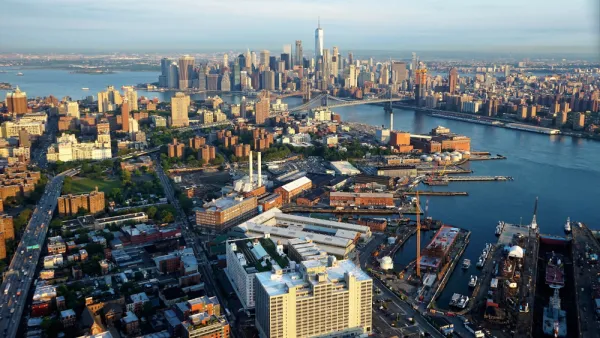
Study: Market-Rate Development Filters Into Naturally Occurring Affordable Housing
New research sheds new light on one of the most hotly debated questions in planning and development.
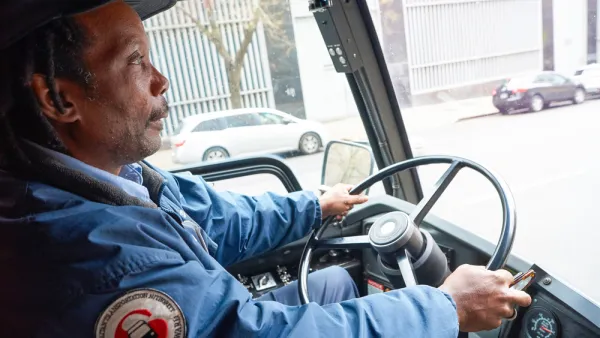
How Free Fares Could Benefit Bus Drivers
Free transit would reduce boarding times and improve working conditions for bus drivers, the 'frontline workers' responsible for fare collection and enforcement.
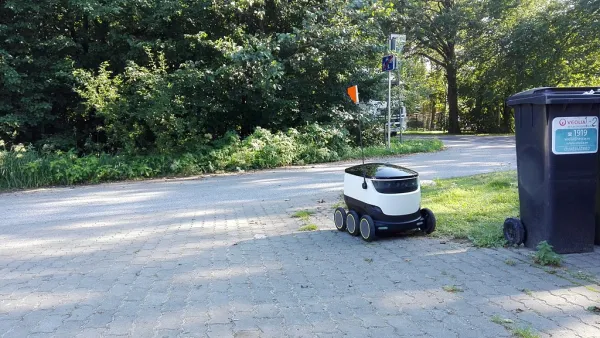
Are Robots Coming to a Sidewalk Near You?
Since 2017, 32 bills regulating or permitting "personal delivery devices"—sidewalk robots—have been introduced in 27 states.
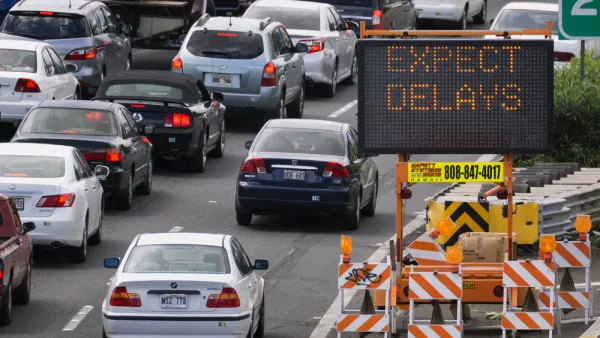
What Will It Take for the U.S. to Kick the Car Habit?
Government played a big role in creating the car-centric United States that exists today. Climate change requires that government take the lead in reducing automobile dominance.
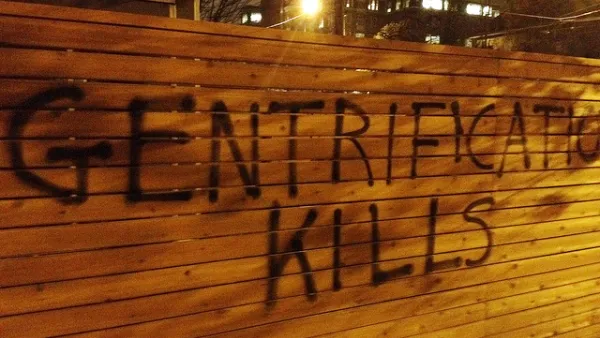
What We Really Mean When We Say Gentrification
The focus on gentrifying communities has, in many cases, eclipsed the similar problems facing more stagnant neighborhoods.
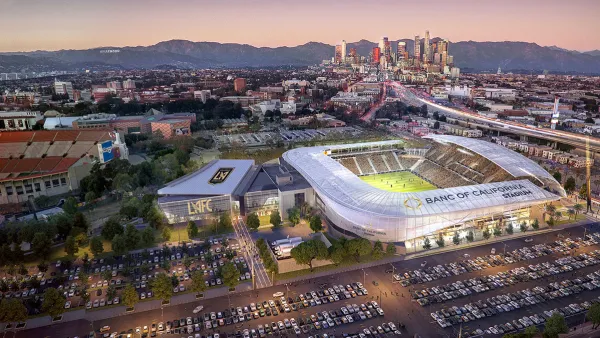
Sports Stadiums as a Battleground for Affordable Housing
Thanks to new enforcement powers, California's Department of Housing and Community Development can now cite cities for failing to meet affordable housing requirements in stadium redevelopment projects.
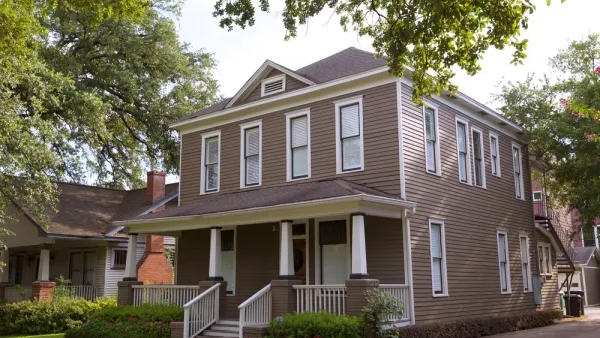
Racial Bias Still Rampant in the Mortgage Industry
New research that controls for financial factors the industry said would explain disparities shows that race still plays a major role in loan decisions.
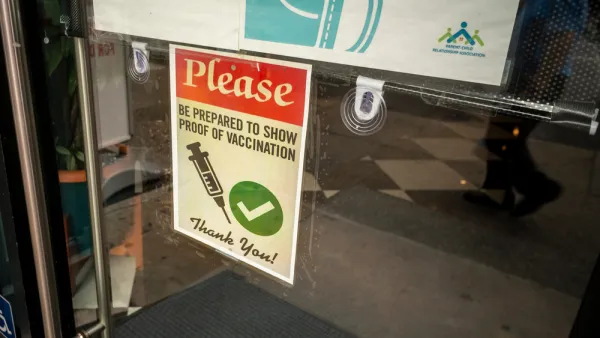
Biden Orders Large Employers to Require Vaccination or COVID Testing
President Biden announced a multi-prong strategy to combat the Delta surge gripping the nation that rests largely on increasing the vaccination rate among the labor force. The most controversial measure is aimed at private employers of 100+ workers.
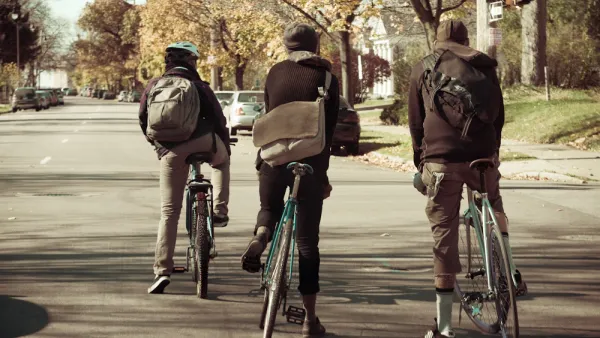
Race, Infrastructure, and Police in Cycling
Recent research suggests that cyclists of color are more likely to receive citations, but enforcement has little correlation with improved safety.
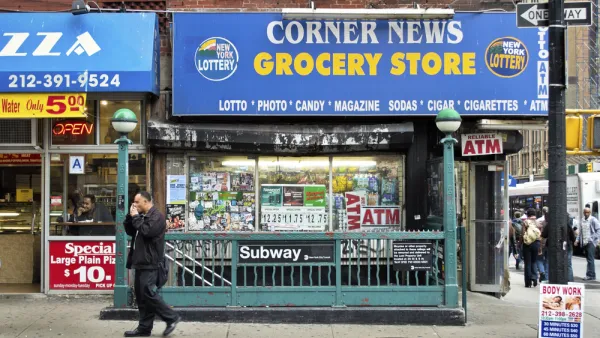
Healthy Corner Stores Fight 'Retail Redlining'
Small entrepreneurs are working to combat 'food deserts' by bringing fresh, healthy foods to communities lacking access to major grocery stores. But price continues to be a major factor in people's food choices.
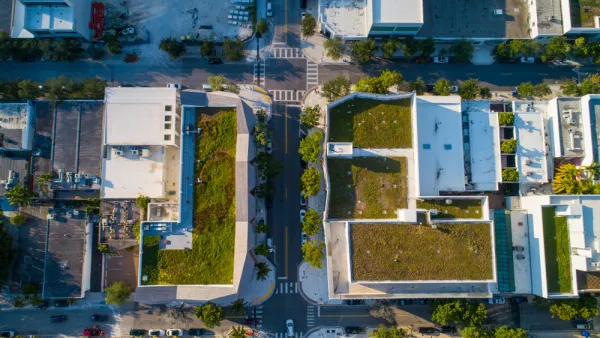
Sustainable Real Estate Investments Are No Longer Optional
Greenwashing won't cut it anymore, and investors are increasingly demanding that all real estate developments and existing assets be assessed in the most holistic way possible.
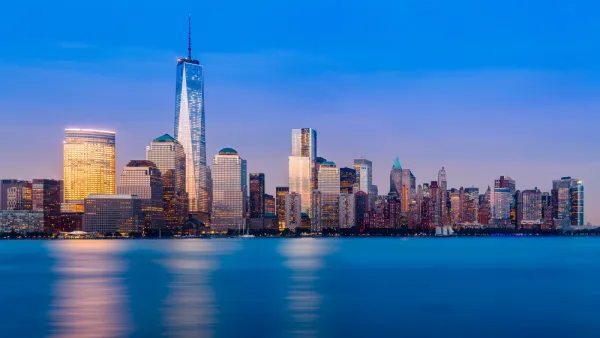
20 Years After 9/11: The 'Age of Skyscrapers' Is Nowhere Near Over
Despite predictions that the events of September 11, 2001 would be the end of skyscrapers, U.S. cities are building more tall buildings than ever.
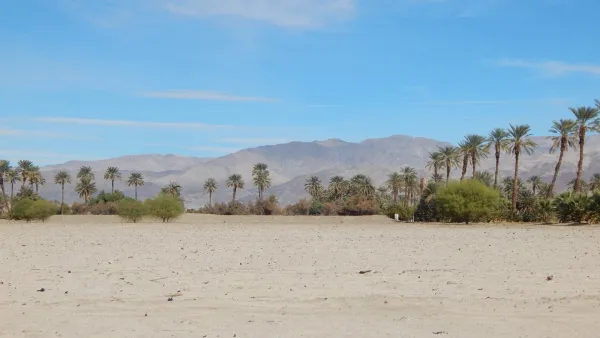
A Stark Picture of the Climate Gap in the Coachella Valley
In the low desert of Southern California, dwindling water supplies and a lack of infrastructure funding pose major challenges for working-class communities struggling to survive.

FREE Course: Walkable City 1: Why Walkability?
After describing his path towards focusing on walkability as the essence of good planning, Jeff Speck marches through his five principal reasons for making more walkable places.
Reinventing Malls: Planning Alchemy—Turning Gray Fields Into Gold
The course focuses on the opportunities and imperatives that shape reinvention of mall sites.

One Hundred Miles
County of Mendocino
planning NEXT
The Architects Foundation
University of Cincinnati Online
Montrose County
Northern Illinois Transit Authority (NITA)
The Pocatello Development Authority









