United States
Disney Plans New Residential Developments
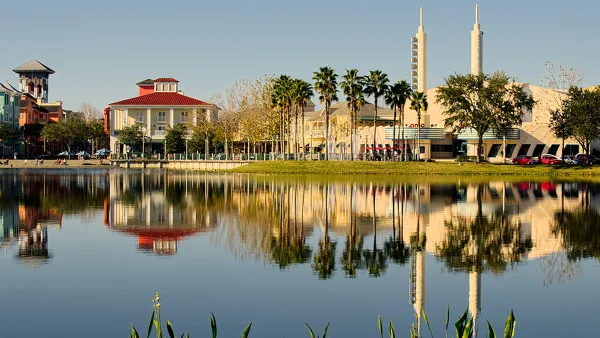
Despite the less-than-magical results of its experiment in Celebration, Florida, Disney has announced plans to build a chain of master-planned communities around the country.
Protecting Affordable Housing After Natural Disasters
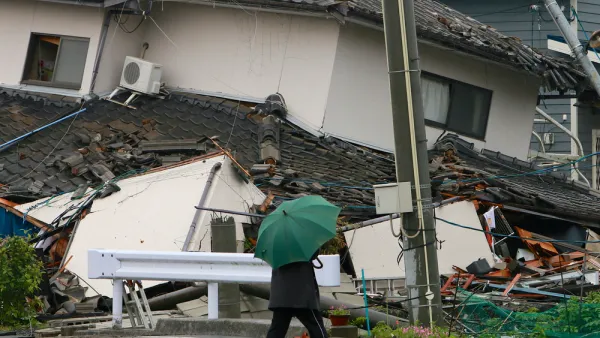
Research shows that low-income communities suffer most and take the longest to recover from disasters, which can often wipe out affordable housing stock and displace vulnerable households.
Study: Speed Camera Citations Correlate to Safe Infrastructure
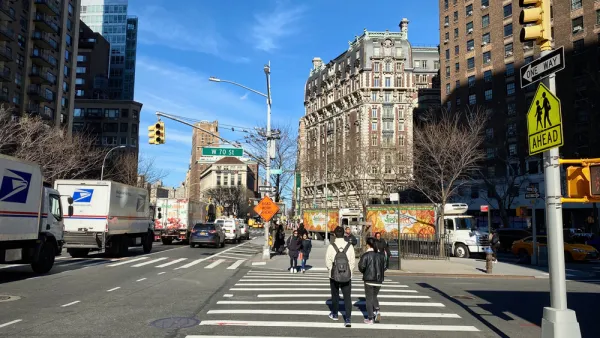
New research suggests that fewer speeding tickets are issued in neighborhoods where the city has invested in traffic calming and pedestrian safety improvements.
Why 'Accidents' Are Not Inevitable
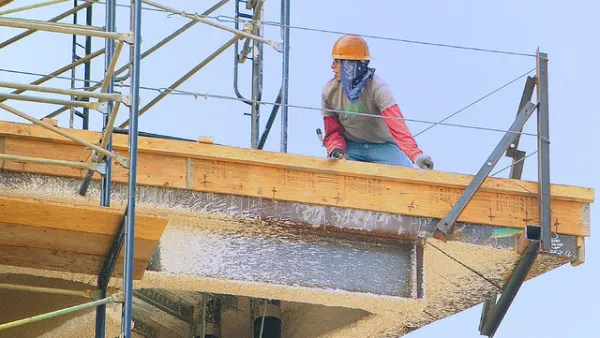
A new book argues that accidental deaths, from car crashes to industrial accidents, are a result of a 'rapacious' capitalist system that prioritizes profits over people.
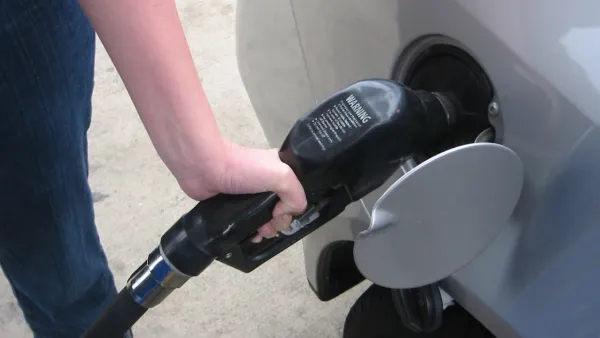
Time for a Federal Gas Tax Holiday?
Senate Democrats introduced legislation to lower gas prices by suspending the federal gas tax through the end of the year. General funds would be directed to the Highway Trust Fund to replace gas tax revenue.

Does Rental Assistance Demonstration Privatize Public Housing?
How exactly does RAD work and why is there a raging debate over whether it’s putting tenants’ rights and housing affordability in peril?
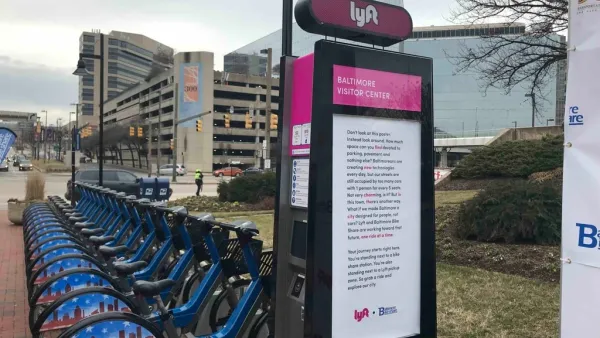
Uber and Lyft: A Tale of Two Companies
After years of resisting efforts by cities to regulate their business and constant—but unprofitable—growth, Uber and Lyft are homing in on their unique strengths.

Danish Paradox: High COVID Transmission Leads to Endemicity
The nation with the world's highest COVID infections per capita was the first in Europe to end almost all coronavirus restrictions. The decision comes with the declaration that as of Feb. 1, COVID is no longer a "socially critical disease" in Denmark
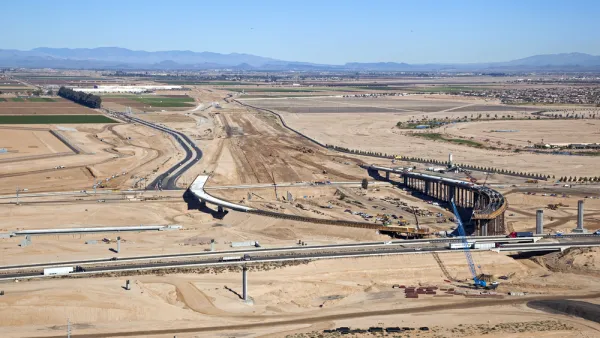
Infrastructure Funding Could Lead to Higher Carbon Emissions
Billions in federal infrastructure funding slated to go to states with few strings attached could fund roadway construction and widening projects that will raise greenhouse gas emissions and worsen climate change.

CDC Not Yet On Board with Ending Masking Requirements
Blue states have joined red ones in ending masking orders as COVID cases plummet, but the Centers for Disease Control and Prevention is sticking to its guidance: where transmission is 'high' or 'substantial,' universal indoor masking is recommended.
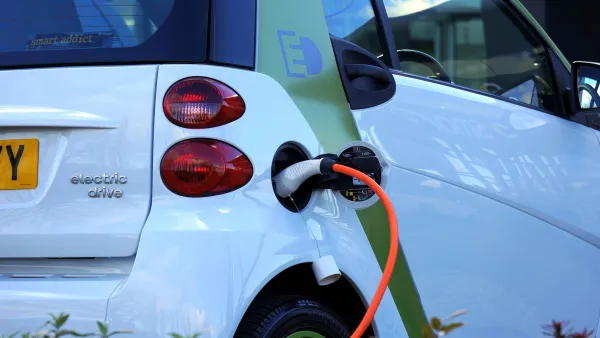
Federal Government Pledges $5 Billion for Electric Car Charging
A $5 billion federal investment will contribute to state efforts to install electric vehicle charging stations along interstate highways and major corridors.

Unlike Smaller Cars, 'Megacars' Drove More in 2020
The increase in miles driven by light trucks and other 'megacars' could have contributed to the rise in traffic deaths, despite an overall reduction in VMT.
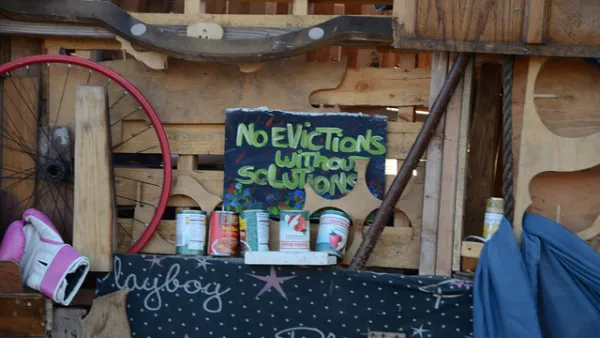
Report Highlights Key Role of Cities in Stemming Evictions
The National League of Cities outlines strategies that city leaders can implement at the local level to prevent evictions and increase housing affordability.
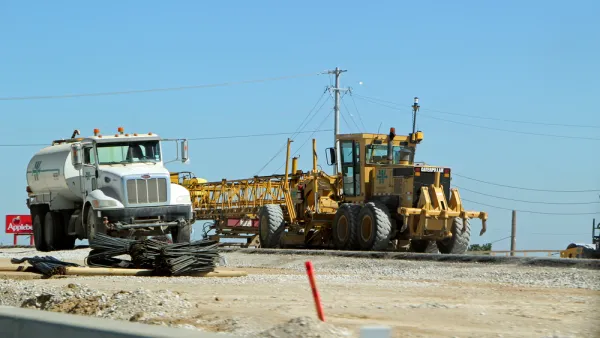
Top Republicans Encourage Governors to Ignore FHWA Guidance
Senators McConnell and Capito reject the administration's efforts to steer federal funds to infrastructure projects that prioritize road maintenance and transit and pedestrian improvements over new road construction.
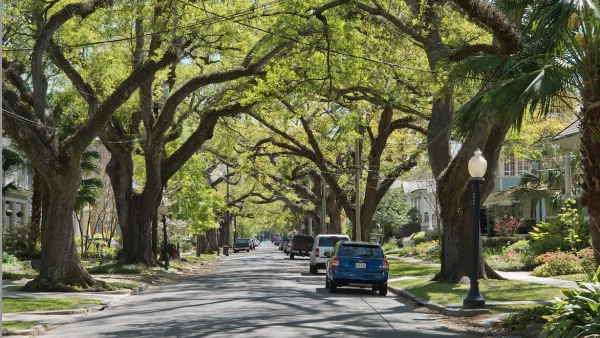
Green Infrastructure Thinking for Southern Cities in 2022 and Beyond
Resilience planning requires communities to think of a well planned and maintained tree canopy as a public utility system with multiple benefits.
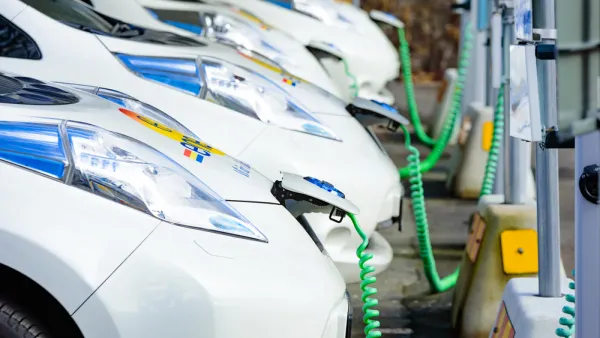
Challenges to Electrifying City Fleets
Shifting municipal fleets to electric vehicles poses some challenges, but cities can take steps today to prepare for an easier transition to an electric future.
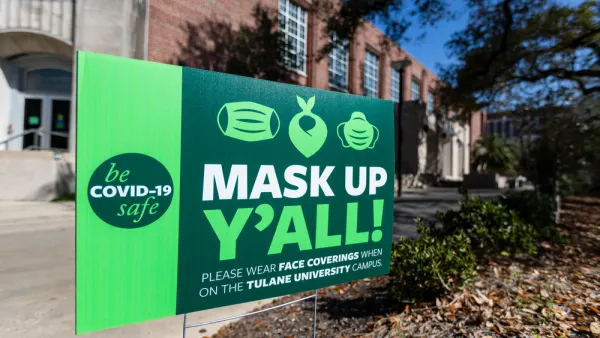
COVID Deaths: U.S. in a League of its Own
An analysis by The New York Times compares current and cumulative COVID deaths in the U.S. to other large, wealthy countries. Data analyzed include vaccination, age and obesity levels, and public trust, all factors that influence outcomes.
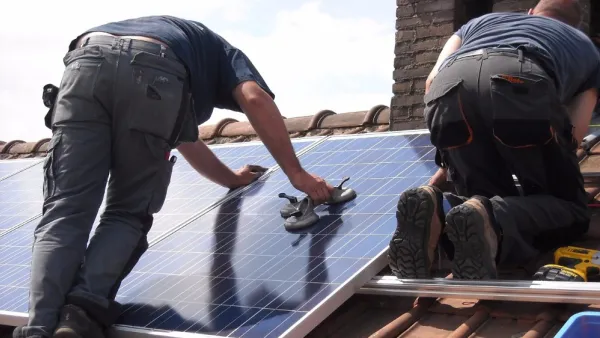
Grid Operator Calls for Two-Year Pause on Solar Projects, Citing Massive Backlog
The largest grid operator in the U.S. is asking for a new approvals process and two-year delay on current applications to ease the logjam of primarily solar projects in its queue.

HUD Credits COVID-19 Relief for Improved Homelessness Numbers
The U.S. Department of Housing and Urban Development's "2021 Annual Homeless Assessment Report" comes with significant caveats about partial data and changing homeless shelter practices.
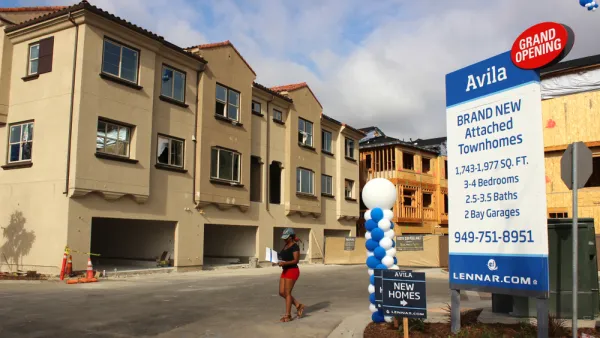
Building Up the 'Zoning Buffer' to Increase Housing Supply Without Raising Land Values
New research helps explain why urban housing prices are escalating and how communities can increase affordability. It emphasizes the need to upzone sufficient urban land to create a large competitive market for parcels ready for infill development.

FREE Course: Walkable City 1: Why Walkability?
After describing his path towards focusing on walkability as the essence of good planning, Jeff Speck marches through his five principal reasons for making more walkable places.
Reinventing Malls: Planning Alchemy—Turning Gray Fields Into Gold
The course focuses on the opportunities and imperatives that shape reinvention of mall sites.

One Hundred Miles
County of Mendocino
planning NEXT
The Architects Foundation
University of Cincinnati Online
Montrose County
Northern Illinois Transit Authority (NITA)
The Pocatello Development Authority









