United States

We Now Can Build Really Tall Skyscrapers. But Why?
The new book Super Tall, by architect and writer Stefan Al, explains how the new generation of skyscrapers are built and how they fit into their respective urban fabrics.
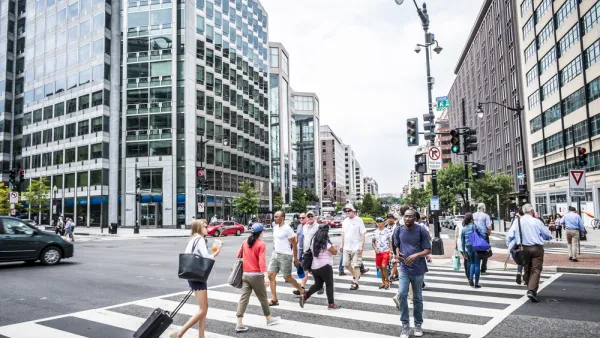
Census Data: Black Americans Leaving Cities for Suburbs
The trend of Black Americans leaving urban areas for suburban communities mirrors the White Flight of the mid-20th century but for vastly different reasons and with vastly different consequences.

Mapping Biodiversity Risk
A partnership of researchers has created the most detailed map yet of the places where biodiversity is most at risk in the United States.
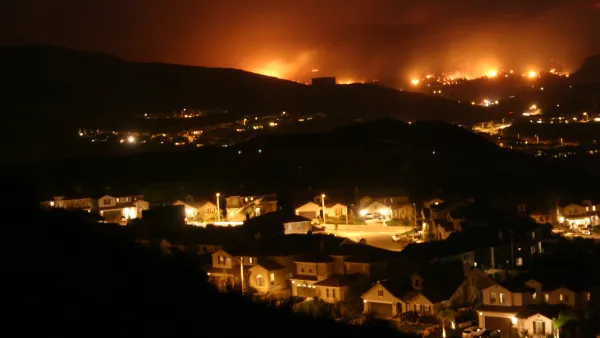
Housing Affordability and Worsening Wildfires: Twin Crises
As wildfires grow more destructive, how far should states go to protect homes located in high-risk areas?
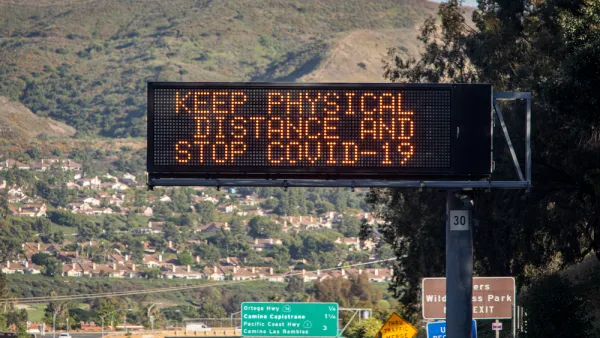
Second Anniversary of the COVID-19 Pandemic
March 11 marked the second anniversary of WHO's declaration of the pandemic and the beginning of its third year. Cases continue to plummet in the U.S. and plateau globally while war in Europe has overshadowed the virus that has killed 6 million.
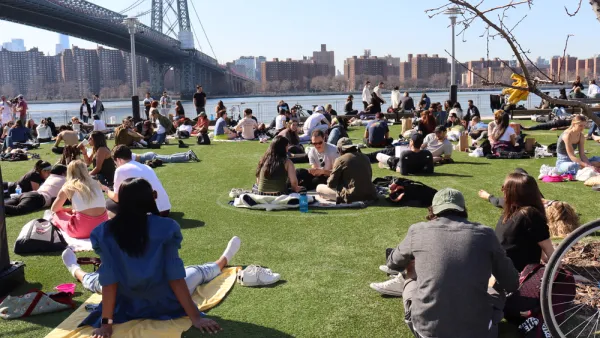
Reimagining Public Space in the Post-COVID Era
The pandemic forced a large-scale reexamination of how public spaces and urban form impact public health and equity. Now, policymakers can learn from those innovations to plan for the future of cities.

How To Get Federal Infrastructure Funding for Bike Projects
How bicycling advocates can strengthen existing partnerships and make strategic alliances that will benefit cyclists, pedestrians, and other vulnerable road users.

Industry Continues to Push Back Against Carbon-Slashing Building Codes
The battle over the efficiencies and infrastructure required in building codes continues.
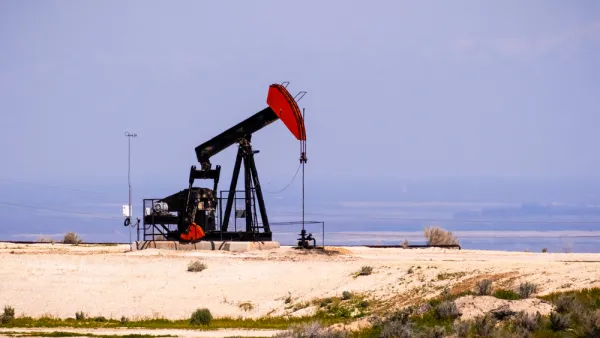
Pumping More Oil to Lower Gas Prices
Proponents of increased oil drilling in the U.S. to replace banned Russian oil argue that it will decrease prices at the pump. A Texas reporter examined the claim with a University of Texas energy analyst. If only it was that simple.

Opinion: How Micromobility Operators Can Stay Relevant
One micromobility CEO says operators should align themselves with cities' mobility, climate, and equity goals to maintain their relevance in the urban spaces of the future.

Wastewater System Upgrade Plans Already Out of Date
Some Midwest cities' plans to upgrade decades-old sewer systems rely on outdated rainfall predictions as flood risks grow due to climate change and shifting weather patterns.
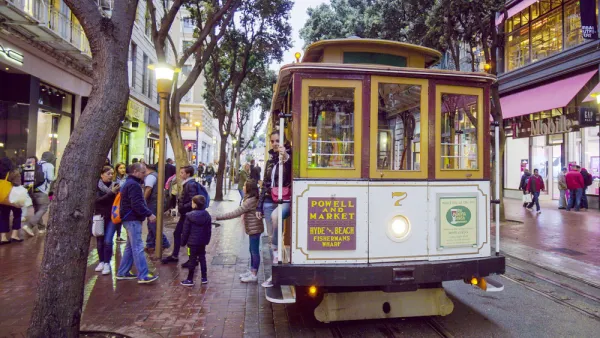
Zoomers Breathing New Life Into Cities
Young renters are flocking to big cities with lucrative job markets and ample social amenities, belying the 'urban exodus' myth.
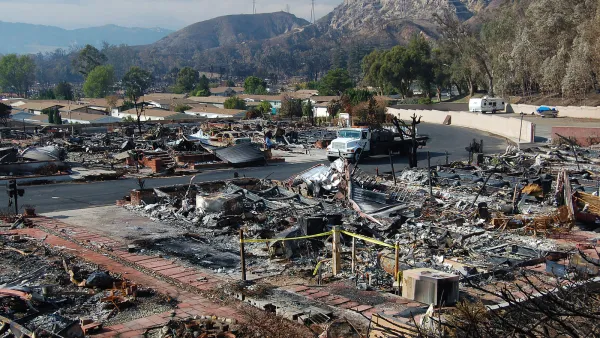
Rental Housing at Risk From Environmental Hazards
From wildfires to hurricanes, environmental risks pose a threat to around 40 percent of U.S. rental units.
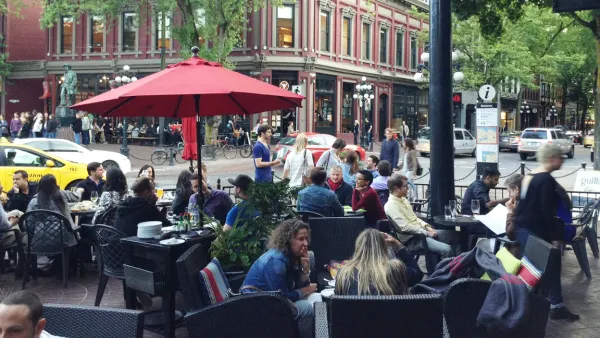
Where Urban Design And Public Health Intersect
As the pandemic emphasized, the way we design our cities can have lasting impacts on residents' health and wellness.
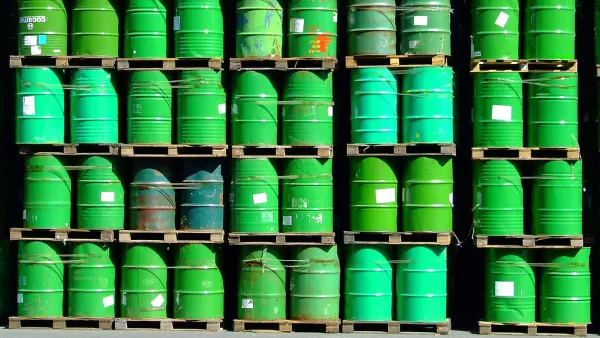
Banning Russian Oil
President Biden announced a ban on the importation of Russian energy on Tuesday in response to Russian President Vladimir Putin's invasion of Ukraine. He warned that gasoline prices will go even higher as a result. Europe will not be joining the ban.

Formerly Redlined Neighborhoods Continue to Suffer Disparate Air Pollution
How did ZIP codes become such powerful determinants of public health? New new evidence of the disparate air pollution of redlined neighborhoods partly answers that question.

Nominate the Best Bus Stops in the United States
Rather than doing another round of the 'sorriest' bus stops in the country, Streetsblog USA is shifting its focus to the positive, and asking readers to send nominations for America's Best Bus Stop.
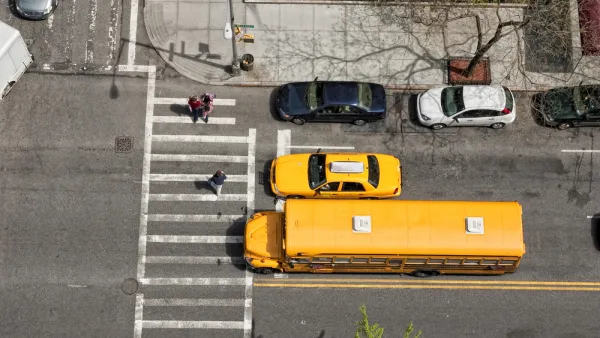
NHTSA Could Expand Safety Requirements to Include Pedestrians
In a radical shift from prior policy that singled out passenger safety, new cars could be required to include more features that protect people outside the vehicle.
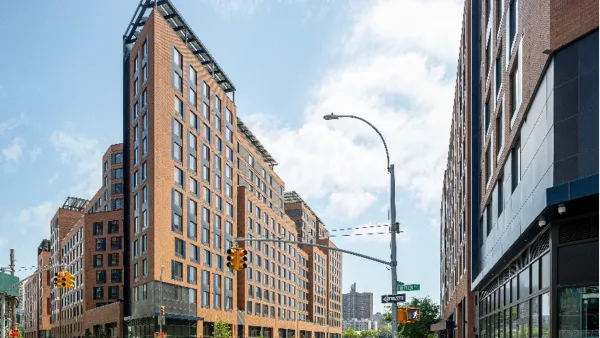
Vital Communities: Housing Quality for Social Equality
Transit-rich, “inner ring” neighborhoods with multi-family, mid- and high-rise housing (going beyond the limits of missing middle housing) will be necessary to deliver access to high-quality, safe, and affordable housing.
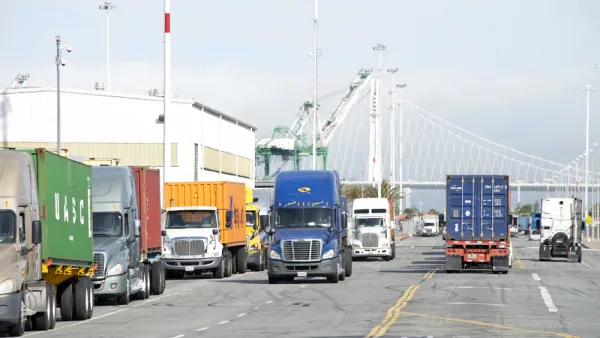
EPA Moves To Tighten Regulations on Emissions
Many environmental groups argue the EPA's proposed plan, which is less stringent than California's regulations, doesn't go far enough to support electrification and reduce GHG emissions.

FREE Course: Walkable City 1: Why Walkability?
After describing his path towards focusing on walkability as the essence of good planning, Jeff Speck marches through his five principal reasons for making more walkable places.
Reinventing Malls: Planning Alchemy—Turning Gray Fields Into Gold
The course focuses on the opportunities and imperatives that shape reinvention of mall sites.

One Hundred Miles
County of Mendocino
planning NEXT
The Architects Foundation
University of Cincinnati Online
Montrose County
Northern Illinois Transit Authority (NITA)
The Pocatello Development Authority









