Urban Development

California Senate Committee Kills Freeway Expansion Bill
The proposed legislation would have prohibited new construction in historically underserved areas that often bear the burnt of the negative impacts of freeways.
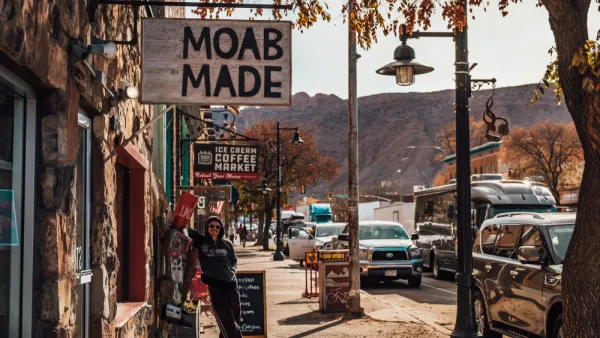
Initiative Brings Capacity Building to Booming Rural Towns
A research and capacity building initiative based at Utah State University seeks to help fast-growing tourist meccas in the West plan for smart growth.
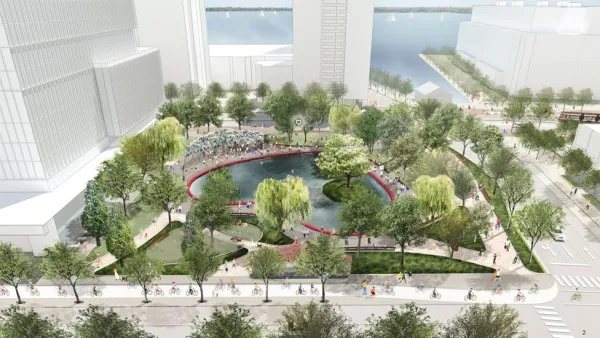
Quayside 2.0 Rejects the ‘Smart City’
In a reversal from Sidewalk Labs’ now-defunct tech-heavy proposal, Toronto’s new plan for the waterfront development known as Quayside emphasizes greenery and nature.

Obama on the Record Against Sprawl, Inequality by Design
Former President Barack Obama was at the AIA’s national conference in Chicago earlier this month. His presentation included some strong words about the effects of sprawl.
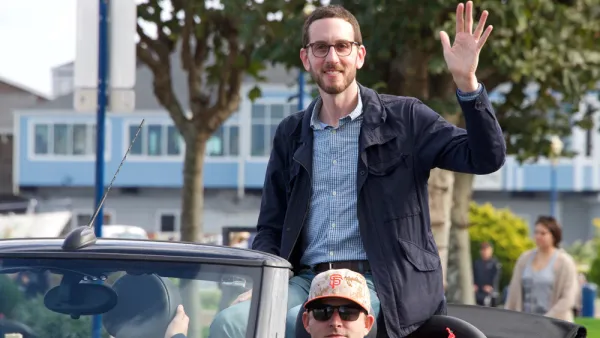
What Is a YIMBY?
YIMBY, an acronym standing for "Yes In My Backyard," describes advocates who support housing development as a response to the outcomes of restrictive zoning and planning policies.

San Francisco Just Ended Single-Family Zoning
The San Francisco Board of Supervisors voted to Tuesday to eliminate single-family zoning, but pro-development advocates say additional changes are needed to unleash a wave of construction.

Dallas-Area City Wants to Increase Minimum Home Size to 2,000 Square Feet
While some cities are finding ways to add density and use zoning as a tool for affordability, Mesquite, Texas is headed the other direction.

Seattle Ponders a New Approach to Zoning for its Comprehensive Plan Update
The city of Seattle will have an updated comprehensive plan by the end of 2024, with zoning changes to follow by 2025.
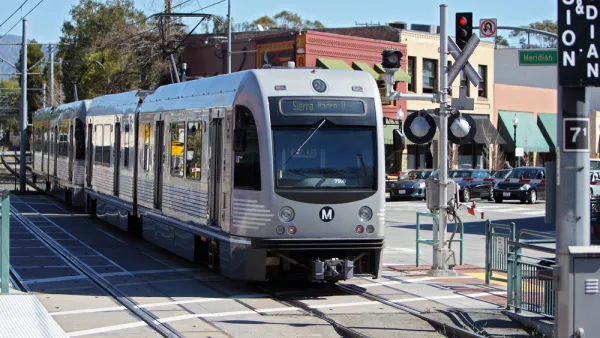
Land Banking to Prevent Transit-Oriented Displacement in Los Angeles
The Los Angeles County Metropolitan Transportation Authority (Metro) will implement a new land banking program to mitigate gentrification and displacement around future transit lines.

Snohomish County, Washington, Sets its Sights on Sprawl
Advocates say it’s unnecessary, but Snohomish County is preparing to expand its urban growth areas to allow for more low density residential development.

Spokane to Test Citywide Residential Density Incentives
The Spokane City Council in July will consider the "Building Opportunity and Choices for All" pilot program, which would allow new residential densities throughout the city.
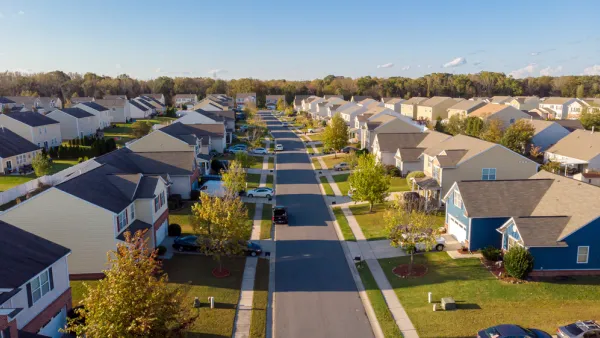
Four ‘Low-Hanging Fruit’ Zoning Reforms
An excerpt from the latest book on zoning argues for four approaches to reform that can immediately improve land use regulation in the United States.
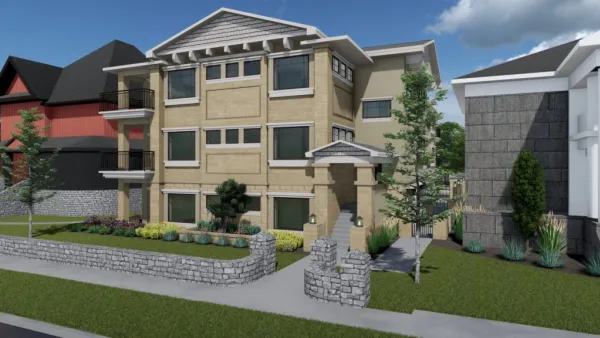
‘Emergency’ Historic District Alters, But Does Not Prevent, Boise Condo Project
No historic buildings were harmed to create the Residences at 132 Main.

A New Master Plan for the Los Angeles River
The L.A. County Board of Supervisors voted to approved a new master plan for the L.A. River—the “Reimagined River.”

One Year, Zero Conversions: New York Revamps its Hotels-to-Housing Program
The Housing Our Neighbors with Dignity Act (HONDA) was intended to convert dormant hotels into sorely needed housing. So far the law hasn’t worked as intended.

Judge Blocks Minneapolis 2040 Implementation, Citing Lack of Environmental Review
Environmentalists have used the power of the legal system to protect the car-centric status quo of single-family zoning once again, overturning a landmark planning innovation in Minneapolis.
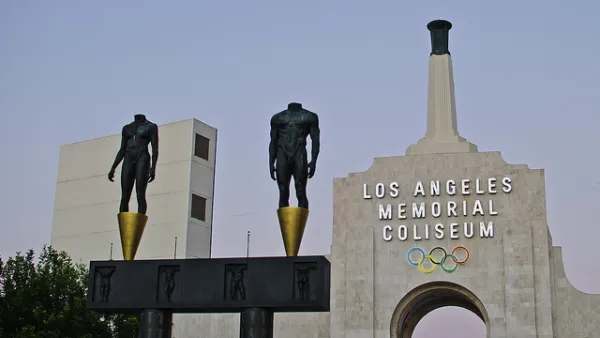
L.A. Seeking Funding for New Transit Projects Prior to the 2028 Summer Olympics
Los Angeles officials have been working for years to deliver a suite of transit projects in time for the 2028 Olympics. Planners now hope federal infrastructure funding could reinvigorate the effort.

Sensory Urbanism Fights ‘Visual Bias’ in Planning
Researchers are beginning to understand the effect of sounds, smells, and tastes in the urban experience.
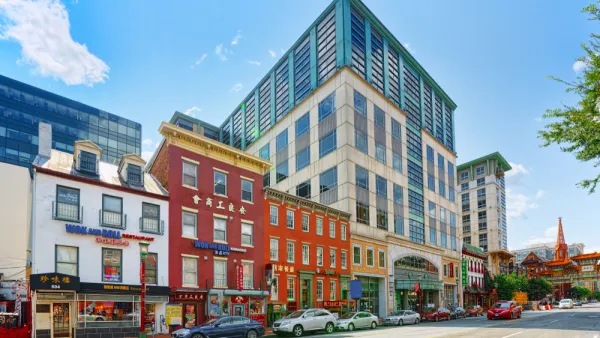
How Historic Inequity Shapes D.C.’s Transit-Oriented Development
A series of articles traces the history and policies behind Washington, D.C.’s efforts to promote equitable transit-oriented development.
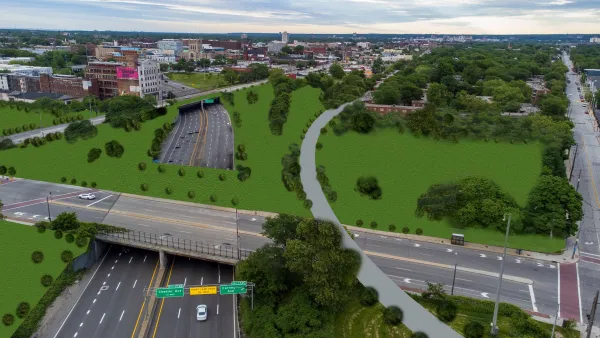
Freeway Cap Park Proposed in the Heart of Cleveland
A proposal to cap part of the Innerbelt Freeway east of Downtown Cleveland would require the demolition of a vacant, historic courthouse near the East 22nd Street Bridge.

FREE Course: Walkable City 1: Why Walkability?
After describing his path towards focusing on walkability as the essence of good planning, Jeff Speck marches through his five principal reasons for making more walkable places.
Reinventing Malls: Planning Alchemy—Turning Gray Fields Into Gold
The course focuses on the opportunities and imperatives that shape reinvention of mall sites.

City of Rosemead
Rutgers University, Edward J. Bloustein School of Planning and Public Policy
One Hundred Miles
University of Michigan School for Environment and Sustainability (SEAS)
Hunter College, City University of New York (CUNY)
The Architects Foundation
City of Cambridge
Montrose County
The Pocatello Development Authority









