Urban Development
Seattle Updating Zoning Regulations for Small Single-Family Lots
Planners in Seattle have responded to controversy over the size and scale of development on small lots in many of the city's single-family neighborhoods, with a new set of zoning regulations.
One Possibility for Activating Vacant Storefronts in Small Cities
A post on the blog for Utile, a Boston-based architecture and urban planning firm, recommends the coffee cart as a bit of DIY urbanism for cities like Lawrence, Massachusetts.
Height Controversy in the Lower Ninth Ward
Two seven-story buildings, proposed for the former site of Holy Cross School in New Orleans’ Lower Ninth Ward, have created heated controversy in New Orleans' Lower Ninth Ward. In question is the character of the city’s riverfront neighborhoods.

Architecture + Urbanism: Both/And, Not Either/Or
Looking at the trend toward interdisciplinary design practice through the work of WXY Architecture + Urban Design.
HUD expected to further ease restrictions on mixed-use financing
The administrative change to follow recent successful FHA standards, according to CNU president John Norquist.
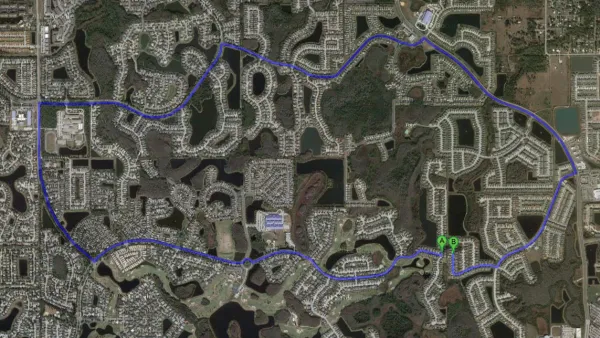
Study: Sprawl is Bad for Public Health
Smart Growth America has released the "Measuring Sprawl 2014" report, which updates the 2002 report "Measuring Sprawl and Its Impact."
''D.C.'s High Line" Could Transform the Banks of the Anacostia
The proposed elevated park across the Anacostia would be a first for D.C. The group backing it has launched a national design competition to design a bridge that fosters economic development, promotes community health, and cleans the river.
'People Habitat': Kaid Benfield Takes Smart Growth to a Higher Level
Kaid Benfield has a new book out, which Scott Doyon found positively uplifting. In ways beyond what you might be thinking.
Charting the 'Urban Shift' Among Technology Start-Ups
Once upon a time, tech start-ups located almost exclusively in the suburbs. New data reveals the extent to which this pattern has been reversed.
Examining the United States’ Urban/Rural Dichotomy
Governing presents a special series examining the “Rural/Urban Divide” in the United States.

Grocery Stores Require New Business Models in Food Deserts
Nathanael Johnson reports on what makes healthy grocery stores succeed in food deserts.
Development Benefits of Minneapolis’ Blue Line Scrutinized
A new paper in the Regional Science and Urban Economics journal presents a lukewarm review of the Minneapolis Blue Line’s impact on development through 2010—doing little to buoy the market during the Great Recession.

What Street Grids Reveal About a City
Author and blogger David Prowler takes a lighthearted and pictorial look at what the layout of a town's streets unveils about a city's history and aspirations.

The Most Dangerous Small Towns in America
Where are the most dangerous—and least populated—places to live in America? Surprisingly, none are on the west coast.
What Do Urban Trends Mean for Banks?
A recent article describes the context of urbanization around the country before examining the implications of the trend for the decisions made by bankers—i.e., where and how to invest—especially given the realities of the post-recession economy.
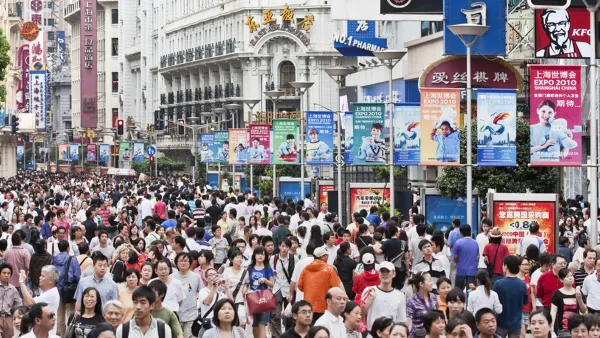
Hyper-Urbanization: China Plans for 100 Million New City Residents by 2020
China recently announced ambitious plans to move 100 million former farmers to urban environments—enough to bring the country's urban population to 60 percent of its total.
Amid Downtown Resurgence, Columbus, OH Extends Property Tax Break
In 2013, the city of Columbus left $8.3 million in property taxes on the table as part of a tax break intended to increase the number of people living downtown. How did it respond? By extending the tax break.
New Development Begs the Question: Which Way, San Jose?
Despite its mostly sprawling conditions, San Jose has recently prioritized walkable, dense urban environments. But should the city focus its development downtown or build a connected network of urban neighborhoods?
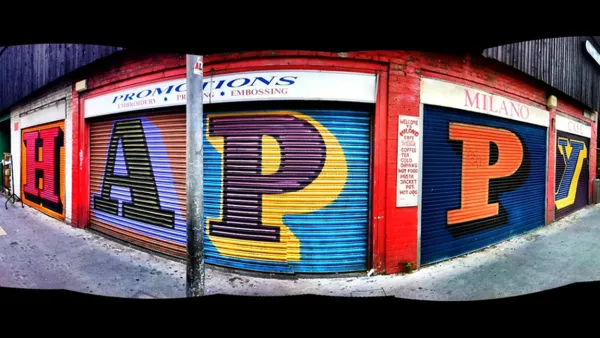
How Urban Design Begets Happiness
A new book by Charles Montgomery makes the case that many of the best possible outcomes for the built environment require human interaction—whether commuting to work or walking around residential neighborhoods.

Lessons for Shrinking Cities from Youngstown, Ohio
The city of Youngstown, Ohio has lost 60 percent of its population since the 1960s. The Youngstown 2010 plan attempted to redevelop a new, smaller city, but how well has it accomplished its goals so far?

FREE Course: Walkable City 1: Why Walkability?
After describing his path towards focusing on walkability as the essence of good planning, Jeff Speck marches through his five principal reasons for making more walkable places.
Reinventing Malls: Planning Alchemy—Turning Gray Fields Into Gold
The course focuses on the opportunities and imperatives that shape reinvention of mall sites.

Greater Baltimore Committee
Eagle County Government
Harvard University Graduate School of Design
The Architects Foundation
University of Cincinnati Online
The Pocatello Development Authority
The Urban Renewal Agency of the City of Pocatello
Journal of the American Planning Association