Urban Development
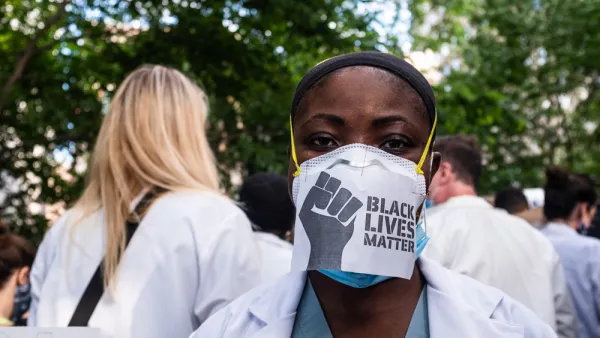
Urban Planning and the Coronavirus: 2020 Year in Review
If ever there was a doubt about the sheer depth and breadth of intersectionality found in the practice and theory of planning, the pandemic provides daily reminders.
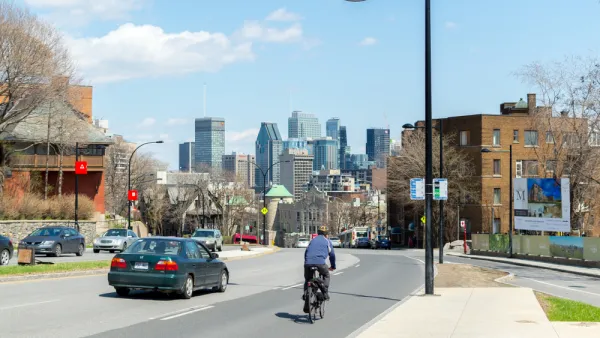
Smart Growth C'est Bon!
Compact infill development can create affordable, inclusive and attractive cities, like Montreal, "plus belle ville au monde."
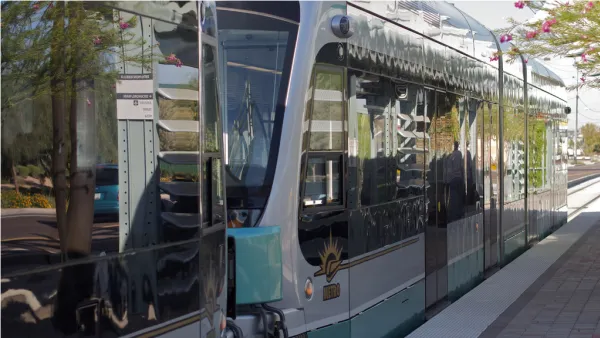
Federal Funding Could Vastly Improve Transit Services
With a $17 billion federal investment, every city's public transit could look like Chicago's.
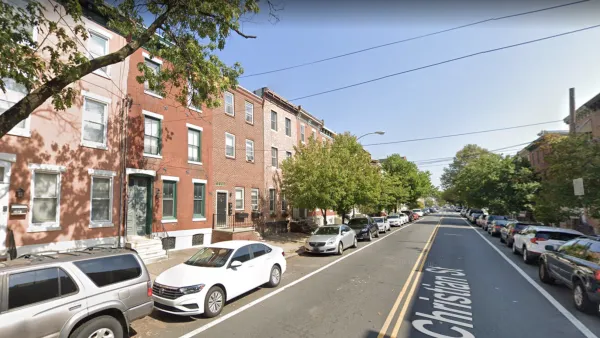
Preservation Blind Spot Apparent on Philly's Black 'Doctor's Row'
Christian Street, known at the beginning of the 20th century as the Black "Doctor's Row" should have been on the Historic Register years ago, according to this article.

Miami Beach Could Permanently Pedestrianize Ocean Drive
The city banned vehicle traffic from the popular street during the pandemic. Now, transportation planners hope to make the change permanent as part of a new plan to prioritize pedestrians and improve transportation in the Entertainment District.
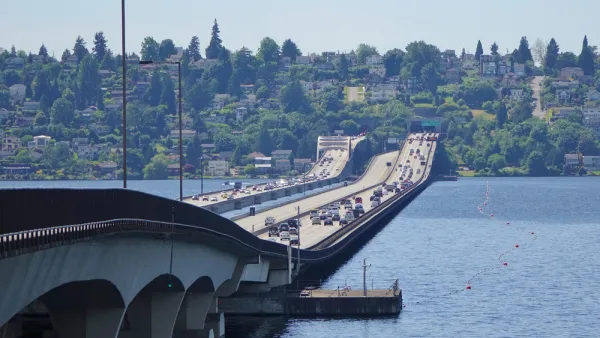
High Costs Lead Seattle to Scale Back Earthquake Work on Bridges
After underestimating costs by hundreds of millions, Seattle is forced to cut back on proposed seismic improvements for the city's bridges.
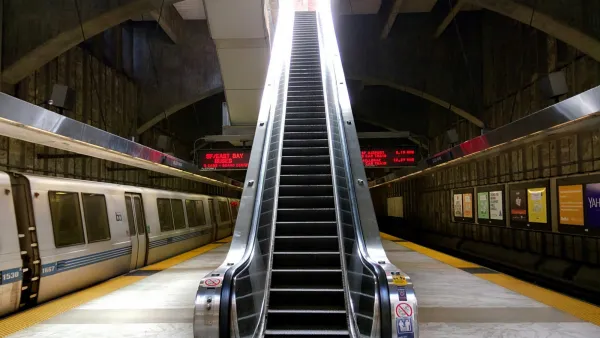
New South Bay BART Stations See Disappointing Ridership
Introduced during the pandemic in an area where many residents now work remotely, the new stations have failed to attract new commuters.
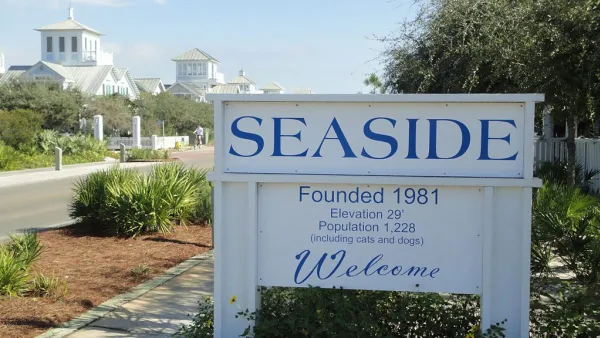
Reassessing New Urbanism
A thematic issue of the peer reviewed journal Urban Planning provides a framework for reassessing New Urbanism.
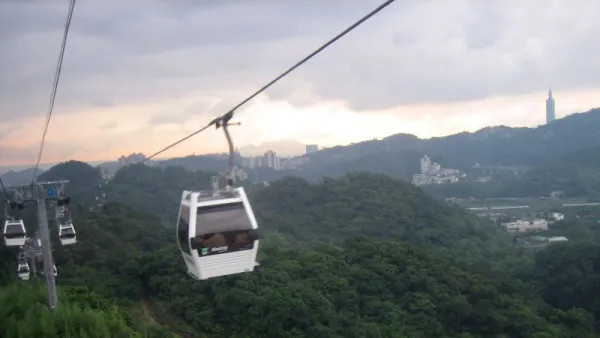
Seattle Neighborhood Groups Propose Aerial Gondola to Replace Light Rail Expansion
Impatient with the city's light rail expansion plans, some residents are looking to aerial gondolas as a new mode of public transit.
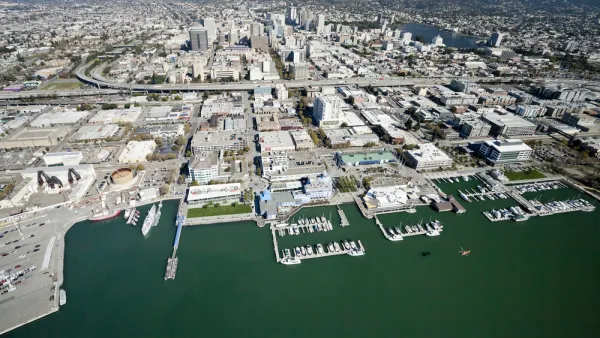
I-880 Reconfiguration Takes Another Step Forward in Oakland
The Oakland Alameda Access Project, in the works since 1997, is meant to relieve traffic congestion and improve safety for pedestrians and cyclists in Oakland's Chinatown neighborhood.

The Planning Profession Needs More Black Women
If planners want to address the impacts of exclusionary planning, historical inequities, and policies that ignore the needs of women and minorities, they must address systemic inequities within the field itself.
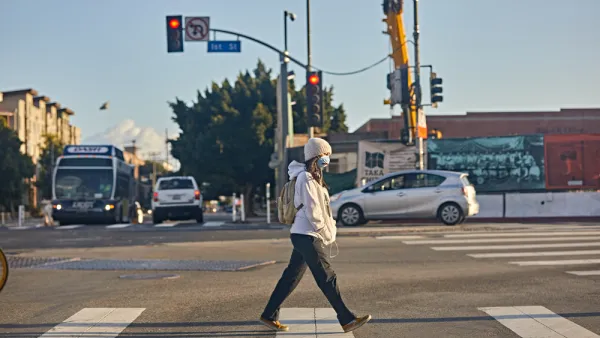
The Most Popular Urban Planning Articles of 2020
The most-read news, features, and blogs on Planetizen in that year that was 2020.

It's Time to Diversify the National Historic Register
The network of historic sites honors important events in the nation's history but overlooks places related to women and minorities.

Water Use and Land Use Are Deeply Intertwined
It's time to recognize the interconnectedness of land use planning, water policy, and sustainability initiatives.
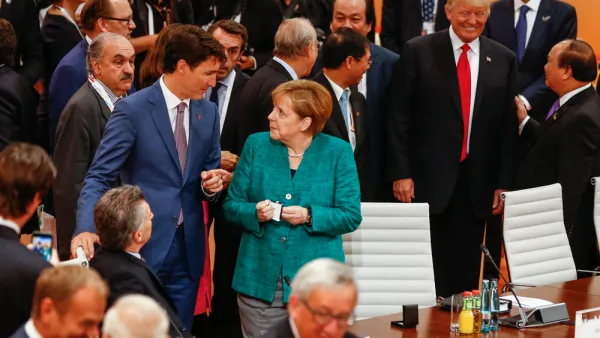
The G20 and Cities
The Penn Institute for Urban Research's latest issue of Urban Link features Eugénie Birch writing on the important roles of cities as strong partners with nations in supporting the G20’s goals.
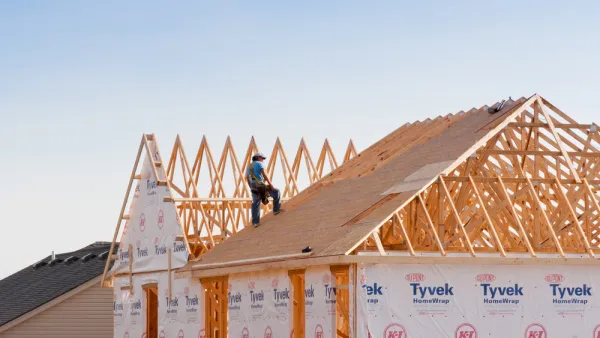
New Single-Family Homes Shrank in 2019
The Census Bureau's "Characteristics of New Housing" report shows declining size among single-family homes built and sold new in 2019.
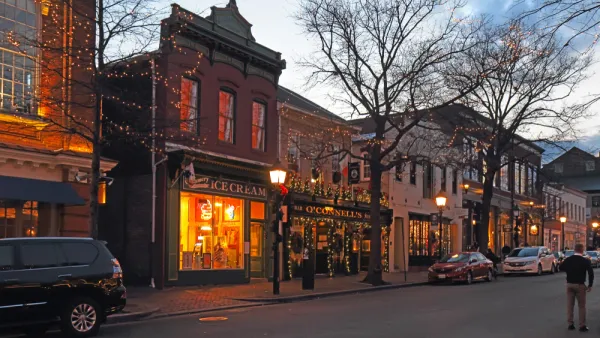
Civil Rights and Historic Preservation: A Case Study from Northern Virginia
The civil rights debates of the 1960s and 1970s influence city planning in Alexandria, Virginia to this day.
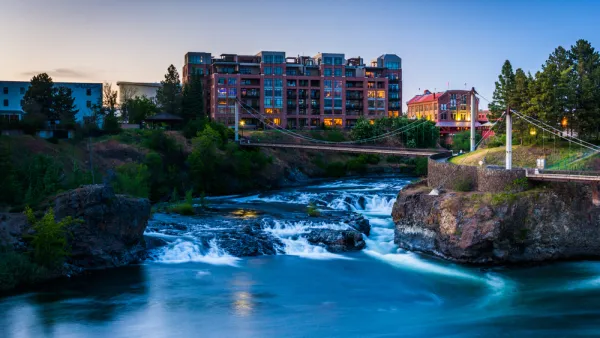
Comprehensive Update to Washington State's Growth Management Act Expected in 2021
Effective planning processes offer immense financial savings, and there's never been a more pressing need for both. The state of Washington is setting out to prove the planning dividend.
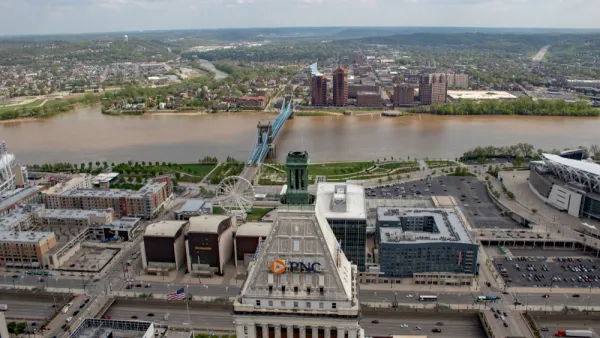
Open Container Laws Ditched in Cincinnati's The Banks Entertainment District
The trend toward the liberalization of outdoor drinking laws continues in Cincinnati. The turned is prevalent enough that this isn't even the first example of a "designated outdoor refreshment area" on the Ohio River.
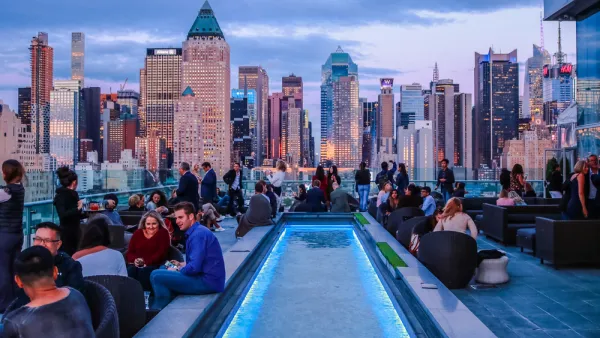
Special Permits Could Be Required to Develop a Hotel in New York City
It could become a lot harder to develop a hotel in New York City, even in areas where hotel developments are zoned as-of-right and even after the pandemic has ravaged the industry.

FREE Course: Walkable City 1: Why Walkability?
After describing his path towards focusing on walkability as the essence of good planning, Jeff Speck marches through his five principal reasons for making more walkable places.
Reinventing Malls: Planning Alchemy—Turning Gray Fields Into Gold
The course focuses on the opportunities and imperatives that shape reinvention of mall sites.

City of Rosemead
Rutgers University, Edward J. Bloustein School of Planning and Public Policy
One Hundred Miles
University of Michigan School for Environment and Sustainability (SEAS)
Hunter College, City University of New York (CUNY)
The Architects Foundation
City of Cambridge
Montrose County
The Pocatello Development Authority









