transportation equity
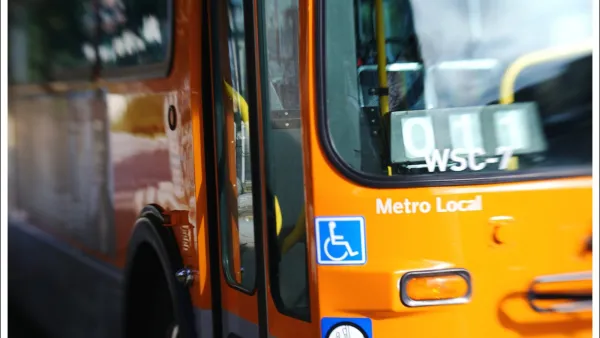
How to Improve Buses, the Overlooked but Essential Part of Urban Mobility
A new book argues that buses are an integral part of successful mobility networks and that better bus systems improve cities in ways benefiting all residents.
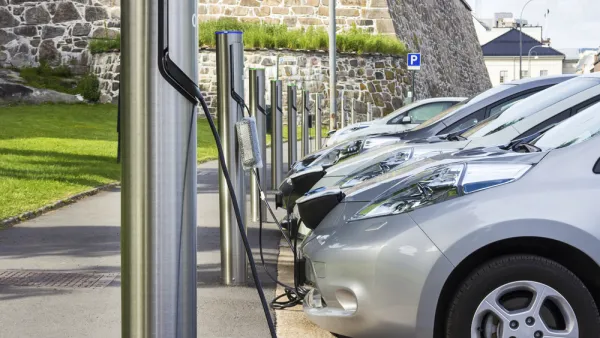
California Needs More EV Chargers to Keep Up with Demand
Electric vehicle sales continue to rise, but the need for more charging infrastructure is increasing as well.
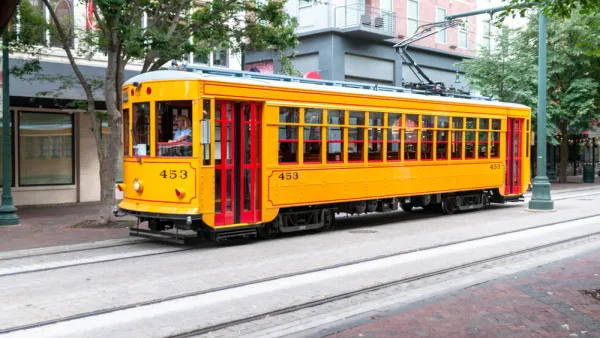
Multi-Car Owners May Pay Sustainability Fee to Fund Memphis Area Transit
Called a 'sustainability fee' by Mayor Lee Harris of Shelby County, the proposed fee would apply only to households that have three or more registered vehicles, about 17 percent of county residents. The first two vehicles would be exempt.
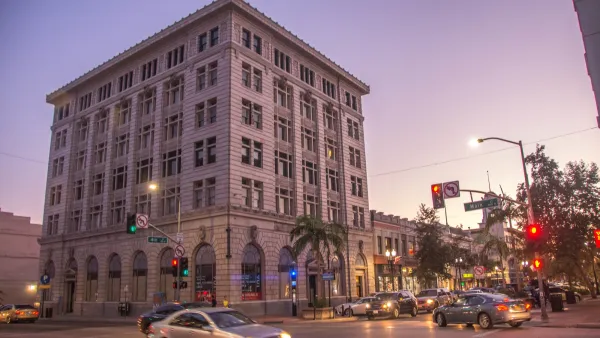
Orange County Streetcar Project Ignoring Equity Issues, Say Activists
Critics say transportation officials have failed to address the potential equity and displacement effects of the Southern California streetcar project.
Economic Independence or Auto Dependency?
A new study calls for "universal auto access" to combat poverty. It recommends subsidizing auto ownership or access for those who are economically unable to afford the high cost of owning, maintaining, and operating a personal motor vehicle.
If Road Pricing Is Inherently Unfair and Regressive...
Road pricing has its faults as a revenue measure, but it needs to be compared to ten elements of the current system of paying for transportation, including hidden subsidies, says Joe Cortright, an urban economist with Portland-based City Observatory.
Road Pricing Equity Report and Toolkit
A new report and toolkit helps policymakers and equity advocates apply comprehensive analysis to road pricing, considering affordability, accessibility and community health, and identifies way to achieve equity goals through pricing reforms.

San Francisco Bay Area Transit Fare Discount to Start This Fall
Low-income transit users desperately need a break on fares. A discount is on its way, but won’t be available until later in the year, and transit advocates say it’s not enough.
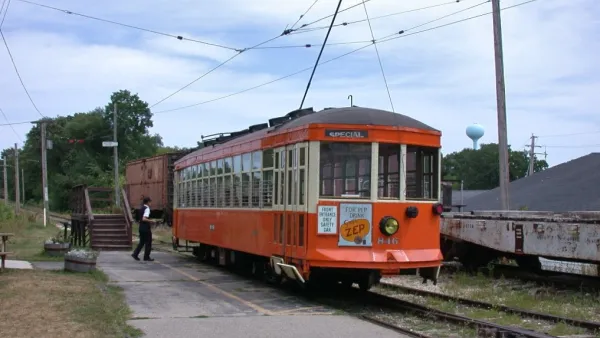
Wisconsin Study Unpacks Transit Inequities
A new study finds that Wisconsin spends big on highways and urban transportation while rural areas face gaps in service.
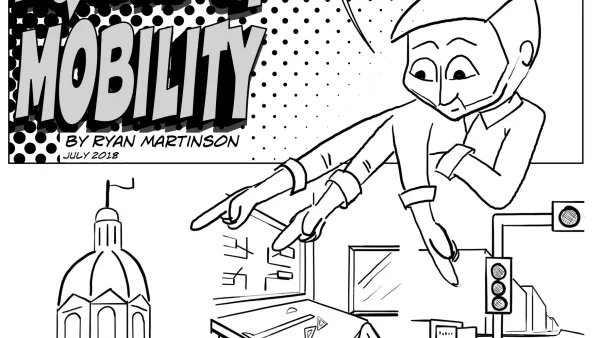
Equity and Mobility: A Comic Treatment for Transportation Professionals
What does "equity" mean for transportation professionals? This is discussed in a 12-page comic published in the Canadian Institute of Transportation Engineers newsletter.
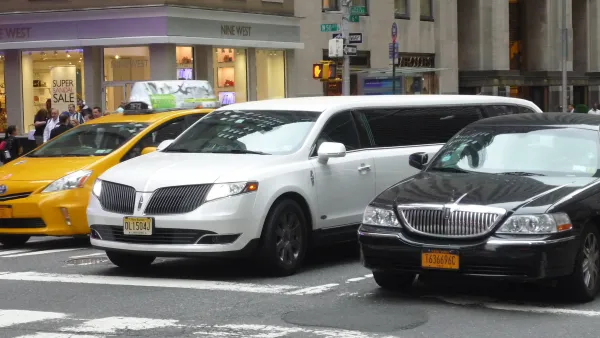
Transportation Network Companies Increase Mobility for Underserved Communities
A recent op-ed posted here warned against new transportation technologies and instead encouraged cities to invest in public transit and walkable communities. However, transportation network companies claim to have increased transportation equity.
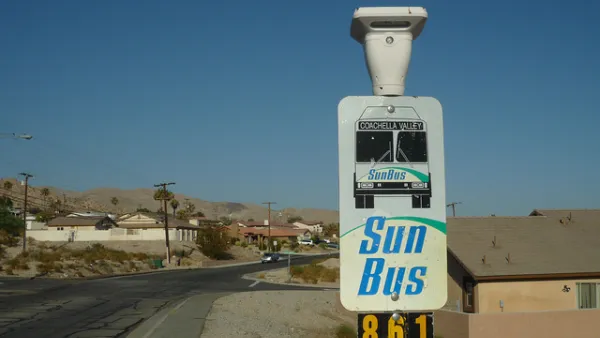
California's Rural Communities Want Transit, Too
Parts of California’s rural, working-class Central Valley see virtually no transportation investment, leaving many residents stranded in the heat.
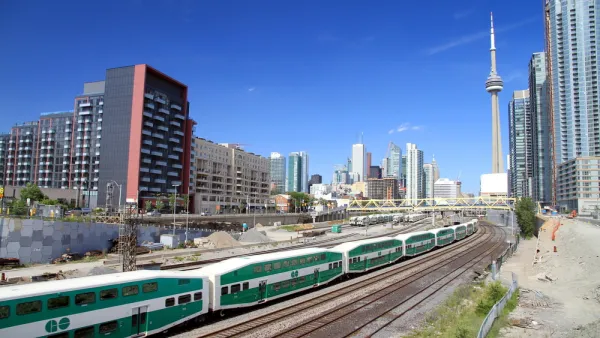
Towards a More Equitable Transit Future
"Next Stop Equity" evaluates the fairness of public transit service allocation and pricing in the Toronto, Canada region, and recommends policy reforms to better achieve social equity objectives.
Transportation Planners and Reformers: Rethink Your Terms
Remember the term "transportation alternatives," as in alternatives to motor vehicle transportation? It's not used much anymore, and for good reason. But more modern terms, e.g. road diet, need to be rethought as well, posits Nate Holmes for Medium.
People Still Want Buses, But Buses Aren't Delivering
Urban light rail has enjoyed a renaissance since the Great Recession, but during the same period cities have quietly reduced bus service. Daniel Hertz argues that while rail is commendable, buses remain a vital transit component.
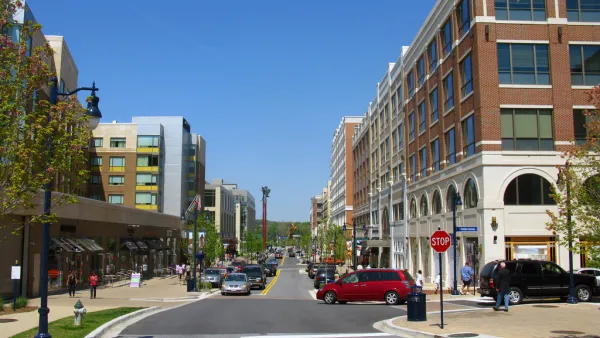
On the Benefits of Traffic Signal Removal
Certain intersections stand to gain from losing their traffic lights. According to this study, cities can save money and improve safety by uninstalling signals in low-traffic zones.
To Beat The Backlash, Expand The Bike Network, Say Planners
Bike lanes have become one of the most controversial topics in all of New York City. For cycling to take hold, the city needs to make sure all groups have equal access to cycling, say a team of Hunter College grad students.
To Stay Connected to Jobs, New Yorkers Need Better Bus Service
The new jobs in New York City aren't in Manhattan, but in the boroughs. For low-income workers to be able to access those opportunities, improved bus service will be necessary, says a new report.

FREE Course: Walkable City 1: Why Walkability?
After describing his path towards focusing on walkability as the essence of good planning, Jeff Speck marches through his five principal reasons for making more walkable places.
Reinventing Malls: Planning Alchemy—Turning Gray Fields Into Gold
The course focuses on the opportunities and imperatives that shape reinvention of mall sites.

Harvard University Graduate School of Design
KFH Group Inc.
Greater Baltimore Committee
The Architects Foundation
University of Cincinnati Online
The Pocatello Development Authority
The Urban Renewal Agency of the City of Pocatello