transportation equity
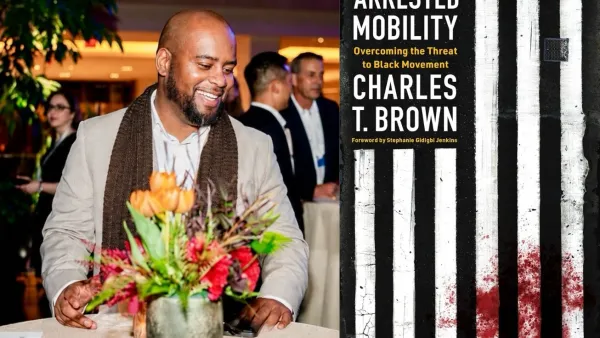
'Arrested mobility' and the fight for Black movement
Author Charles T. Brown explains how his experience growing up in rural Mississippi shaped his worldview and his current work for equitable transportation.
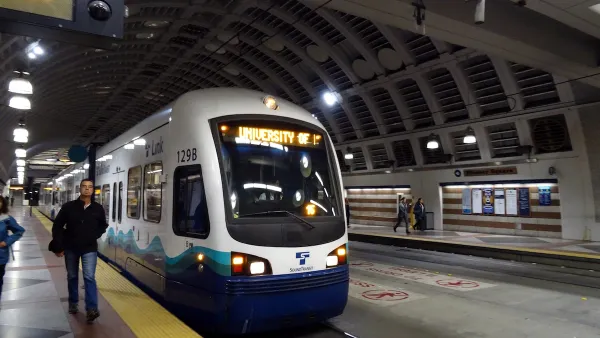
MPO Boards Don’t Reflect Their Constituencies
Metropolitan planning organizations make important transportation planning decisions, but their memberships often don’t reflect their region’s demographics.
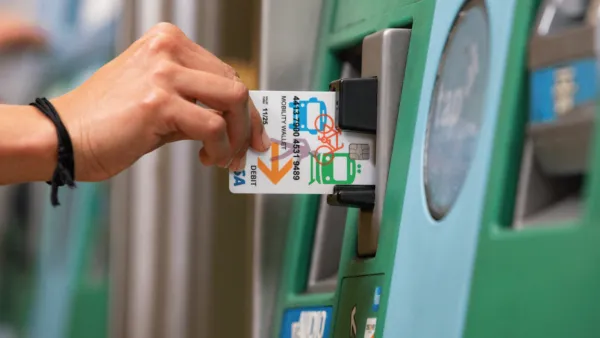
LA’s ‘Mobility Wallet’ Helps Bridge Transportation Gaps
The city gave 1,000 residents a $150 monthly transportation stipend that covered transit, bike share, ride hailing, and car rentals.
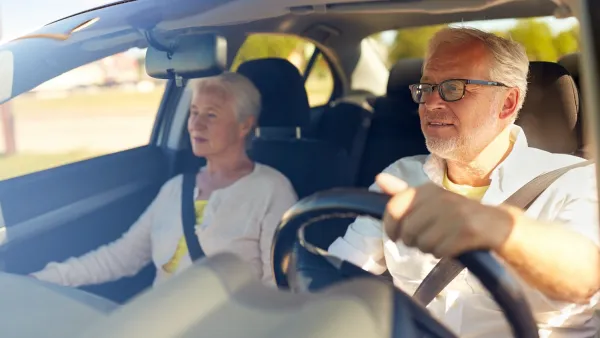
Preparing Transportation Systems for the ‘Silver Tsunami’
More Americans than ever will age beyond their safe ability to drive. How will they meet their mobility needs in a car-centric society?
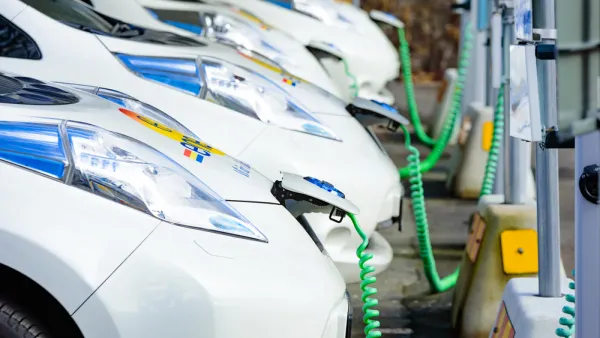
Report: Transportation Equity Requires More Than Electrification
Lower-income households often lack the resources to buy electric cars, signaling a need for a more holistic approach to improving mobility and lowering transportation costs.

USDOT: Low-Income Households Bear Highest Transportation Cost Burden
Transportation costs are the second-highest household expenditure behind housing for all income levels.
Planning for True Transportation Affordability: Beyond Common Misconceptions
Transportation affordability is important but often misunderstood, resulting in misguided solutions. New research helps identify ways to provide true affordability for economic freedom, opportunity and happiness.
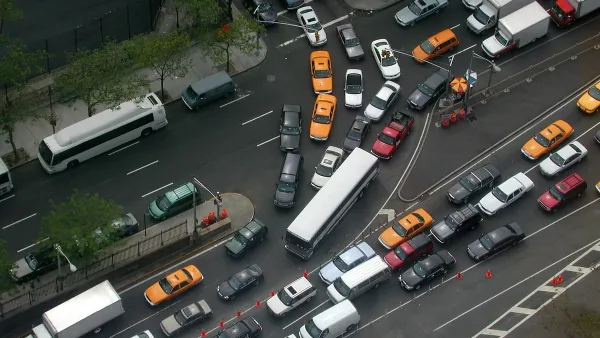
Report Highlights Economic Benefits of Reducing Car Dependence
Encouraging Americans to drive less — and supporting cities where it’s possible to do so — could save the country trillions more than just electrifying the transportation sector.

‘Week Without Driving’ Challenge: Are You Up For It?
The Week Without Driving challenge, scheduled Sept. 30 to Oct. 6 this year, encourages motorists, particularly policy makers and planning practitioners, to experience the challenges facing nondrivers in automobile-dependent communities.
Do Americans Want Women-Only Subway Cars?
Results from a YouGov survey indicate there is interest in subway and train cars being designated as women only, especially among female riders, younger riders, and people who have had negative interactions on public transportation.
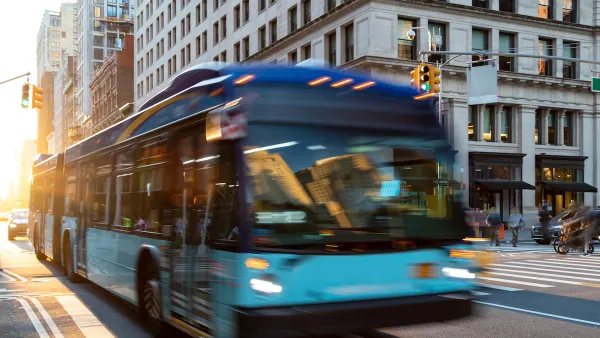
Planning for Equity in an Ideologically Conservative Community
To support equity goals, planners must accommodate diverse ideological perspectives, including political environments that focus on functional fairness rather than demographic categories.
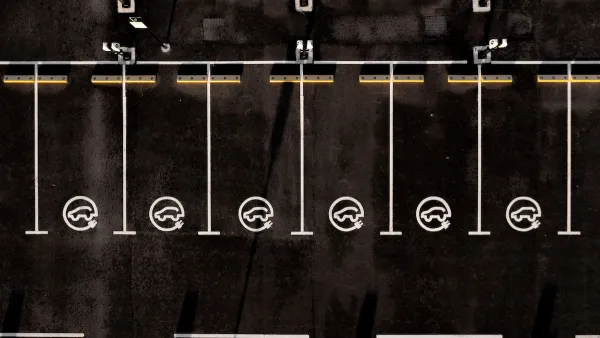
Study Highlights Equity Gaps in California's EV Incentives
A UCLA research team identifies gaps in incentive uptake and electric vehicle registration rates in disadvantaged communities.

State DOTs Don’t Resemble Their Constituencies — And That’s a Problem
Streetsblog calls attention to the lack of representation of women, people of color, and other groups in state departments of transportation that are largely dominated by white men.
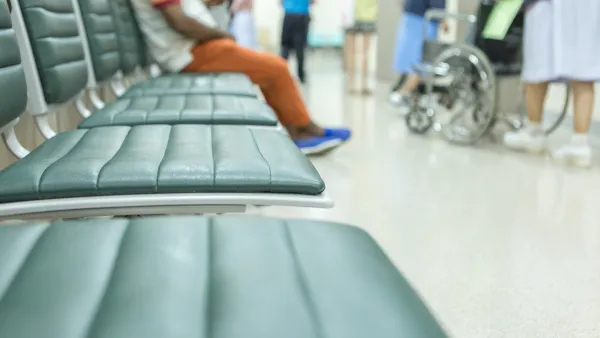
Linking Transportation Access and Public Health
Millions of Americans miss medical care and other important day-to-day appointments due to a lack of access to reliable transportation.

Study: Equity in Car Share Programs Requires Low Cost, Broad Coverage
Data from a Los Angeles car share program showed its impact on underserved communities was ‘limited by its small footprint.’
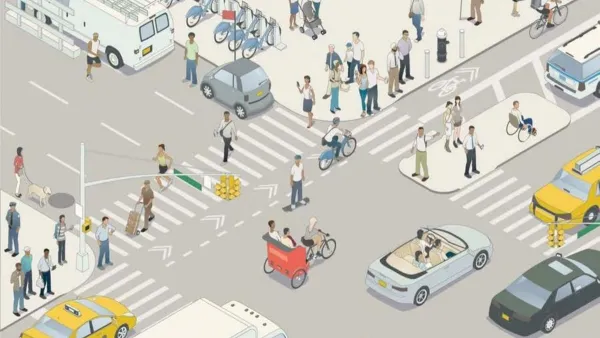
Book Excerpt: Inclusive Transportation: A Manifesto for Repairing Divided Communities
What is your transportation story?
‘Divided by Design’ Underscores Inequities in Transportation Policy
The report calls for a wholesale overhaul of U.S. transportation policy to redress the damages caused by decades of auto-centric development.
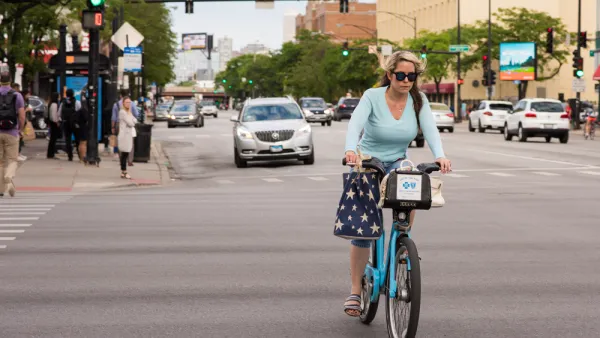
Micromobility Plus Transit Equals Jobs
Linking micromobility options to public transit can improve job acessibility, new research finds.
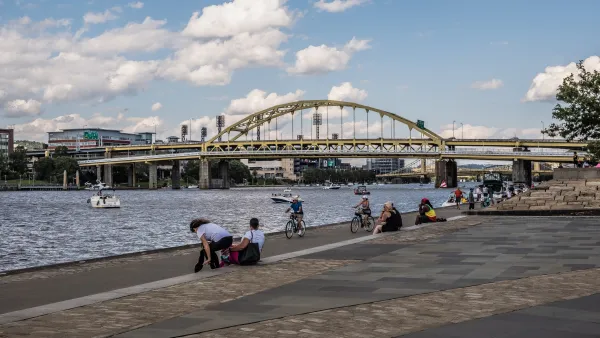
Pittsburgh Aims for Equitable Mobility
A two-year pilot program aims to provide an integrated, multimodal, and affordable transportation system across the city combining transit, bikes, e-scooters, and other options.
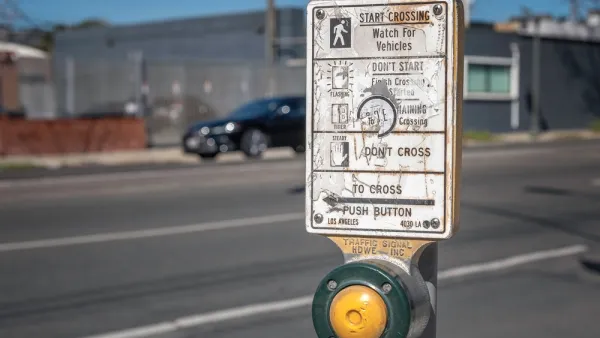
Report: Racial Gap in Traffic Deaths Persists
Communities of color have significantly higher rates of traffic fatalities, according to federal research.

FREE Course: Walkable City 1: Why Walkability?
After describing his path towards focusing on walkability as the essence of good planning, Jeff Speck marches through his five principal reasons for making more walkable places.
Reinventing Malls: Planning Alchemy—Turning Gray Fields Into Gold
The course focuses on the opportunities and imperatives that shape reinvention of mall sites.

Harvard University Graduate School of Design
KFH Group Inc.
Greater Baltimore Committee
The Architects Foundation
University of Cincinnati Online
The Pocatello Development Authority
The Urban Renewal Agency of the City of Pocatello