Public Health

Bioremediation for Environmental Justice
Bioremediation uses plants, fungi, and microbes to clean up polluted land in place, offering a nature-based option for restoring contaminated sites in overburdened communities.
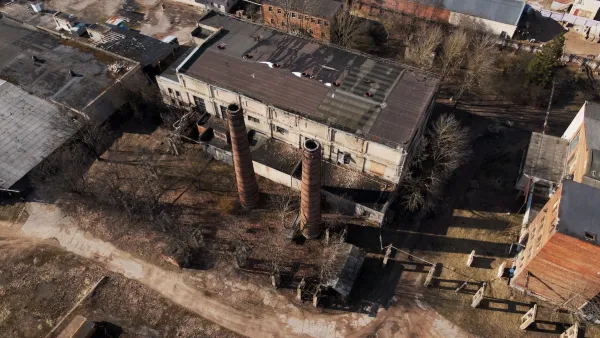
Wisconsin Awarded $12 Million for Brownfield Redevelopment Amid Broader EPA Budget Cuts
The EPA provided the funding to Wisconsin for brownfield cleanups in cities like Milwaukee and Racine, even as broader agency budget cuts under the Trump administration raise concerns about future environmental protection capacity.
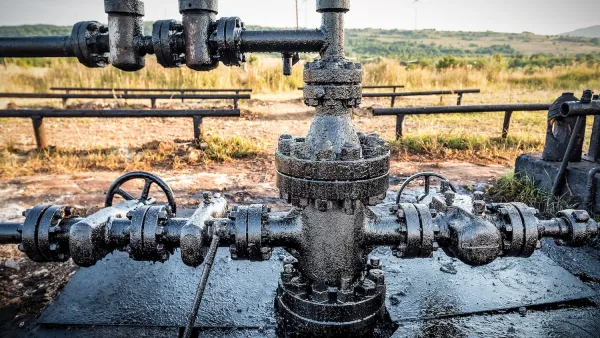
Mapping Groundwater Risks from Orphan Wells Across U.S. Aquifers
A new USGS study reveals that more than half of the nation’s documented orphan wells lie within aquifers supplying the vast majority of U.S. groundwater, posing widespread risks of contamination from aging, unplugged infrastructure.
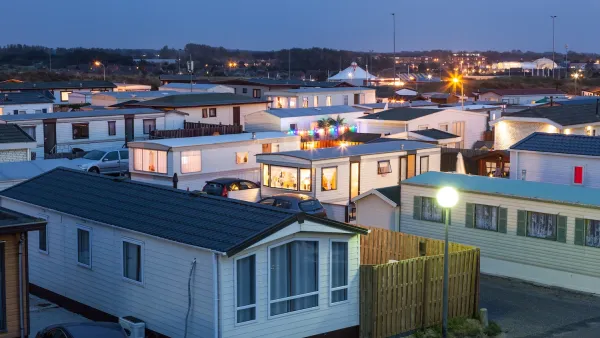
Poor Conditions in Mobile Home Parks Put Residents at Risk
Failing infrastructure, poor water and air quality, and predatory owners endanger the health of manufactured home residents, many of whom are elderly and low-income.
Comment: EPA Cuts will Send Atlanta Back to Eye-burning Ozone, Lung-damaging Smog, and Raw Sewage in the Chattahoochee River
A veteran political journalist takes stock of the hard-earned ground Georgia stands to lose with slashed environmental protection.
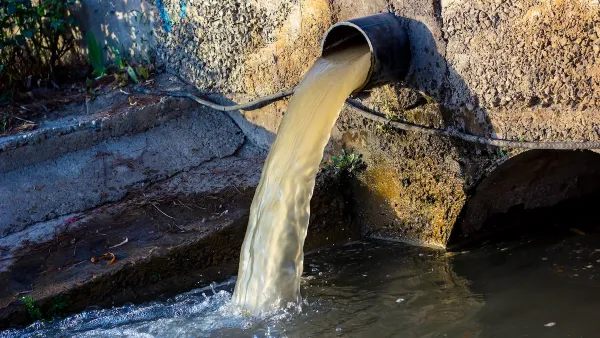
Alabama: Trump Terminates Settlements for Black Communities Harmed By Raw Sewage
Trump deemed the landmark civil rights agreement “illegal DEI and environmental justice policy.”
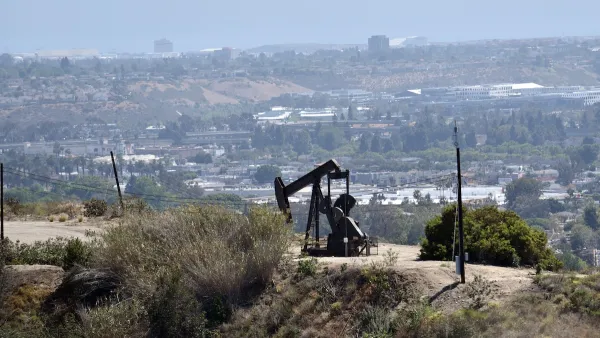
Tracking the Invisible: Methane Leaks From LA’s Neighborhood Oil Sites
Environmental advocates are using infrared technology to monitor and document methane leaks from neighborhood oil sites, filling regulatory gaps and pushing for stronger protections to safeguard community health and the climate.
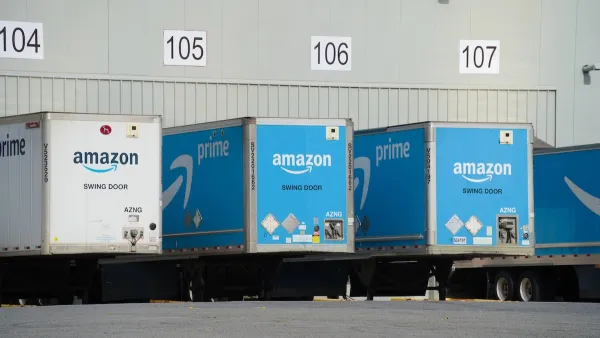
Poorest NYC Neighborhoods Pay Price for Delivery Boom
The rise of ‘last-mile’ e-commerce warehouses — and their attendant truck traffic and air pollution — is disproportionately impacting the most historically disadvantaged parts of the city.
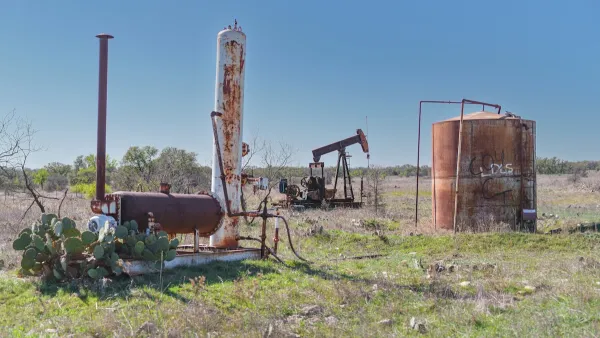
Using Old Oil and Gas Wells for Green Energy Storage
Penn State researchers have found that repurposing abandoned oil and gas wells for geothermal-assisted compressed-air energy storage can boost efficiency, reduce environmental risks, and support clean energy and job transitions.
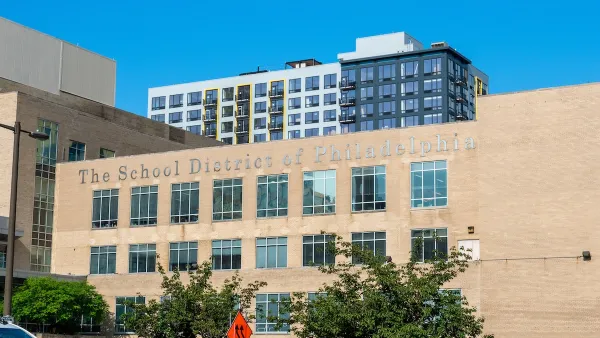
Concrete to Community: A Schoolyard Makeover in West Philly
With guidance from the Trust for Public Land, third graders at Overbrook Elementary are leading the redesign of their asphalt schoolyard into a vibrant green space, learning valuable skills and creating lasting community impact in the process.
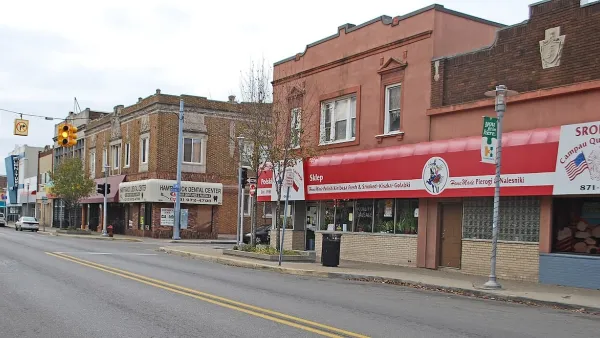
Research: Walkability Linked to Improved Public Health
A study reveals that the density of city blocks is a significant factor in communities’ walkability and, subsequently, improved public health outcomes for residents.
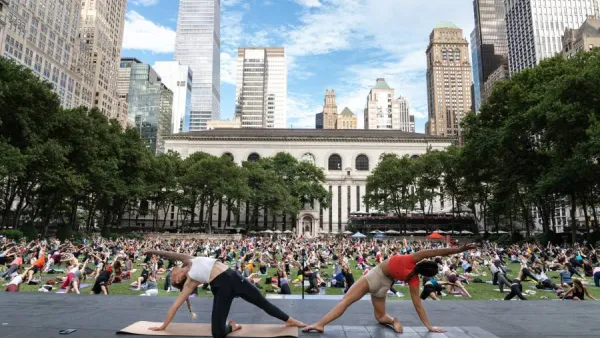
The Panacea of Outdoor Human Movement
Humans relish in over-complicating things, but the sweetest and healthiest things in life are the simplest.
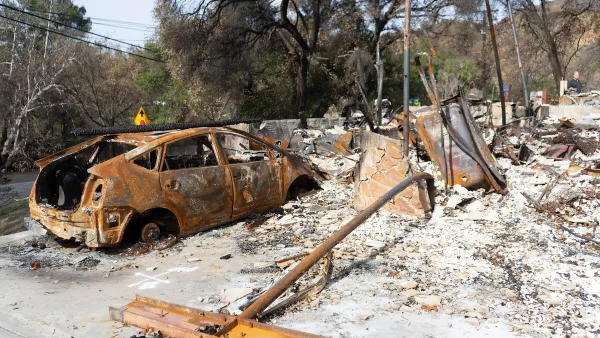
The Unseen Aftermath: Wildfires’ Lasting Health and Emotional Burden
Wildfires in Los Angeles not only pose immediate physical health risks but also lead to long-term respiratory problems and mental health struggles, underscoring the need for a coordinated public health response to mitigate their lasting effects.
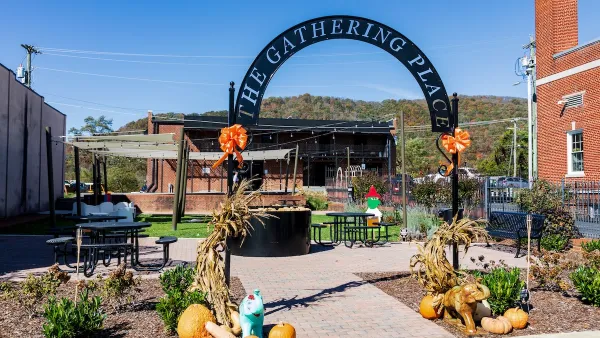
Report: The State of Public Spaces
A 50-year-old institution takes stock of placemaking in the public realm today.

Study: Walkability Can Help Reduce Dementia Risk
Walkable neighborhoods offer natural opportunities to stay active and engaged with friends and neighbors, increasing residents’ chances of remaining mentally and physically healthy longer.

Take a Walk: Why Step Count Is the Most Valuable Fitness Metric
Step count remains the most valuable fitness metric for longevity and well-being, offering a simple yet powerful way to track daily movement, reduce health risks, and promote active lifestyles without reliance on complex data or technology.
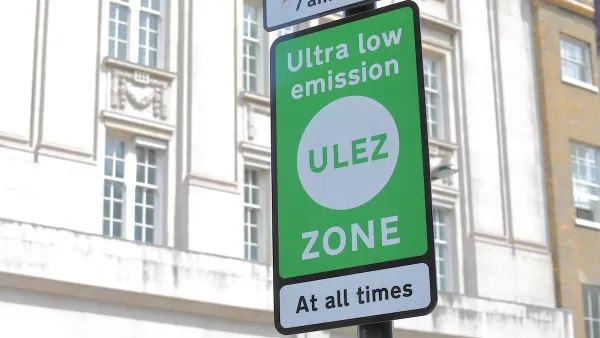
Study: London ULEZ Rapidly Cleaning up Air Pollution
Expanding the city’s ultra low-emission zone has resulted in dramatic drops in particle emissions in inner and outer London.
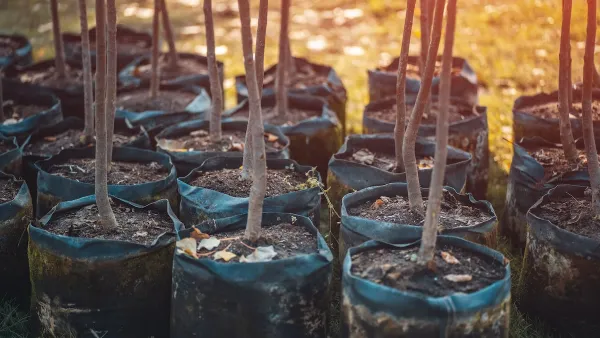
Forest Service Rescinds Tree Planting Grants
The $75 million program fell victim to the federal government’s purge of ‘DEI’-related projects.
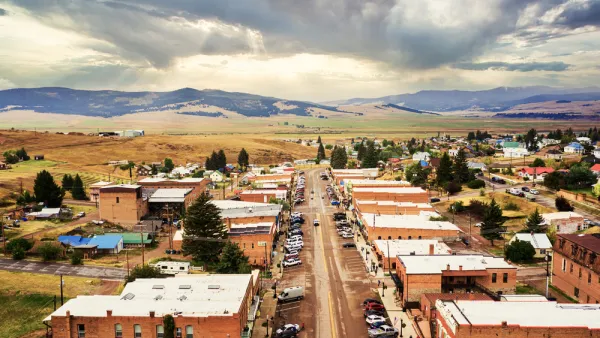
Study: Urban US Residents Have Higher Life Expectancy Than Rural Americans
A combination of economic and social factors leads to higher rates of disease and reduced access to healthcare for many rural residents.
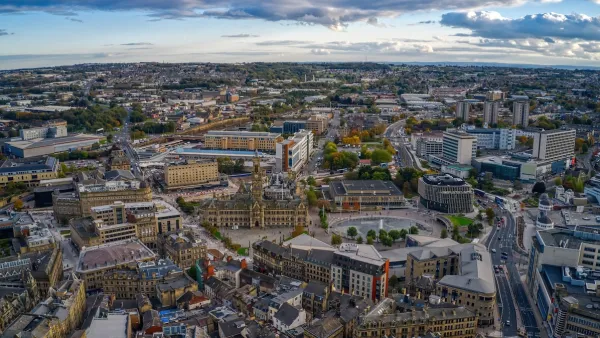
Clean Air Zone Nets Health Authority Over £30K per Month
A new study links the zone to a 25 percent drop in GP visits for lung and heart conditions in its first year alone.

FREE Course: Walkable City 1: Why Walkability?
After describing his path towards focusing on walkability as the essence of good planning, Jeff Speck marches through his five principal reasons for making more walkable places.
Reinventing Malls: Planning Alchemy—Turning Gray Fields Into Gold
The course focuses on the opportunities and imperatives that shape reinvention of mall sites.

KFH Group Inc.
Greater Baltimore Committee
Eagle County Government
The Architects Foundation
University of Cincinnati Online
The Pocatello Development Authority
The Urban Renewal Agency of the City of Pocatello