Privacy
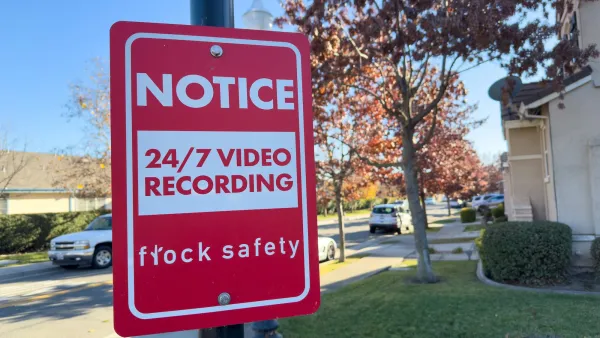
Flock cameras are now in 6,000 US communities
The automated license plate readers are causing backlash from community members concerned about surveillance and privacy.
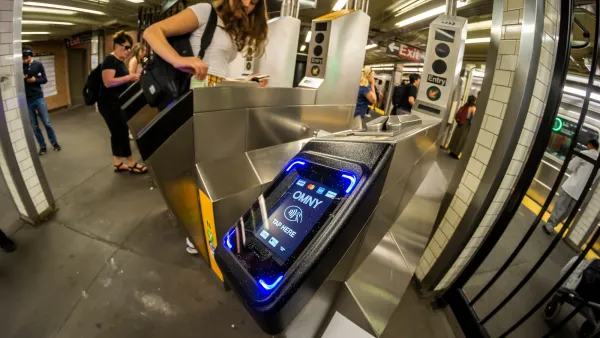
Popular transit payment system linked to Palantir could give ICE access to rider data
The tap-to-pay system is being used widely in transit systems including New York City, Boston and Chicago.

Why a Failed ‘Smart City’ Is Still Relevant
A Google-backed proposal to turn an underused section of Toronto waterfront into a tech hub holds relevant lessons about privacy and data.

Report: Cities Falling Behind on Security and Accessibility in 'Smart City' Tech
While cities around the world are introducing tech tools to improve services and increase their efficiency, many have failed to implement appropriate privacy and security protocols.
EU Could Ban Facial Recognition Tech in Public
The European Union is preparing to take a strong position in the global debate surrounding privacy and data rights.

Study: It's Not Hard to Connect Anonymous Data to Specific Individuals
People have had to take it on faith that data anoymization was adequate to the task of protecting privacy of individuals. Recent research suggests such faith was misplaced.
Once a Surveillance Secret, Palantir Manual Becomes Public
The secret manual for the use of facial recognition and data collection software company Palantir was made public thanks to a FOIA request. It includes instructions on how to find a complete account of a person's movements.
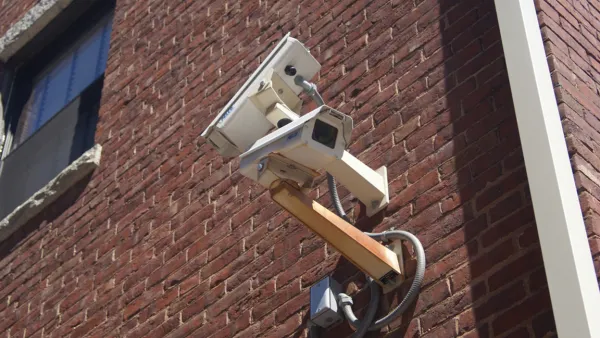
The Dangers of Facial Recognition Software
Facial recognition software has the possibility to change public life completely. Countries and cities should be careful to consider the consequences of adopting the technology.
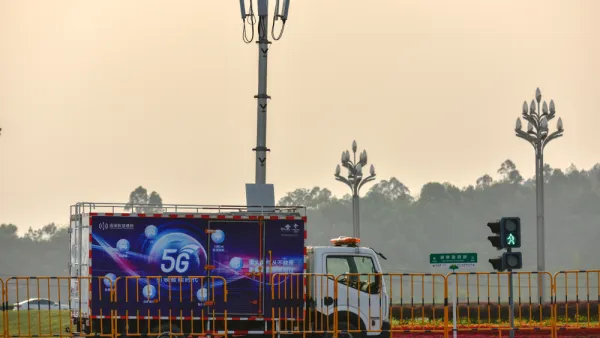
4 Regulatory Complications of 5G Infrastructure Development
The implementation of 5G Internet infrastructure raises fundamental questions about how private companies operate in the public realm. Don't expect easy answers.

IKEA Report: Many Americans Seek Solitude in Their Cars
An international survey from IKEA finds fewer Americans feel at home in the place where they live.
California to Regulate Security of IoT Devices
A recently approved California bill will set a legislative standard in the U.S. for basic Internet of Things security.
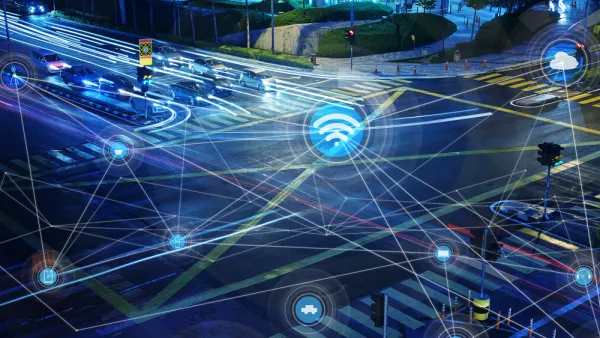
Europe Slaps Data Collected by Cities
Cities collecting personally identifiable data, by the government or through any third party, are responsible to abide by the General Data Protection Regulation (GDPR) rules, just like any other organization collecting data.
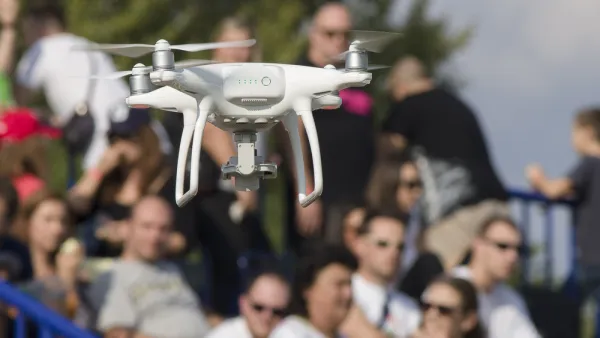
Internet of Things Brings More Surveillance and Vulnerabilities to Cities
Too often, smart city technology is described as an innocuous tool, but Adam Greenfield argues the technology acquiring this data will be used to distribute city resources, an inherently political act.
Op-Ed: Facial Recognition on Transit Goes a Step Too Far
Despite its insistence that the technology would only target criminals, Dallas Area Rapid Transit (DART) should reconsider using facial recognition software to address crime. The potential for abuse may be too high.
Cities Should Stop Electronic Warrantless Surveillance
From ALPR cameras mounted on garbage trucks to IMSI catchers such as Dirtboxes and Stingrays, local authorities have increased exponentially the amount of electronic surveillance, with little regard for the basic principles of privacy.
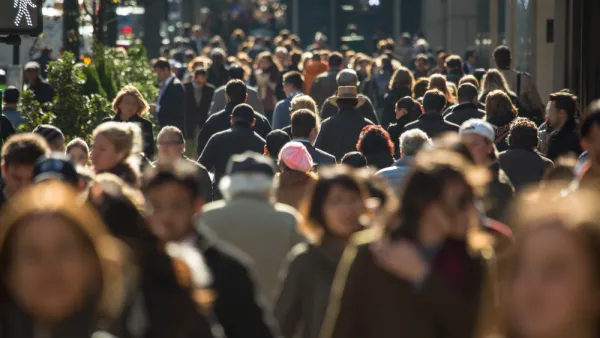
It Is Now Next to Impossible to Reside Anonymously in a Big City
It is now next to impossible to reside anonymously in a modern city. Why? Because data anonymization itself is almost impossible without using advanced cryptography. Our every transaction leaves a digital marker that can be mined by anyone...
Private Cellphone Data and the Next Frontier of Urban Planning
A survey of the quickly broadening reach of data about the movement of traffic reveals the next step necessary to achieve congestion nirvana: unfettered access to private cell phone data.
Mileage Fee Worries in the Golden State
California's mileage fee pilot program legislation is now law. Dan Weikel of the Los Angeles Times raises two concerns drivers have regarding the switch to a mileage-based fee from a gas tax: privacy and fairness.
Oil and Water: Connected Cars and Privacy
Jeremy Cato pens an editorial on the dark side of connected cars—the data necessary to track and integrate so many card will allow unprecedented invasions of privacy.
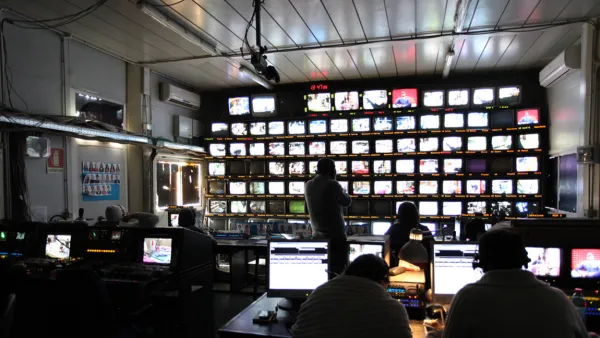
Jittery Places, Reducing the Right to Just Be
You’re being monitored. Everything you are is tracked and stored in a data centre. How do you feel about these digital and physical forms of regulation? Do they make you jittery? Do you feel more secure? Are you a wiser consumer?

FREE Course: Walkable City 1: Why Walkability?
After describing his path towards focusing on walkability as the essence of good planning, Jeff Speck marches through his five principal reasons for making more walkable places.
Reinventing Malls: Planning Alchemy—Turning Gray Fields Into Gold
The course focuses on the opportunities and imperatives that shape reinvention of mall sites.

Harvard University Graduate School of Design
KFH Group Inc.
Greater Baltimore Committee
The Architects Foundation
University of Cincinnati Online
The Pocatello Development Authority
The Urban Renewal Agency of the City of Pocatello