Population Growth
Report: Downzoning Fails Demographics on Chicago's Northside
Lakeview, on the North Side of Chicago lost one percent of its total households between 2000 and 2011, while its population grew 11 percent. That means more families, but according to a new report, the neighborhood might need new zoning to keep up.
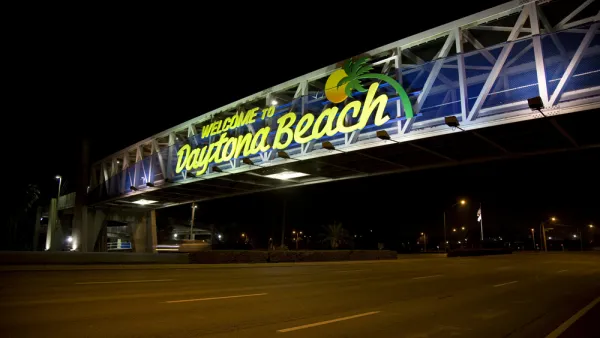
Where Suburbs Outgrew Core Cities
In some places in the United States, mostly in Florida, some suburban cities have become the big kids on the block.
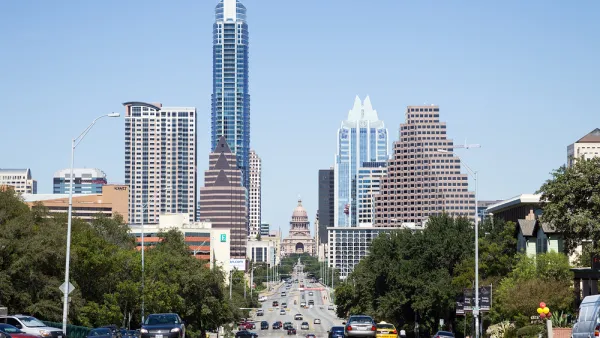
How Austin Paved Paradise and Put up a Parking Lot
A local blogger takes umbrage with claims that Austin's density is causing its traffic problems. The obvious problem with that argument: Austin is 68% as dense now as it was in 1950.
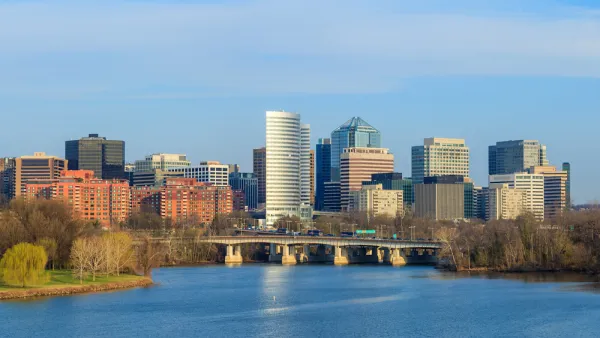
The Suburbs Are Dead; Long Live the Suburbs
A recent spate of articles pronounced the resurrection of the suburb, so CityLab laid the false dichotomies that drive such proclamations to rest.

Oklahoma City's Plan to Attract and Retain Millennials
The Oklahoma Gazette takes an in-depth look at the city's efforts to attract and retain millennials.
London Peaking in Population Again (For the First Time Since 1939)
The city of London has completed a long and remarkable comeback to the population level set as its standard back in 1939.
Sunshine State Overtakes Empire State as Third Most Populous State
William H. Frey, Brookings Institution demographer, writes on the latest Census Bureau demographic data. California and Texas remain number one and two respectively. New York had 19.7 million residents on July 1, 2014, Florida 19.9 million people.
California's Moderate Population Growth: The New Normal
New demographic data released Dec. 11 by the state Department of Finance shows the state grew by 335,000 people to 38.5 million, nearly one percent, despite a declining birth rate. While the most in six years, the growth rate has slowed overall.
Study Complicates Relationship of Population Growth, Emissions Reduction
More people translates to more emissions, right? Cut back on population growth and you'll reduce emissions and the threat of climate change, along with other environmental woes—it's a no-brainer. Or is it?
China's Baby Bust
When China relaxed its rigid one-child policy last November, health officials were expecting an additional two million births to result. As of Sept. 30, they have received only 804,000 applications from eligible couples.
Latest American Community Survey: Continued Growth for (Some) Cities
According to the latest figures from the U.S. Census 2013 American Community Survey (ACS), Americans continue to move into cities en masse over suburbs, but certain cities are attracting larger crowds than others.
Evidence of Peak Sprawl in the New York Region
"A new report out of Rutgers University reveals that since 2010, the fringes of the New York region have lost population as the core has grown," according to an article by Stephen Miller.
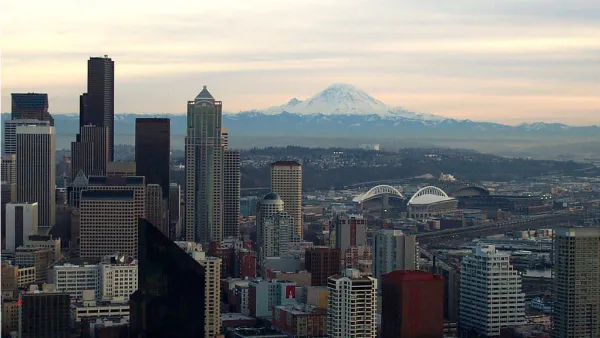
Growth Battles Heating up in Seattle
The growth of Seattle growth is inflaming passions on either side of the issue—some claim that the city wants everyone to "live in cubicles"; others say the city isn't doing enough to prepare for 120,000 expected new residents.
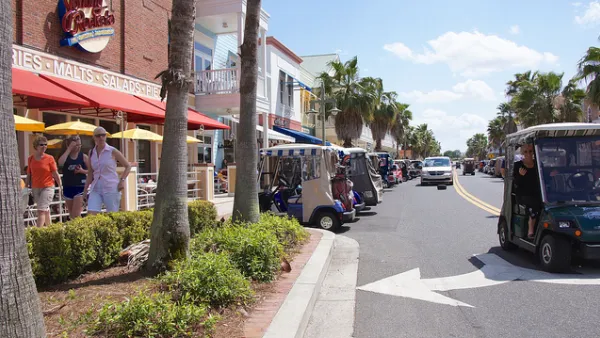
The Fastest Growing Small Cities In America
Joel Kotkin explores the small cities that are growing the fastest in the United States, and what factors lead to this growth.
London's Height Debate Reaches Fever Pitch
In the midst of a building boom and expecting another 1.4 million residents to live in the city by 2031, London is embroiled in a debate about how it should meet housing demands.
Seeking Input: Atlanta's 'Plan 2040'
Plan 2040 is the Atlanta region's plan to accommodate about 3 million new residents in the next 25 years. A new survey is looking for feedback about just how the region should approach that staggering growth.
Boston to Test Extended Parking Restrictions in Southie
An influx of new residents has also meant an influx of residential parking passes in the Southie neighborhood of Boston. Can a pilot program to extend residential parking restrictions (from four nights a week to seven) quell the "crisis"?
North Dakota 'Man Rush' Compared to Historic Population Booms
Jens Manual Krogstad provides historical context for the migration to oil boom jobs in North Dakota by comparing the current "man rush" to the silver rush in late 1800s Colorado and the Alaskan oil boom of the 1970s.

Census Data: Millennials Choosing the Suburbs; Babies Booming in Big Cities
Jed Kolko analyzes 2013 population estimates by age group for counties—the U.S. Census released the data late last week.

Friday Eye Candy: Historic Visualization Tracks U.S. Growth from 1790 to 1890
The visualization has something for everyone: a colorful visualization of population trends for the data geeks, a vintage look and feel for the hipsters, and the competitive aspect of comparing cities to each other for everyone else.

FREE Course: Walkable City 1: Why Walkability?
After describing his path towards focusing on walkability as the essence of good planning, Jeff Speck marches through his five principal reasons for making more walkable places.
Reinventing Malls: Planning Alchemy—Turning Gray Fields Into Gold
The course focuses on the opportunities and imperatives that shape reinvention of mall sites.

City of Rosemead
Rutgers University, Edward J. Bloustein School of Planning and Public Policy
One Hundred Miles
Hunter College, City University of New York (CUNY)
The Architects Foundation
University of Cincinnati Online
City of Cambridge
Montrose County
The Pocatello Development Authority









