Jed Kolko analyzes 2013 population estimates by age group for counties—the U.S. Census released the data late last week.



Kolko explains the relevance of the Census data release: "[the] new data tell us whether key demographic groups – like millennials (20-34 year olds), boomers (50-69 year olds), and young kids (0-4 year-olds) – might be bucking the broader trend of more suburban counties growing faster than the most urban counties."
Here's how Kolko describes the narrative revealed by the data: "millennial population growth in 2012-2013 in big, dense cities was outpaced by big-city suburbs and lower-density cities and even by lower-density suburbs and smaller cities. Boomer growth in big, dense cities also fell just short of growth in the big-city suburbs and lower-density cities. But the population of kids under the age of 5 grew fastest in big, dense cities."
Plenty more detail is offered in the article's breakdown by age group, but here are the headlines: "Millennials Not Flocking to Big Cities," "Boomers Getting More Urban," and "The Big-City Baby Boom."
Read the full story: Millennials Are Suburbanizing, While Big Cities Are Having a Baby Boom


A Geography of Aging in the U.S.
Peter Rogerson crunches the numbers on 50 years of demographic shifts.
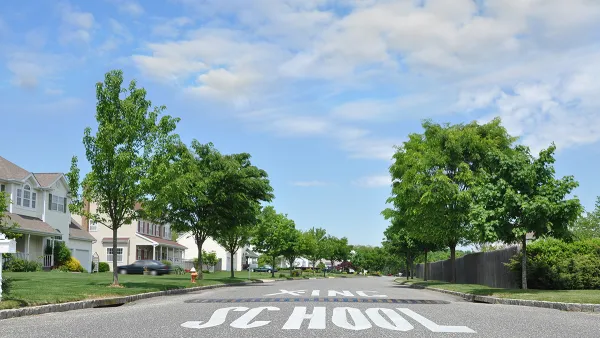
Pushing Back on 'Suburban Triumphalism'
Interested observers have been predicting a crest of the American "back to the city" movement for years now—the idea that as Millennials come of age they will lose interest in urban lifestyles and seek the comfort of the suburbs.
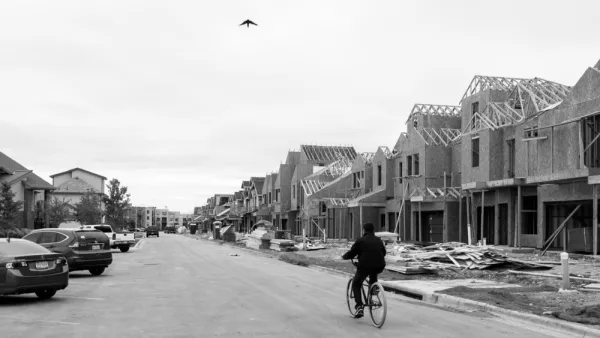
For Discussion: Why Are More Millennials Choosing the Suburbs?
A trio of journalists gathers to discuss statistics that show the trends of U.S. population growth has shifted to suburban areas.

Planetizen Federal Action Tracker
A weekly monitor of how Trump’s orders and actions are impacting planners and planning in America.

Amtrak, CN end decades-long dispute with eight-year agreement
The new operating agreement establishes an updated framework for the companies to work together, including processes to resolve disputes.

Judges permit Denver to divert 77,000 acre feet from the Colorado River for reservoir expansion
Overuse and climate change have caused the Colorado River’s water levels to plummet.

NYC DOT wants faster, more permanent street upgrades
The city is examining ways to build more concrete infrastructure without getting entangled in 'decades-long' projects.

'Something we’ve never seen before:' rising utility rates could strain city finances nationwide
Data centers, climate change and other factors have caused utility rates in the United States to increase by 38% since 2020.

Trump to overrule local leaders, lease millions of acres of America’s Pacific Island territories’ seafloors to mining companies
International law says that the Indigenous people of America’s territories have a right to prior and informed consent regarding projects that impact their countries.

FREE Course: Walkable City 1: Why Walkability?
After describing his path towards focusing on walkability as the essence of good planning, Jeff Speck marches through his five principal reasons for making more walkable places.
Reinventing Malls: Planning Alchemy—Turning Gray Fields Into Gold
The course focuses on the opportunities and imperatives that shape reinvention of mall sites.

Harvard University Graduate School of Design
KFH Group Inc.
Greater Baltimore Committee
The Architects Foundation
University of Cincinnati Online
The Pocatello Development Authority
The Urban Renewal Agency of the City of Pocatello