Pedestrian Safety
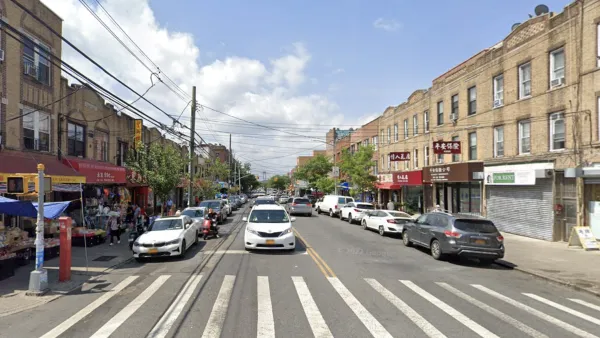
DOT Scraps Safety Plan for Two Brooklyn Avenues
An ambitious proposal to build protected bike lanes and install traffic calming measures on two dangerous Brooklyn avenues has been nixed by the agency, which plans to develop a new proposal in the coming months.
Traffic Safety Declining in U.S., Bucking Global Trend
While other countries are seeing fewer road deaths, traffic violence in the United States is back on the rise.
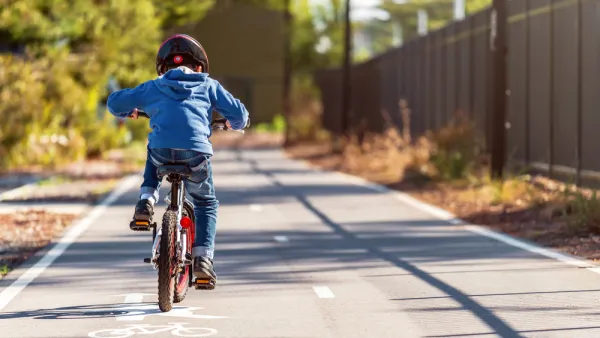
What Is Bike Infrastructure?
Safe and comprehensive bike facilities play a crucial role in keeping vulnerable road users safe, promoting biking as an everyday transit mode, and reducing carbon emissions and traffic congestion by encouraging a shift to more multimodal transportation.
Federal Government Pushes Collaboration on Road Safety
Guidance from federal agencies encourages states and cities to focus on pedestrian and cyclist safety, but the Biden administration has stopped short of any legally binding mandates.
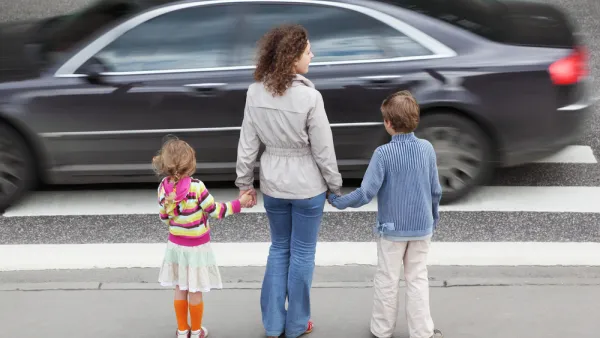
Friday Funny: Crossing the Street? Good Luck!
The Onion says the quiet part out loud to illustrate the real philosophy behind many road safety strategies.
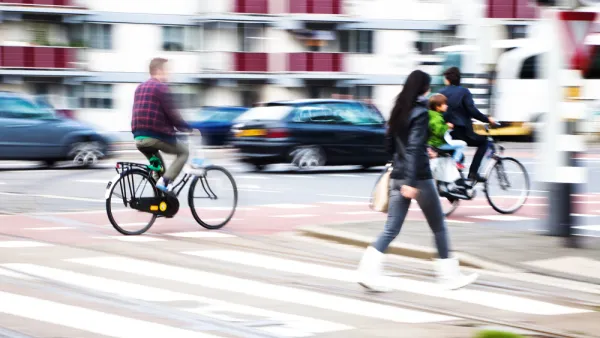
Vision Zero Cities Journal 2022: Traffic Safety Guidance for a Safer Future
The Vision Zero Cities Journal provides information on traffic safety innovations and the global movement toward Vision Zero.
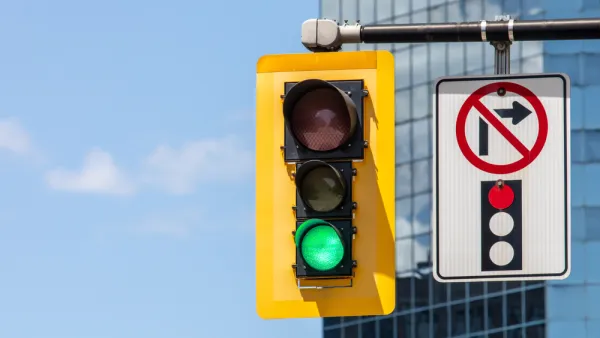
How Right Turns on Red Became the Norm
Born out of the oil crisis of the 1970s, the practice of turning right on red lights is a uniquely American—and uniquely dangerous—custom.
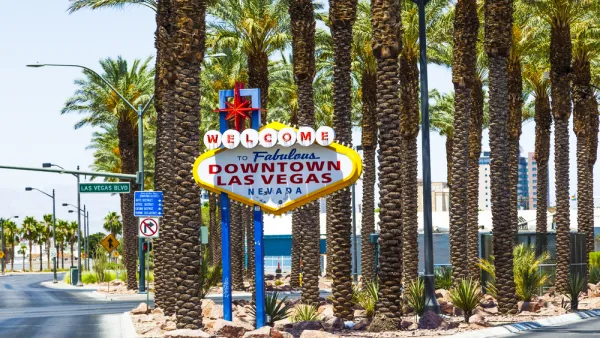
Downtown Las Vegas Begins Complete Streets Work
Stewart Avenue will undergo a makeover to make it safer and more accessible for pedestrians.
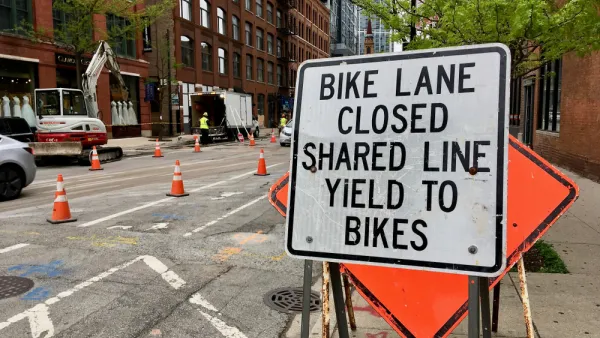
Opinion: Traffic Calming Shouldn’t Be Optional
Road infrastructure that fails to make dangerous driving behavior feel risky to drivers is ineffective in protecting pedestrians and people on bikes.
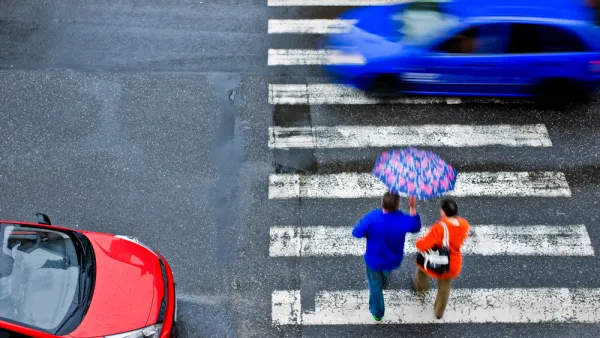
A Legal Perspective on Transportation Safety
Legal scholars are showing how the federal government frustrates pedestrian safety.
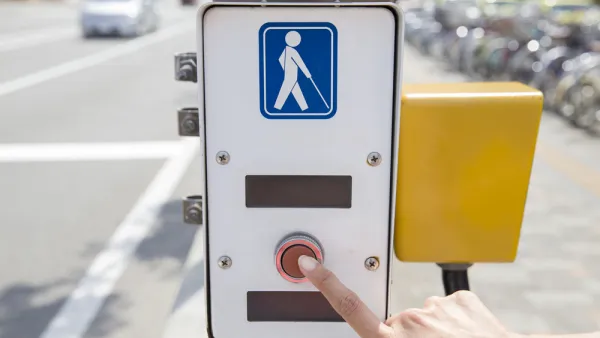
The Sound of Silence: Designing Electric Vehicles for Safety
Near-silent electric vehicles pose a danger to people with visual impairments, so engineers are studying ways to make the vehicles audible while maintaining the benefits of quieter streets.
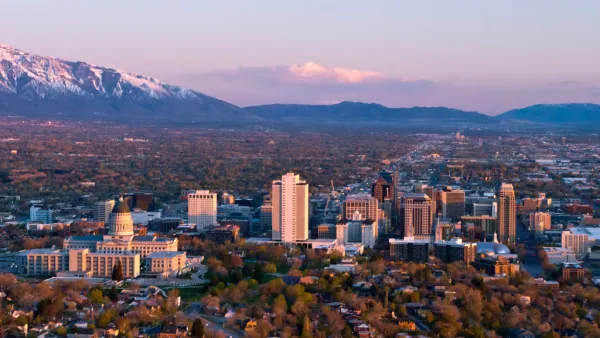
Salt Lake City Streets To Get Traffic Calming
After a 19-year hiatus, the city is restarting its traffic calming program to combat the growing pedestrian death crisis.
How Communities Can Leverage Federal Vision Zero Funding To Make Streets Safer
Two safe streets advocates give their recommendations for how to effectively use the $1 billion in annual funding available through a federal grant program.
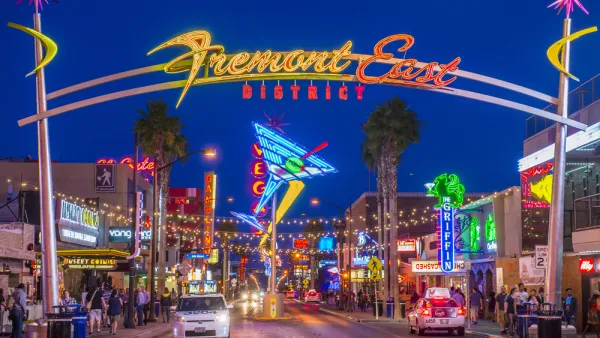
Las Vegas To Launch Vision Zero Initiative
The city is calling for public input to develop strategies for reducing traffic deaths and making Las Vegas safer for all road users.
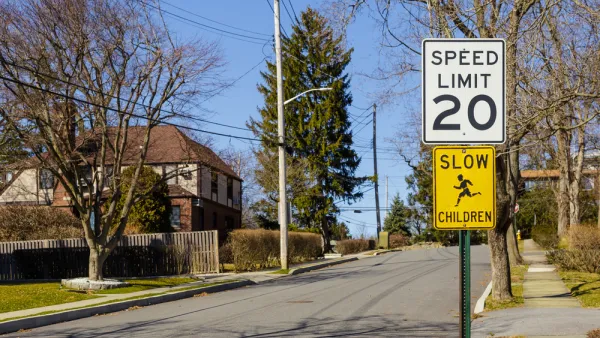
Tacoma Lowers Speed Limits as Part of Vision Zero Plan
The city voted to reduce speed limits on residential and some arterial streets in an effort to improve traffic safety and reduce the risk of death or serious injury when crashes occur.
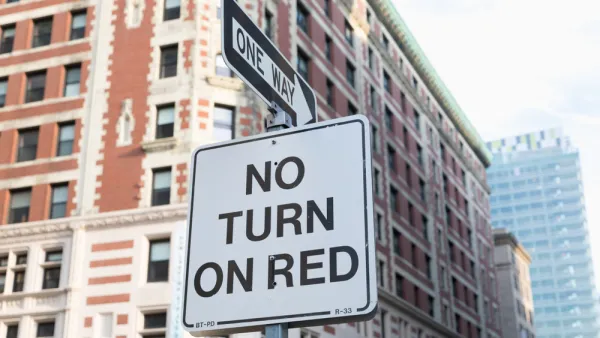
D.C. Could Legalize ‘Idaho Stop,’ Ban Right Turns on Red
Proposed legislation would allow cyclists to treat stop signs as yield signs and eliminate right turns on red in an effort to reduce cyclist and pedestrian fatalities.
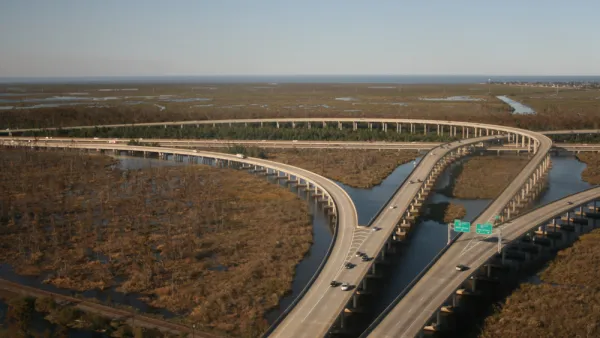
Louisiana Road Safety Plan Highlights Impaired Driving, Reckless Behavior
The plan focuses traffic safety efforts on distracted and impaired driving, seatbelt wearing, and speeding, with a small nod to infrastructural factors.
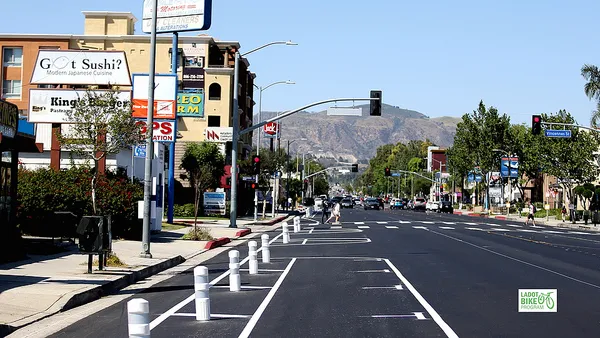
Caltrans Releases Complete Streets Action Plan
The agency’s detailed list of actions highlights the many changes needed to truly implement Complete Streets principles into California road construction and maintenance.
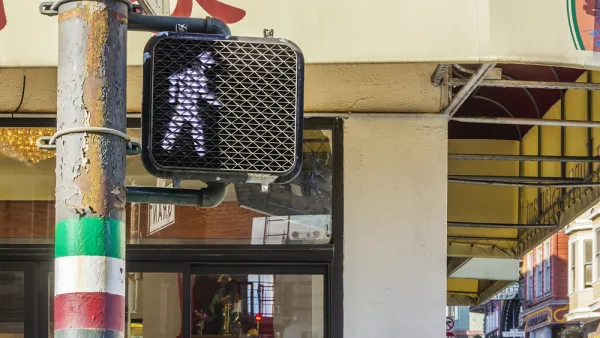
The Push To Decriminalize Jaywalking
Supporters of decriminalization argue that jaywalking laws don’t keep pedestrians safe and disproportionately burden Black and brown communities with fines.
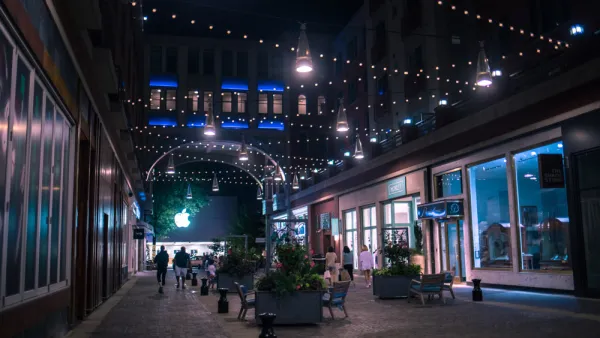
Montgomery County Planners Present Pedestrian Safety Proposals
The auto-centric county has been building new bike trails and pedestrian facilities, but more improvements are necessary to reduce the number of pedestrian deaths and injuries, planners say.

FREE Course: Walkable City 1: Why Walkability?
After describing his path towards focusing on walkability as the essence of good planning, Jeff Speck marches through his five principal reasons for making more walkable places.
Reinventing Malls: Planning Alchemy—Turning Gray Fields Into Gold
The course focuses on the opportunities and imperatives that shape reinvention of mall sites.

City of Rosemead
Rutgers University, Edward J. Bloustein School of Planning and Public Policy
One Hundred Miles
University of Michigan School for Environment and Sustainability (SEAS)
Hunter College, City University of New York (CUNY)
The Architects Foundation
City of Cambridge
Montrose County
The Pocatello Development Authority









