Pedestrian Safety
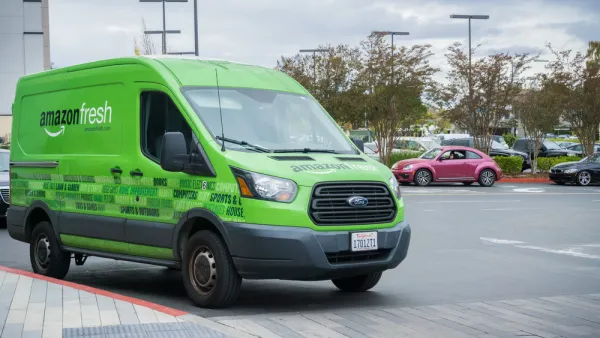
How Does Freight Fit Into Complete Streets?
As home delivery of everything from groceries to furniture becomes more popular, policymakers must evaluate how to keep streets safe and accessible for pedestrians and other vulnerable users.
Federal Rules Let States Count More Road Deaths as 'Progress'
The majority of federal infrastructure funding is not tied to federal requirements, letting states set their own targets for road safety and improvements.
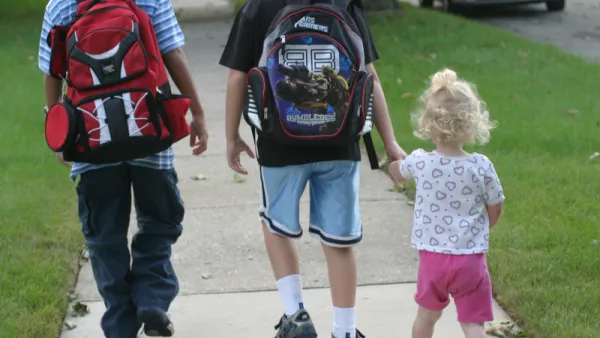
School District Takes on Traffic Safety
A school district in North Carolina is leading an effort to improve road safety for students and school staff who walk or bike to school.
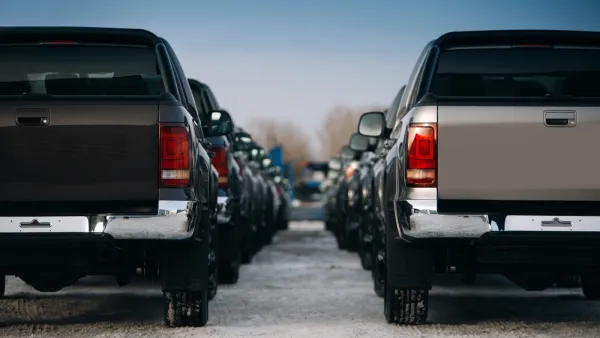
Bigger Vehicles, Blindspots Contributing to More Pedestrian Deaths
A new study links bigger vehicles to a sharp increase in pedestrian deaths over the last decade.
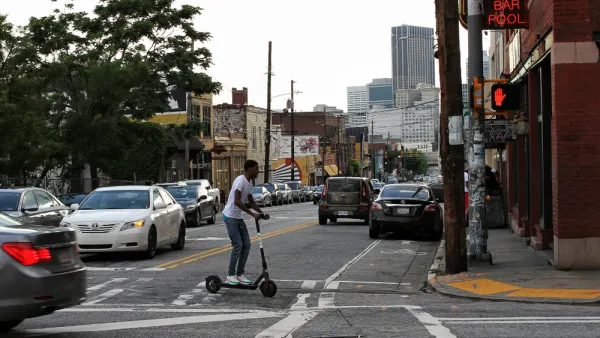
Atlanta Urges Tactical Urbanism To Speed Up Vision Zero Goals
The city's department of transportation has released a guide to help community groups implement low-cost 'tactical urbanism' projects.
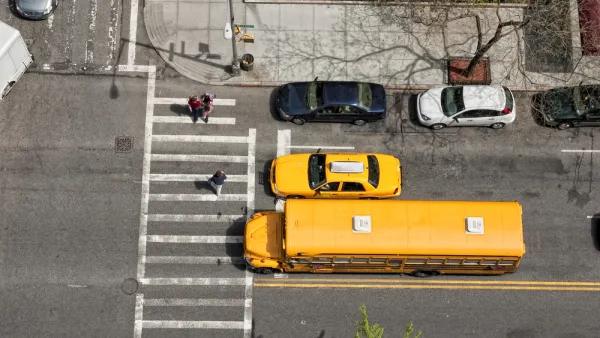
NHTSA Could Expand Safety Requirements to Include Pedestrians
In a radical shift from prior policy that singled out passenger safety, new cars could be required to include more features that protect people outside the vehicle.
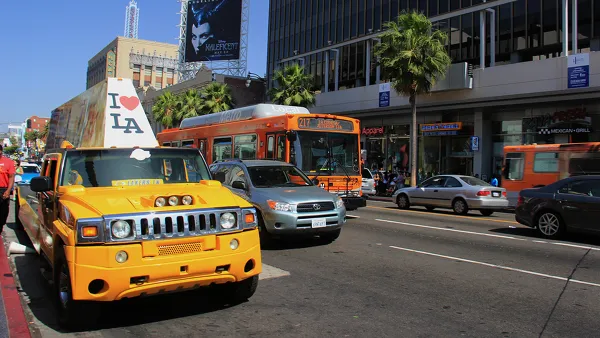
Los Angeles To Reduce Speed Limits on 177 Miles of Streets
The city approved speed limit reductions on close to 200 miles of city roads in an effort to reduce traffic deaths and move closer to Vision Zero.
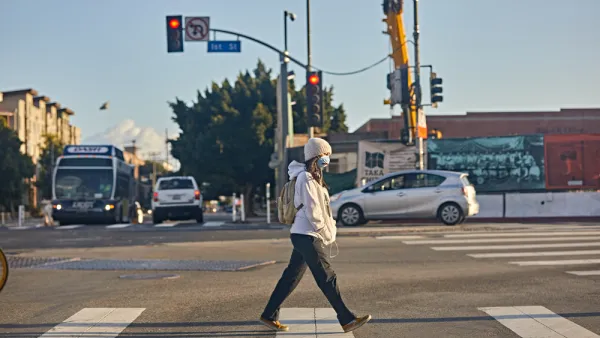
Proposed Ballot Measure Would Require L.A. To Enforce Own Mobility Plan
The city's 2015 mobility plan was hailed as one of the nation's most ambitious, but progress toward its goals has been less than impressive.
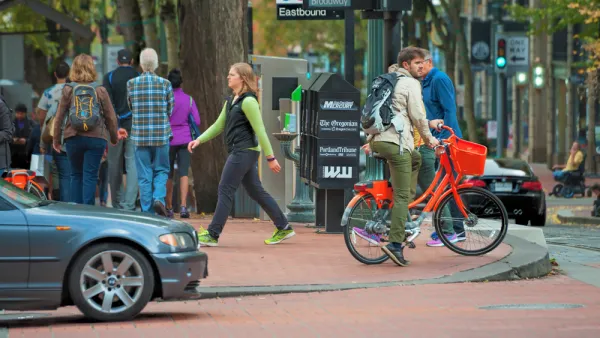
Traffic Deaths Reach Three-Decade High in Portland
In spite of the city's commitment to Vision Zero goals, more people died on Portland's streets than anytime in the last thirty years, with unhoused people most vulnerable to traffic violence.
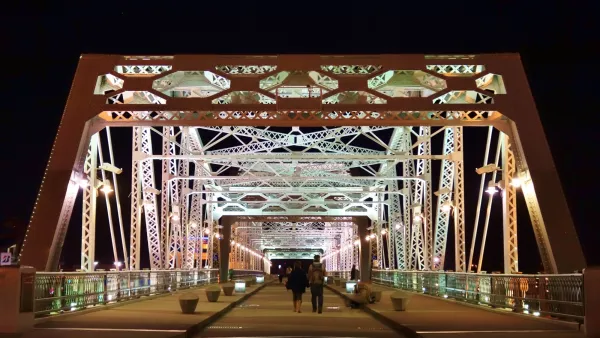
Nashville Releases 5-Year 'WalknBike' Plan
The plan lays out the city's plans for improving its bike infrastructure and sidewalk network.
Why a Complete Streets Makeover Went Awry in Philadelphia
The city pulled the plug on a proposed street redesign after community groups criticized the public engagement process for not listening to all local voices.
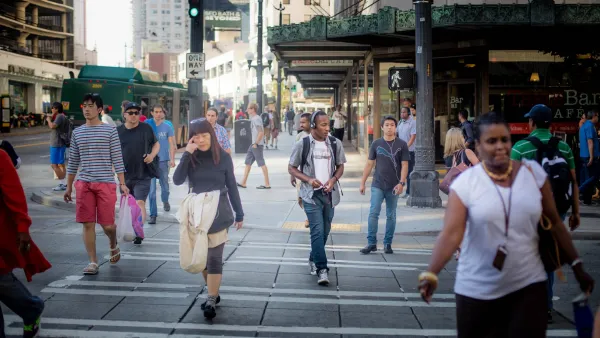
Seattle Rule Change Makes it Easier to Add Crosswalks
Rather than looking at current pedestrian counts, the city will use a newly developed set of 'pedestrian generators' to evaluate the need for new painted crosswalks.
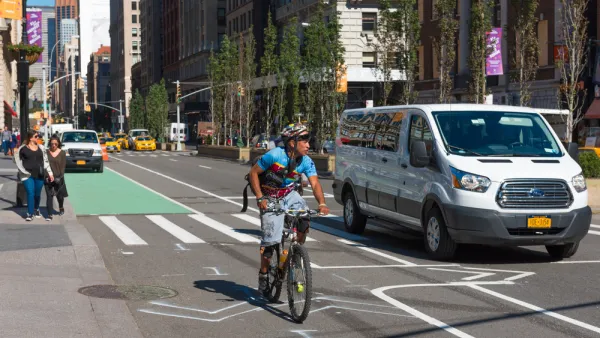
New York Legislature To Vote on Complete Streets Bills
A set of proposed laws would make streets safer for all road users in an effort to reduce traffic deaths.
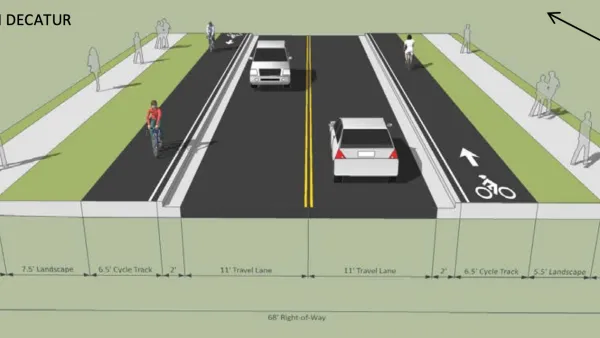
Separated Bike Lanes, Traffic Calming Coming to Decatur Street
Decatur's Church Street is set to undergo a transformation that will reduce traffic lanes, add cycletracks, and widen sidewalks in an effort to make the corridor more 'people-friendly.'
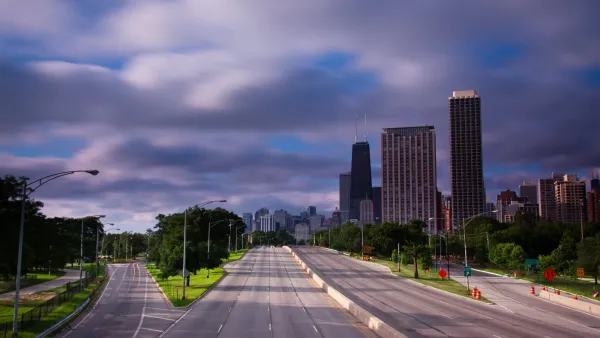
What Is Car-Centric Planning?
'Car-centric planning' refers to urban planning that privileges the private automobile as a primary transportation mode, often to the exclusion of people who walk, bike, or use public transit.
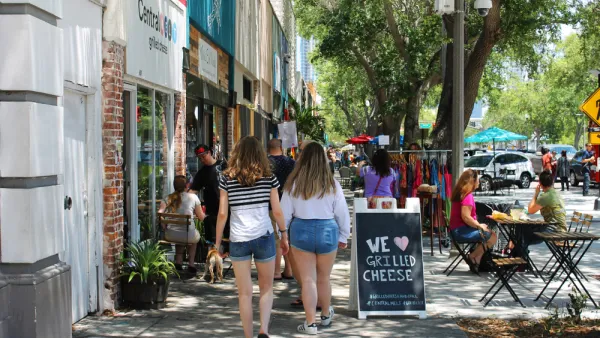
AARP Releases DIY Walk Audit
An updated 'walk audit toolkit' lets you assess pedestrian safety in your neighborhood and advocate for improvements.
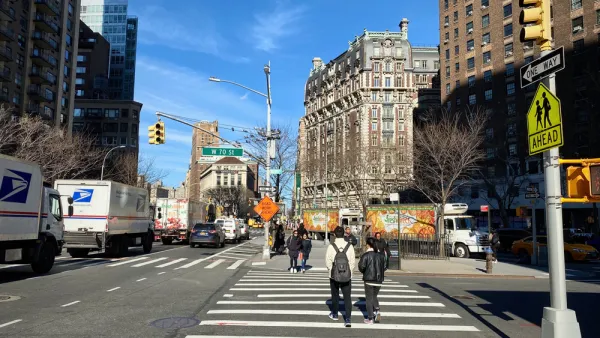
Study: Speed Camera Citations Correlate to Safe Infrastructure
New research suggests that fewer speeding tickets are issued in neighborhoods where the city has invested in traffic calming and pedestrian safety improvements.
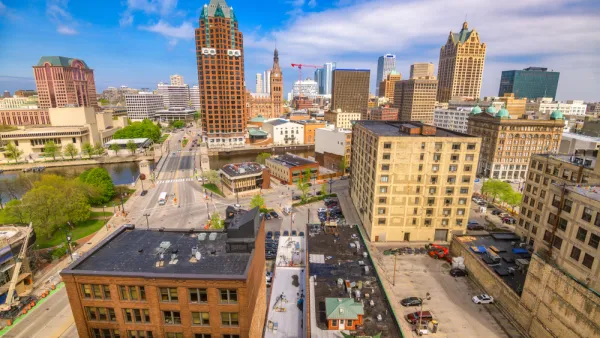
Milwaukee Traffic Safety Projects To Receive $8.5 Million in TIF Funds
The city hopes to combat a growing reckless driving 'crisis' with traffic calming, bike lanes, and other projects aimed at improving roadway safety.
Unlike Smaller Cars, 'Megacars' Drove More in 2020
The increase in miles driven by light trucks and other 'megacars' could have contributed to the rise in traffic deaths, despite an overall reduction in VMT.
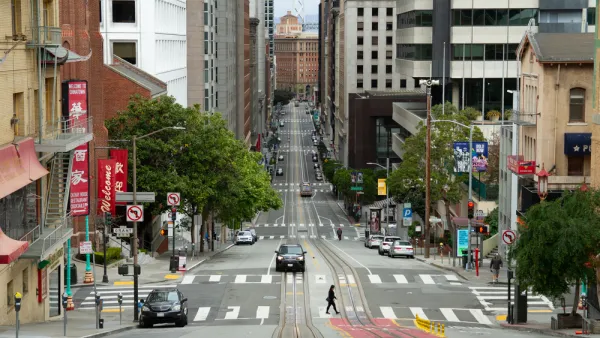
San Francisco's Crosswalk Inequity
A new study shows a disparity between the frequency of crosswalks in San Francisco's northern and southern neighborhoods.

FREE Course: Walkable City 1: Why Walkability?
After describing his path towards focusing on walkability as the essence of good planning, Jeff Speck marches through his five principal reasons for making more walkable places.
Reinventing Malls: Planning Alchemy—Turning Gray Fields Into Gold
The course focuses on the opportunities and imperatives that shape reinvention of mall sites.

City of Rosemead
Rutgers University, Edward J. Bloustein School of Planning and Public Policy
One Hundred Miles
University of Michigan School for Environment and Sustainability (SEAS)
Hunter College, City University of New York (CUNY)
The Architects Foundation
City of Cambridge
Montrose County
The Pocatello Development Authority









