Guidance from federal agencies encourages states and cities to focus on pedestrian and cyclist safety, but the Biden administration has stopped short of any legally binding mandates.



As part of the 2021 infrastructure law’s call for states to assess road safety and identify strategies for protecting vulnerable road users, the Federal Highway Administration (FHWA) is encouraging states to collaborate more closely with local governments on efforts to make roads safer for pedestrians, cyclists, and others. According to an article by Daniel C. Vock for Route Fifty, “As part of the infrastructure law, states must compile data on vehicle crashes involving non-motorists. They also are required to track demographic data about the people killed in those crashes, and in the areas where the crashes occurred.”
Vock continues, “The highway agency’s 19-page guidance document fleshes out how states can comply with the new reporting mandate. But the recommendations do not have the force of law.” The Biden administration continues to push safety as a key factor that should drive transportation policy moving forward. According to Transportation Secretary Pete Buttigieg, “Not just dedicated highway safety dollars but every penny [of state transportation funding] could and should do something about transportation safety.”
The agency’s guidance document encourages states to use a variety of available sources, such as local governments, to gain a more complete understanding of traffic safety issues and the most dangerous roads and intersections.
Read the full story: Feds Call for State-Local Cooperation on Pedestrian and Cyclist Safety


Proposed Bill Would Direct Funds to Road Safety
The Sarah Debbink Langenkamp Active Transportation Safety Act was spurred by the death of a U.S. diplomat who was killed on her bicycle.

Data Shows Chicago Speed Cameras Reduce Speeding, Crashes
Countering claims made by the Chicago Tribune that automated enforcement doesn’t improve safety, Streetsblog Chicago lays out the data showing how traffic safety fared in camera zones.
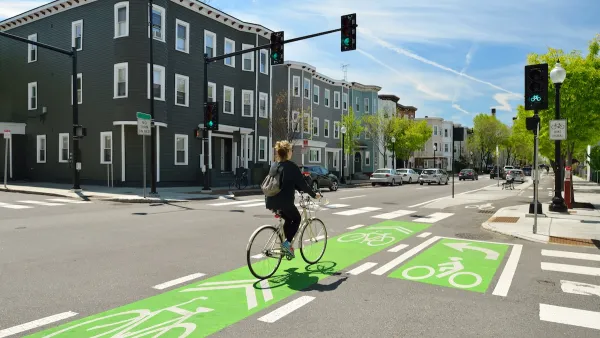
NACTO Releases Updated Urban Bikeway Guide
The third edition of the nationally recognized road design guide includes detailed design advice for roads that prioritize safety and accessibility for all users.

Planetizen Federal Action Tracker
A weekly monitor of how Trump’s orders and actions are impacting planners and planning in America.

The state-sanctioned urbicide of Austin
People don’t kill cities. Freeways do.

Colorado’s Largest Data Center Could Rise Next to Homes — Without a Public Hearing
The proposed campus would consume 11 times the power of Denver International Airport; as it has across the country, opposition mounts.

Judges permit Denver to divert 77,000 acre feet from the Colorado River for reservoir expansion
Overuse and climate change have caused the Colorado River’s water levels to plummet.
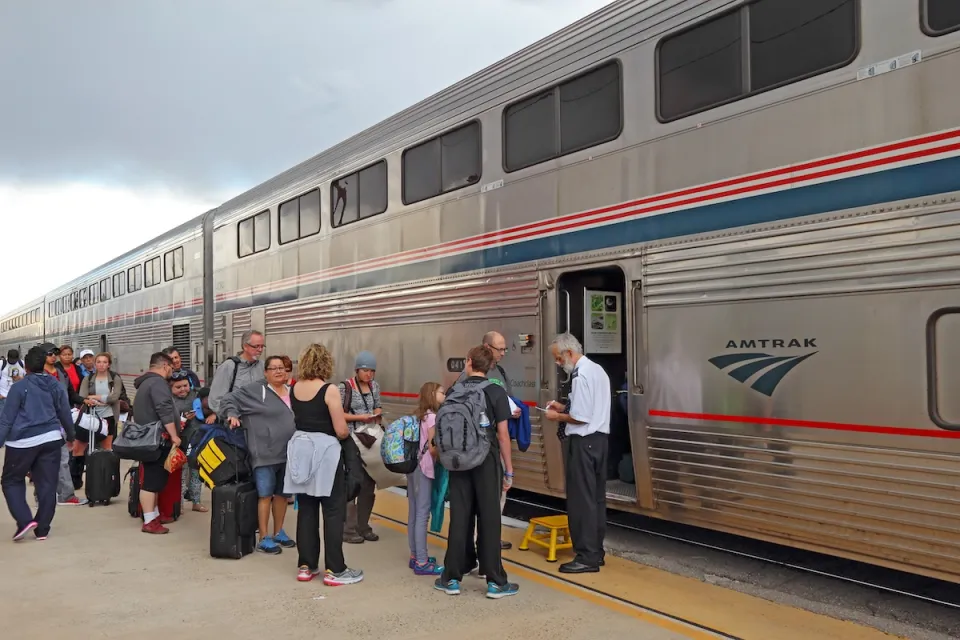
Amtrak, CN end decades-long dispute with eight-year agreement
The new operating agreement establishes an updated framework for the companies to work together, including processes to resolve disputes.
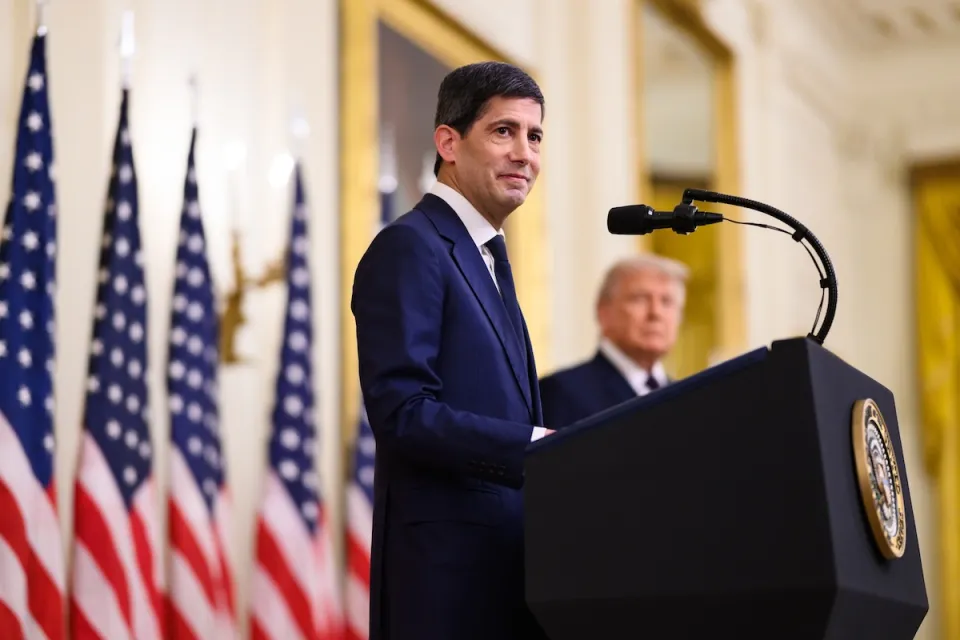
Raised interest rates may kill financially vulnerable construction projects
The chief economist at ConstructConnect warns that if construction project owners are negatively impacted by the raised rates, it could result in delayed payments to contractors.

FREE Course: Walkable City 1: Why Walkability?
After describing his path towards focusing on walkability as the essence of good planning, Jeff Speck marches through his five principal reasons for making more walkable places.
Reinventing Malls: Planning Alchemy—Turning Gray Fields Into Gold
The course focuses on the opportunities and imperatives that shape reinvention of mall sites.

KFH Group Inc.
Greater Baltimore Committee
Eagle County Government
The Architects Foundation
University of Cincinnati Online
The Pocatello Development Authority
The Urban Renewal Agency of the City of Pocatello