Mobility

Urban Design Through a Gender Lens
Building cities to be safe and accessible for women and LGBTQIA+ people has benefits for all users of public space.
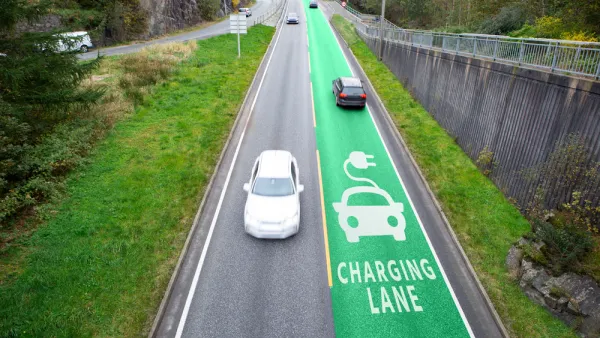
The Marriage of Technology and Road Infrastructure
The future of road infrastructure likely includes wireless electric charging, innovative construction materials, and more data collection. Will cities remember to prioritize pedestrian safety, too?
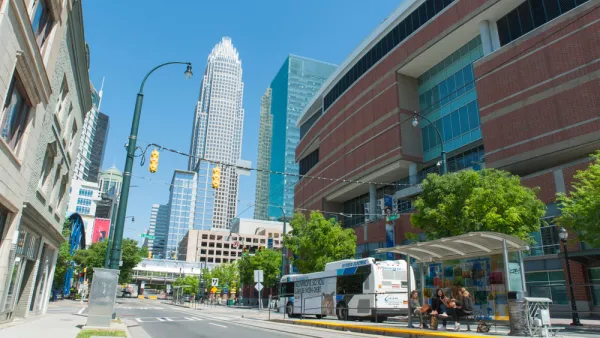
Charlotte Mobility Plan Centers Improved Multimodal Options and Economic Mobility
The city’s newly approved Strategic Mobility Plan highlights the need for better options when it comes to walking, biking, and public transit, setting a goal to reduce driving to half of total trips.
Americans Find it Increasingly Difficult To Move
High housing costs and low supply are making it harder for American families to move as household dynamics and job opportunities change.
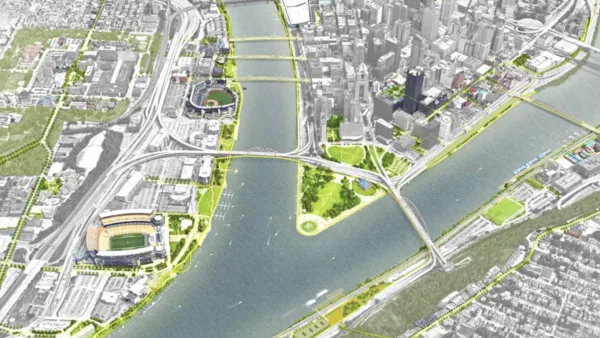
“Completing the Loop” Plan Wins National Award for Excellence in Sustainability
Riverlife and evolveEA were honored by the American Planning Association (APA) for the plan, which outlines a 10-year vision to connect, enhance, and expand Pittsburgh’s network of riverfront parks, trails, and public green spaces.
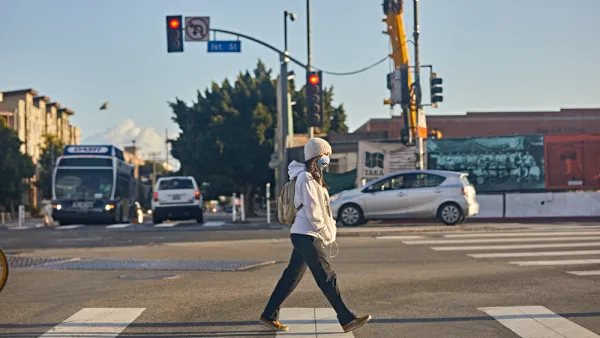
Proposed Ballot Measure Would Require L.A. To Enforce Own Mobility Plan
The city's 2015 mobility plan was hailed as one of the nation's most ambitious, but progress toward its goals has been less than impressive.
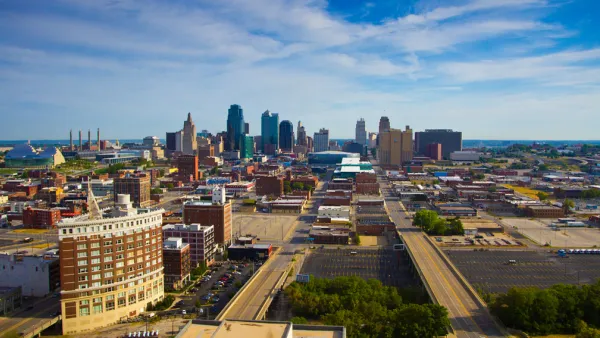
Bike Lanes Pitted Against Sidewalks in Kansas City
A proposed ordinance that would allow neighborhood associations to request removal of bike lanes has sparked a debate over how to prioritize bike and pedestrian infrastructure.
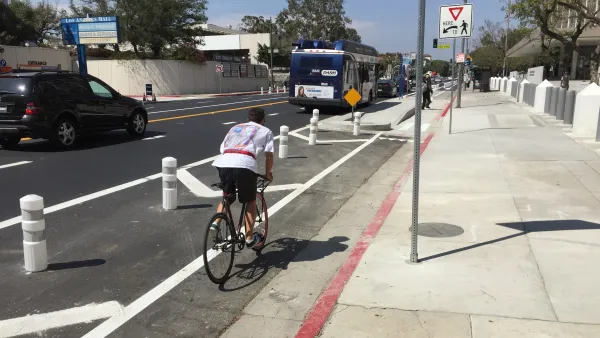
Opinion: Los Angeles Must Prioritize Bikes and Buses
L.A. has a plan for improving mobility. Why are city leaders ignoring it?
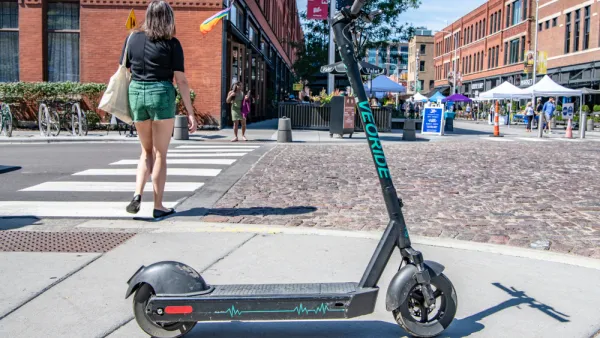
Lessons From Five Years of E-Scooters
As cities continue to adapt micromobility regulations to address new devices and technologies, what can we learn from Chicago's five years of e-scooter pilots?
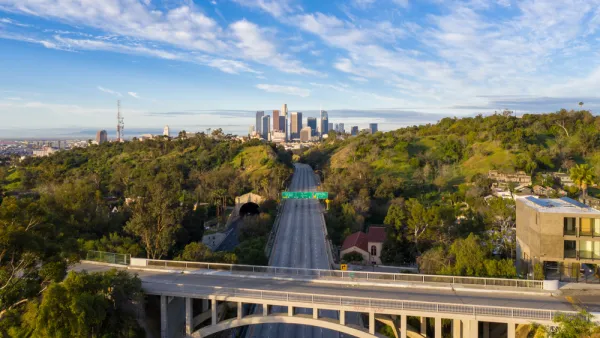
Coupling Housing and Mobility: A Radical Rethink for Freeways
An ambitious vision for freeways: intersections with dense, tall buildings and rights of way repurposed for high-speed, high-capacity public transit.
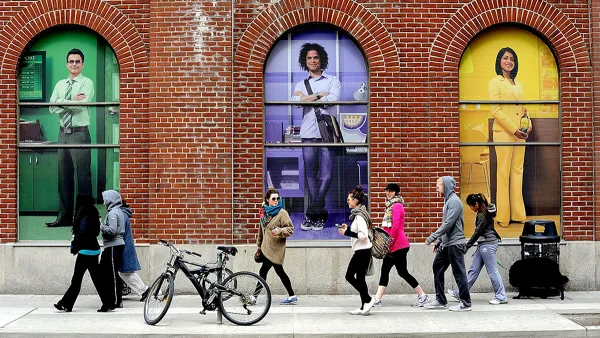
Americans Walk More Than Ever
An analysis of searches for walking directions shows dramatic increases in walking in cities across the country.
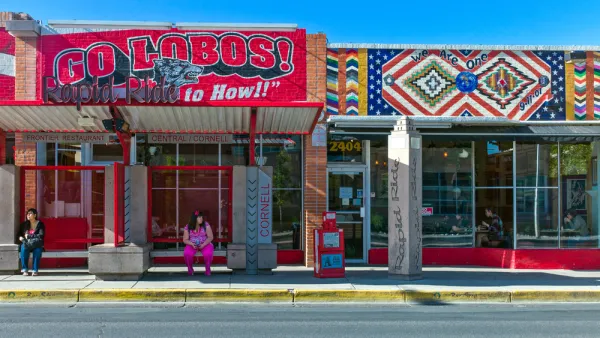
Transit Goes Fare-Free for One Year in Albuquerque
Albuquerque will become one of the largest cities in the nation to launch a fare-free pilot program for transit riders.
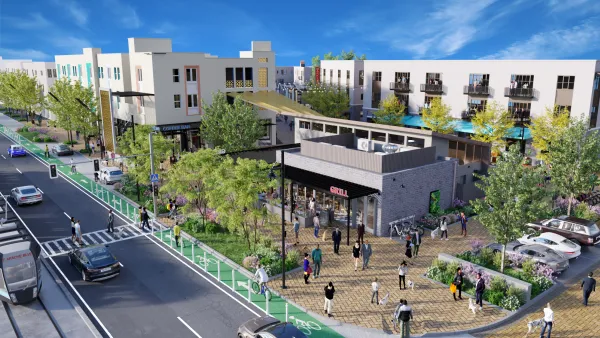
Nation's First 'Zero-Driving Community' Takes Shape in Tempe
Slated to open in 2022, Culdesac Tempe contractually forbids personal vehicles from parking within a quarter-mile radius of the project site.
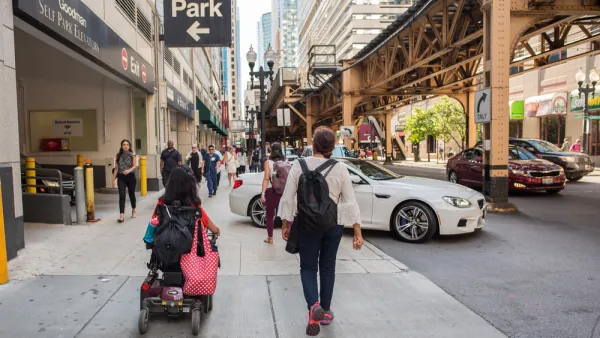
Centering Non-Drivers Would Improve Infrastructure for All
Inadequate infrastructure disproportionately harms people with mobility challenges who can't or don't drive, but their needs closely mirror those of all pedestrians.
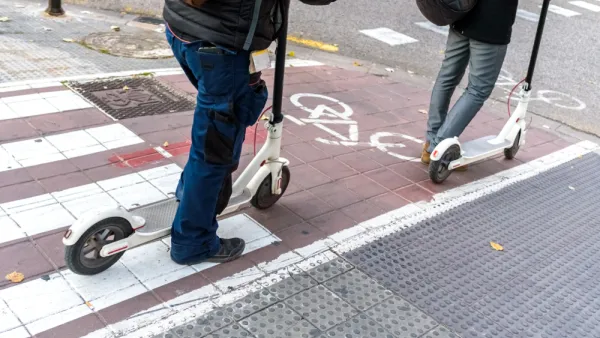
Planning for New Mobilities: Preparing for Innovative Transportation Technologies and Services
New mobilities—emerging transportation technologies and services—have tantalizing potential. They allow people to scoot, ride, and fly like never before. However, they can also impose surprising problems. How should communities prepare?
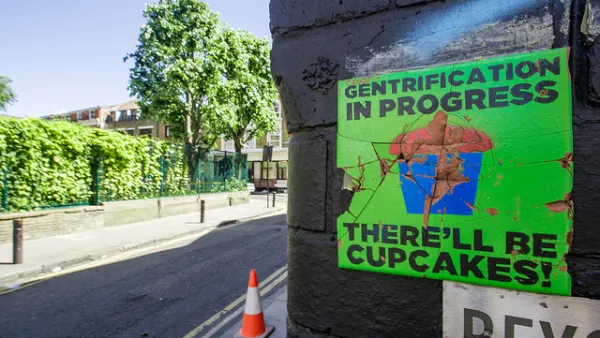
'Gentrification' Is Not the Real Problem
The conversation about gentrification continually repackages a set of debunked theories as reality and it obscures a set of real crises that need fixing.
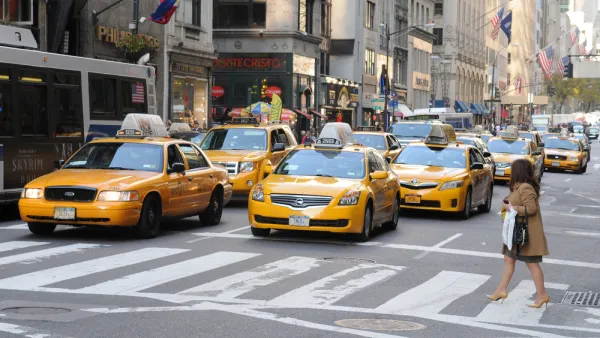
Ride-Hailing Prices Skyrocket as the U.S. Emerges From the Pandemic
A shortage of drivers and spiking demand are driving Uber and Lyft prices higher than ever as the companies struggle to achieve profitability.
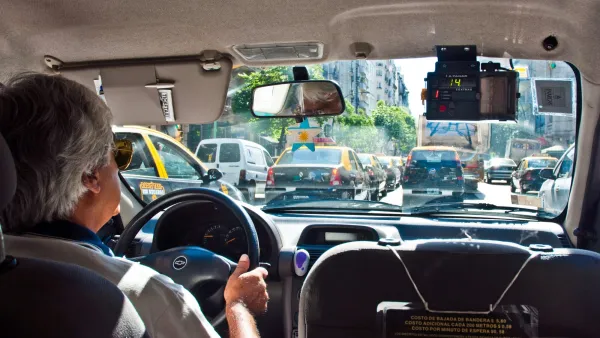
Human Movement, Captured by a 'Very Clear' Mathematical Law
The "universal visitation law of human mobility" documented in a newly published study in Nature offers predictive power for urban mobility in addition to empirical validation of Central Place Theory.
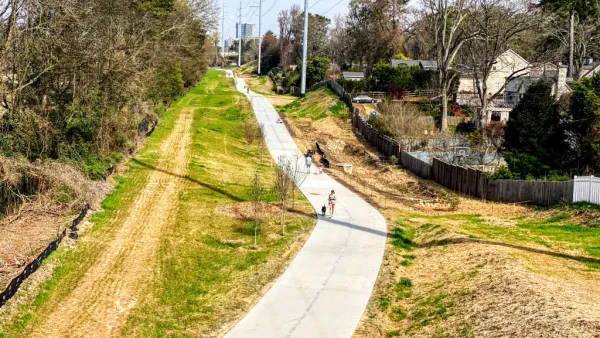
New Beltline Segment Opens in Atlanta
The first phase of a new 0.9-mile segment of the Atlanta Beltline, known as the Northeast Trail, is now open for recreation and active mobility.
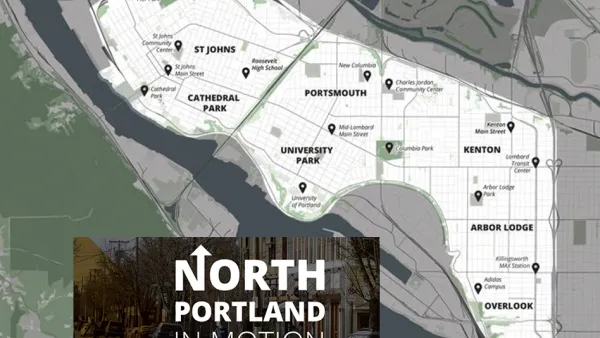
North Portland in Motion Launches with Goals to Improve Walking, Biking, and Transit
The Portland Bureau of Transportation continues its work of drafting transportation plans targeted to specific geographic corners of the city,

FREE Course: Walkable City 1: Why Walkability?
After describing his path towards focusing on walkability as the essence of good planning, Jeff Speck marches through his five principal reasons for making more walkable places.
Reinventing Malls: Planning Alchemy—Turning Gray Fields Into Gold
The course focuses on the opportunities and imperatives that shape reinvention of mall sites.

One Hundred Miles
County of Mendocino
planning NEXT
The Architects Foundation
University of Cincinnati Online
Montrose County
Northern Illinois Transit Authority (NITA)
The Pocatello Development Authority