In planning, stereotypes of older adults still dominate, and it’s time for that message to change.


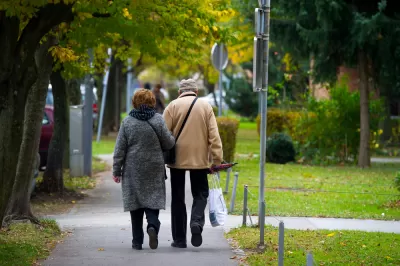
"I won’t bore you with the long list of words that are often used for older adults in popular culture. Instead, just consider the ones we tend to use in the transportation profession: 'the elderly,' 'senior citizens,' or 'seniors and people with disabilities.' Ultimately, these words—especially when coupled with photos or icons—result in a trope that older adults are inactive and feeble. This stereotype can lead to transportation professionals dismissing us," writes Carol Kachadoorian.
She urges planners to think about the images used to depict older adults and the language that refers to them. For example, photos of active older people instead of sedentary ones better represent the range of ages and abilities in this demographic group.
"When planning and designing for older adults, consider how you’d like to be treated at any stage of life: as a valued member of the community who is active, engaged, and worthy of true effort—not an afterthought," says Kachadoorian.
FULL STORY: RETHINKING HOW WE TALK ABOUT OLDER ADULTS AND MOBILITY

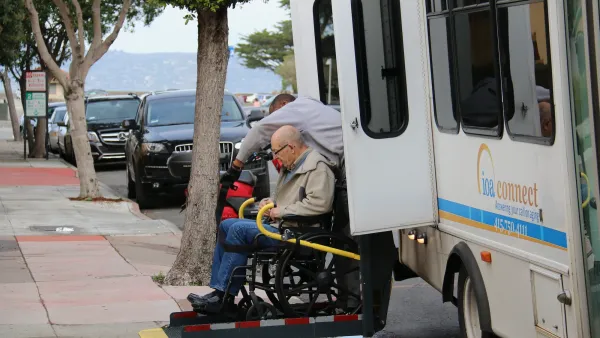
Seniors Account for 32% of Traffic Deaths in the Bay Area
Road safety interventions would help protect seniors and other vulnerable groups from traffic violence.

Study: Walkability Can Help Reduce Dementia Risk
Walkable neighborhoods offer natural opportunities to stay active and engaged with friends and neighbors, increasing residents’ chances of remaining mentally and physically healthy longer.

Homelessness Among Maryland Seniors Rose 77 Percent Since 2018
The high cost of housing is pushing many older adults into homelessness, while shelters are not equipped to address their specific needs.

The state-sanctioned urbicide of Austin
People don’t kill cities. Freeways do.

US to reduce Colorado River water deliveries to Mexico
A new Colorado Treaty amendment reduces Mexico’s Colorado River water allocation by 250,000 acre feet.

New Jersey’s second-largest city bans standalone data centers
Jersey City will continue to allow co-location facilities, such as those meant for research institutions that store their own data.

Amtrak not solely to blame for New Jersey commuter rail's unreliability, report finds
A new study from the Garden State Initiative found that NJ Transit’s budget grew 20% across a 4 year period, but reliability declined significantly over the same period.

EPA erases limits on planet-warming pollution from power plants
Under Monday’s plan, power plants would still have some limits on how much mercury, arsenic and other contaminants they can emit.

Phoenix announces new on-demand transit service, more frequent RAPID buses
Both new services will launch in October, and are part of Phoenix's Project Effective Access Solutions for Easing Congestion.

FREE Course: Walkable City 1: Why Walkability?
After describing his path towards focusing on walkability as the essence of good planning, Jeff Speck marches through his five principal reasons for making more walkable places.
Reinventing Malls: Planning Alchemy—Turning Gray Fields Into Gold
The course focuses on the opportunities and imperatives that shape reinvention of mall sites.

Eagle County Government
Harvard University Graduate School of Design
Nashville Planning Department
The Architects Foundation
University of Cincinnati Online
The Pocatello Development Authority
The Urban Renewal Agency of the City of Pocatello
Journal of the American Planning Association