Energy Efficiency
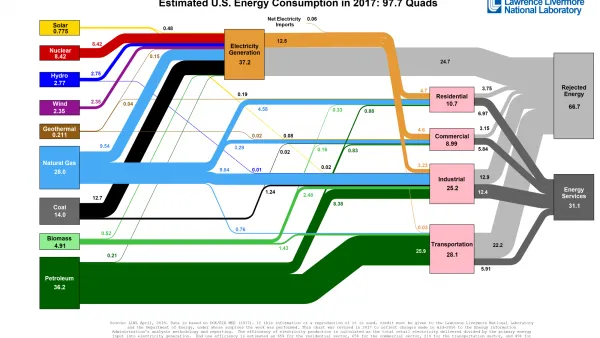
Infographic: Track the Flow of Energy in the United States
The Lawrence Livermore National Laboratory has a collection of infographics illustrating the use and waste of energy in the county and in specific states by year.
California Energy Efficiency Program Could Be Much More Effective for Low-Income Residents
According to an analysis by the Energy Efficiency for All coalition, California's Energy Savings Assistance Program could be four times as effective for low-income renters if it were better deployed.

U.S. Households Using Less Energy
Total on-site energy use in U.S. homes declined between 2009 and 2015, thanks to new new building technology and warmer winters.

Op-Ed: The Real Estate Industry Is Actually Fighting Emissions
Efstathios Valiotis of Alma Realty argues that the New York real estate industry has made strides to curb emissions and been a leader in fighting climate change in the city.

How We Can Better Integrate the Energy Industry into Eco-Friendly Planning
There are plenty of opportunities to green the world's energy production and consumption infrastructure, but it will take good planning.

Self-Driving Cars Hog Power
Self-driving cars process a tremendous amount of data to pilot themselves through crowded streets. That computing power needs electricity, and lots of it.
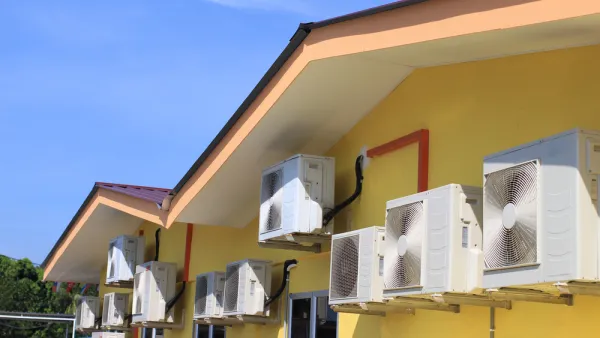
Even Older Buildings Are More Energy Efficient Than Ever
An analysis of trends in energy-efficiency improvements reveals the success of policies enacted during the previous decades.

Green Building Advocates Want Pennsylvania to 'Unfreeze' the State's Energy Codes
Two icehouses have arrived in Harrisburg on a mission from the Central Pennsylvania chapter of the U.S. Green Building Council.

Even the Most Energy Efficient Cities Have Room for Improvement
The American Council for an Energy Efficient Economy has released its third biannual City Energy Efficiency Scorecard.
Popular Energy Star Program on The Budget Chopping Block
As details emerge from the Trump Administration's draft budget proceedings, more programs of relevance to the planning profession are queued up for the chopping block. The budget is still far from a done deal, however.

Building Industry Falling Short of the AIA's Carbon Reduction Goals
The American Institute of Architects gave a reality check regarding its ambitious and aggressive carbon reductions targets.

If LEDs Are Bad for Our Health, What Should Cities Do Now?
A report from the American Medical Association says LED lights are bad for our health, inspiring some cities to re-evaluate the technology.
An Update on President Obama's 'Better Building Initiative'
A press release and fact sheet about the accomplishments of the Obama Administration's "Better Building Initiative" includes three new national programs designed to improve the efficiency and resilience of the built environment.
Could This Heating Technology Revolutionize the U.S. Market?
Michelle Robb, Director of Product Planning at Mitsubishi spoke to Alex Ulam about VRF, or air source heat pump technology, and how it can fit into the American built environment context.
There's More Than One Way for Energy Efficiency Goals to Fail
A heated political battle over funding for the Washington State Building Code Council shows how legislated mandates for energy efficiency must also fund regulators to back them up.
President Obama's Most Important Energy Efficiency Standard Unveiled
Just in time for winter, the U.S. Department of Energy released a standard to make heating and cooling in commercial buildings far more efficient, increasing minimum efficiency by 10 to 25 percent.
Beware of Energy Rankings for Cities
In a special "Energy for Tomorrow" report, The New York Times looks at "clean city rankings" of energy efficiency and land use. But ranking cities is no easy task—"winners on one list may appears as sinners on another."
Too Big to Be Green
The energy costs of big houses on big lots overshadow the benefits of energy efficiency.
What Does the Connected Home Mean for Energy Policy?
As cities look to the Internet of Things to reimagine urban infrastructure, one hope is that real-time data collection will help increase energy efficiency at the regional level. Where do homes outfitted with a network of smart devices fit in?
SEPTA Investing $18.3 Million in Energy Efficiency
SEPTA has approved funding for $18.3 million in energy-efficient upgrades to the regional transit network.

FREE Course: Walkable City 1: Why Walkability?
After describing his path towards focusing on walkability as the essence of good planning, Jeff Speck marches through his five principal reasons for making more walkable places.
Reinventing Malls: Planning Alchemy—Turning Gray Fields Into Gold
The course focuses on the opportunities and imperatives that shape reinvention of mall sites.

City of Thousand Oaks
City of Wisconsin Rapids
Harvard University Graduate School of Design
The Architects Foundation
University of Cincinnati Online
The Pocatello Development Authority
The Urban Renewal Agency of the City of Pocatello