A press release and fact sheet about the accomplishments of the Obama Administration's "Better Building Initiative" includes three new national programs designed to improve the efficiency and resilience of the built environment.


The White House put out a fact sheet and press release announcing the accomplishments of the Better Building Initiative—designed to partner the Department of Energy "with leading organizations in every state across the country to drive increased investment in energy efficiency and overcome the barriers that prevent many organizations and consumers from capturing these benefits."
According to the fact sheet, there are now more than 750 organizations engaged in the Better Buildings Initiative, with partnerships and energy savings more than tripling over than past five years.
The fact sheet also announces new partnerships and progress updates on behalf of U.S. Secretary of Energy Ernest Moniz and the U.S. Secretary for Housing and Urban Development Julián Castro, including three new programs in collaboration with all 50 states, 17 new examples of businesses, states, and cities achieving Better Building challenge goals, and additional energy savings accomplishments.
The three aforementioned programs include the Clean Energy in Low Income Communities Accelerator, the Combined Heat and Power for Resiliency Accelerator, and the Wastewater Infrastructure Accelerator.

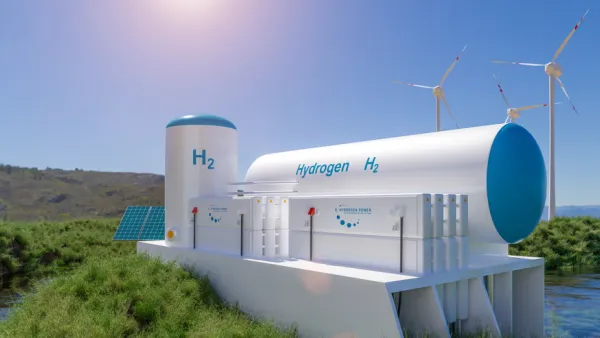
Energy Department Resumes Loan Program with Hydrogen Storage
The Energy Department's loan office, known for a bad loan to the solar panel startup Solyndra in 2011, will loan $504 million to a company that will use renewable energy to create 'green hydrogen' and store it in salt caverns in Utah.
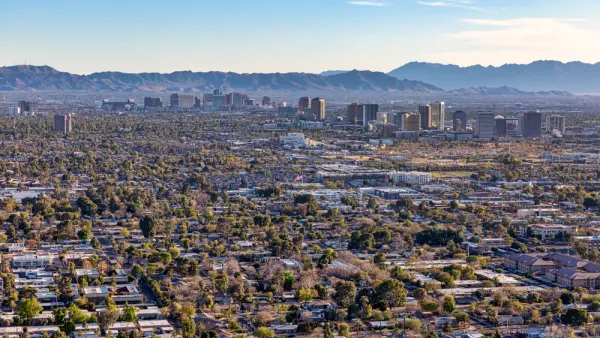
'Green' Houses Come Up Well Short in Phoenix
City inspectors and federal regulators will not be favorably portrayed in this story.
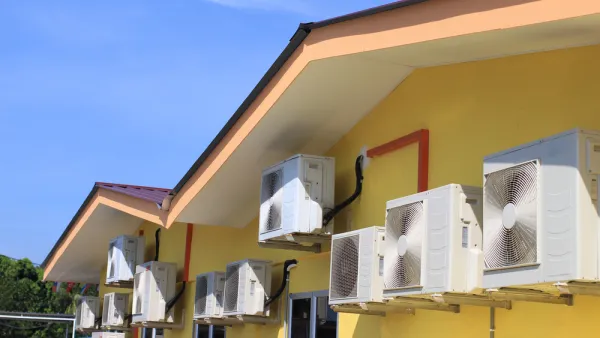
Even Older Buildings Are More Energy Efficient Than Ever
An analysis of trends in energy-efficiency improvements reveals the success of policies enacted during the previous decades.

Planetizen Federal Action Tracker
A weekly monitor of how Trump’s orders and actions are impacting planners and planning in America.

The state-sanctioned urbicide of Austin
People don’t kill cities. Freeways do.

US to reduce Colorado River water deliveries to Mexico
A new Colorado Treaty amendment reduces Mexico’s Colorado River water allocation by 250,000 acre feet.

5 New England states march closer to 800 megawatt wind energy project
Securing federal approval for the project may be complicated under the Trump administration, which has historically been hostile towards domestic wind power.

Baltimore to break ground on $50 million Transit Priority Project
The project will bring faster bus trips, safer streets and better bike connections to Baltimore.

Airbnb launches $250 million 'last-dollar financing' housing accelerator, makes first investment in Austin
The company will put $6.4 million towards affordable housing development in Texas’ capital.

FREE Course: Walkable City 1: Why Walkability?
After describing his path towards focusing on walkability as the essence of good planning, Jeff Speck marches through his five principal reasons for making more walkable places.
Reinventing Malls: Planning Alchemy—Turning Gray Fields Into Gold
The course focuses on the opportunities and imperatives that shape reinvention of mall sites.

Eagle County Government
Harvard University Graduate School of Design
Nashville Planning Department
The Architects Foundation
University of Cincinnati Online
The Pocatello Development Authority
The Urban Renewal Agency of the City of Pocatello
Journal of the American Planning Association