Carbon Emissions
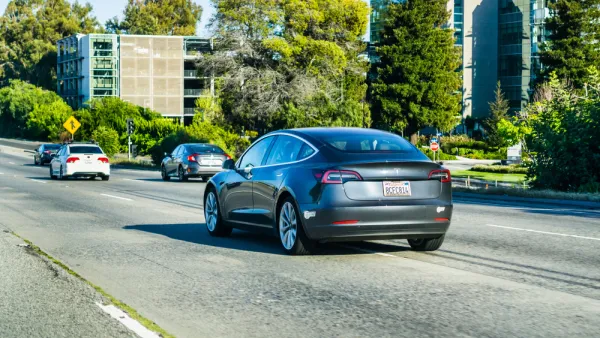
EV Incentives Can Cause Higher Emissions, Study Finds
Without incentivizing the actual use—rather than just the purchase—of electric vehicles, current EV tax credits could actually drive higher carbon emissions.
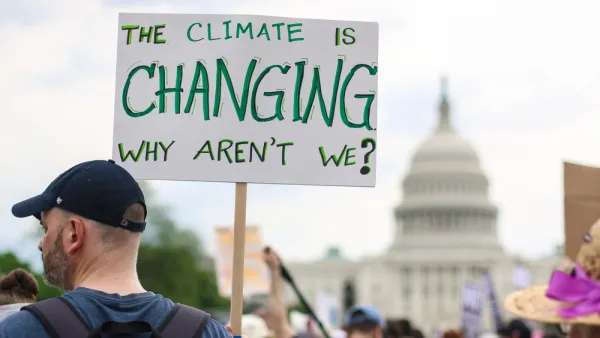
How Cities Can Curb Climate Change and Protect Vulnerable Residents
A new U.N. report urges cities to upgrade their infrastructure to bolster climate resilience and build more sustainable, climate-friendly places.
'Charging as a Service' Could Accelerate Decarbonization
The proliferation of private EV charging services, coupled with federal investment in charging stations, has the potential to reduce 'charging anxiety' and encourage a faster switch to electric vehicles.
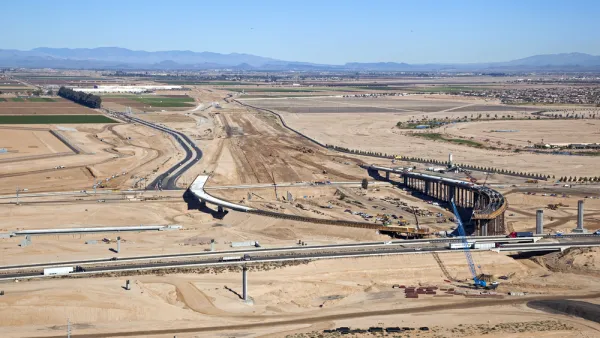
Infrastructure Funding Could Lead to Higher Carbon Emissions
Billions in federal infrastructure funding slated to go to states with few strings attached could fund roadway construction and widening projects that will raise greenhouse gas emissions and worsen climate change.
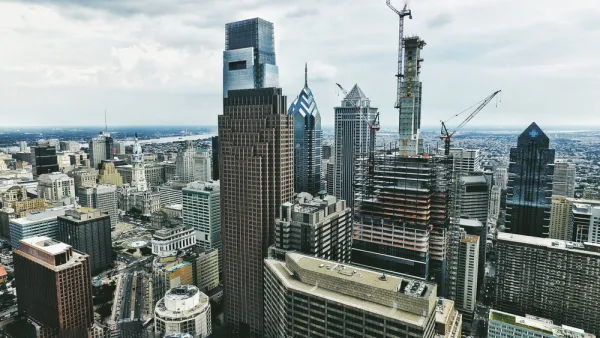
The Path to Hyperdensity
The federal government has an opportunity to make a generational investment in the country's infrastructure that could fundamentally shift the way we live and move around cities.
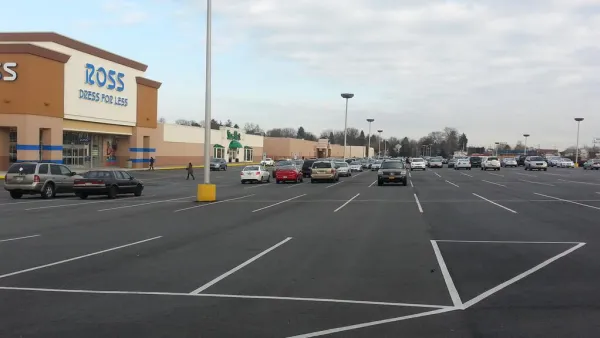
Progressive Political Support Sought for Parking Reforms
Despite mounting evidence that parking requirements subsidize cars, raise the cost of housing, and contribute to greenhouse gas emissions, few policymakers have strongly advocated to end them.
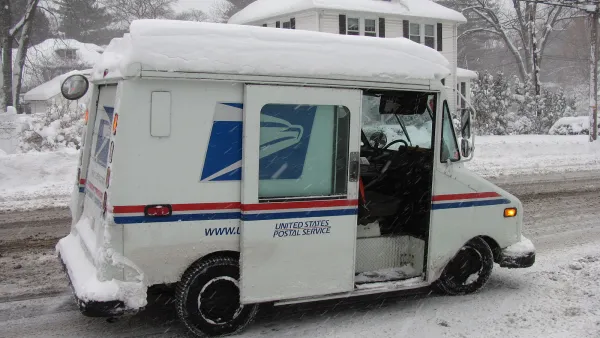
Sustainability Advocates Reject USPS Electrification Plan
Critics say the Postal Service's argument for its weak commitment to electrifying its vehicle fleet doesn't hold water.

Mixed-Income 'Eco-Village' Planned in Michigan
A net-zero emissions development near Ann Arbor hopes to provide a model for sustainable communities.
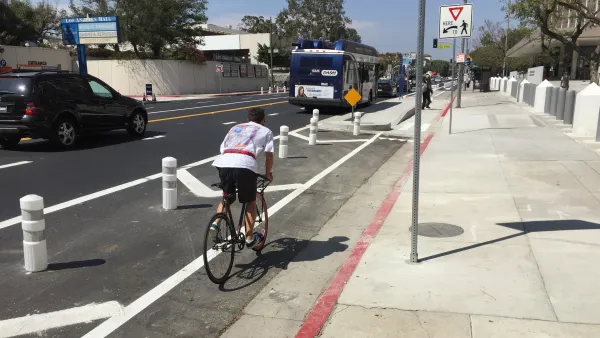
Opinion: Los Angeles Must Prioritize Bikes and Buses
L.A. has a plan for improving mobility. Why are city leaders ignoring it?
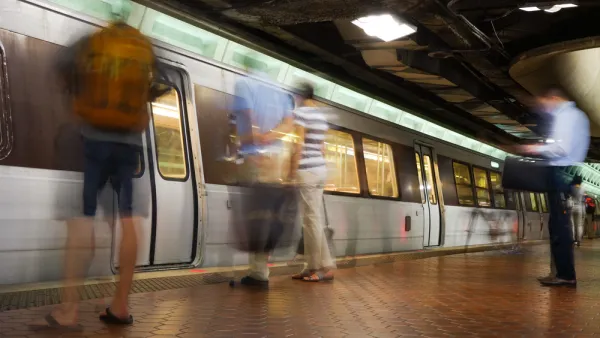
Study: D.C. Region Must Take Aggressive Steps To Reach Climate Goal
To achieve its stated emissions reduction goal, the Greater Washington area must sharply reduce driving and speed up the adoption of electric vehicles.
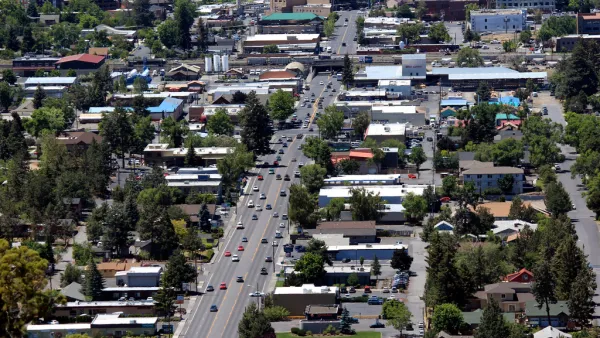
Oregon DOT Projects Little Decline in Driving Despite Climate Pledge
Financial projections from the state's Department of Transportation suggest the agency does not anticipate a marked reduction in driving in the next decade.
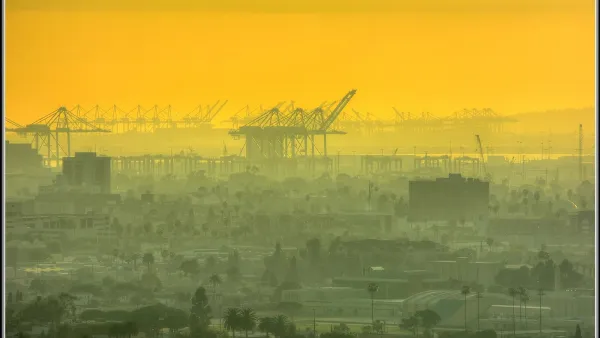
Port Logjam Contributing to Dismal L.A. Air Quality
Emissions from container ships idling outside Southern California's ports are adding to pollution that has blanketed the region in a noxious layer of smog.

Climate Change Is All Around
A massive interactive feature published by the New York Times tells 193 stories—for 193 countries—to illustrate the ravages of climate change in every corner of the globe.
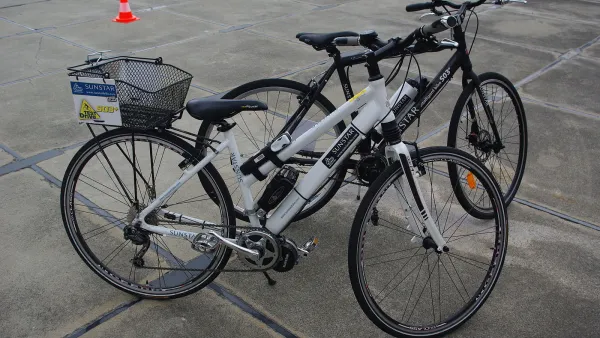
Why Are U.S. Policymakers Ignoring Electric Bikes?
The singular focus on EVs is making U.S. cities miss out on the opportunity to promote e-bikes as a more efficient and sustainable transportation mode.
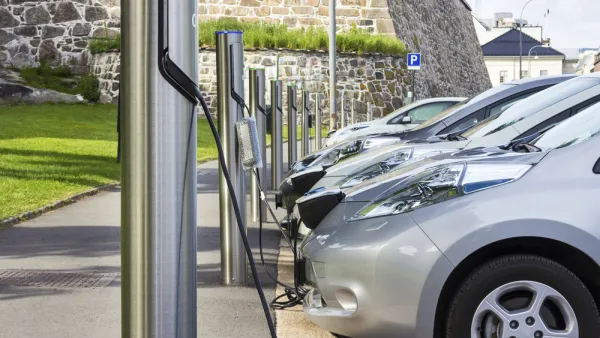
Study: EV Adoption Isn't Enough. Car-Centric Culture Needs To Change.
The focus on electrifying personal vehicles misses the opportunity to transform urban transportation systems, reduce congestion, and make cities more affordable.
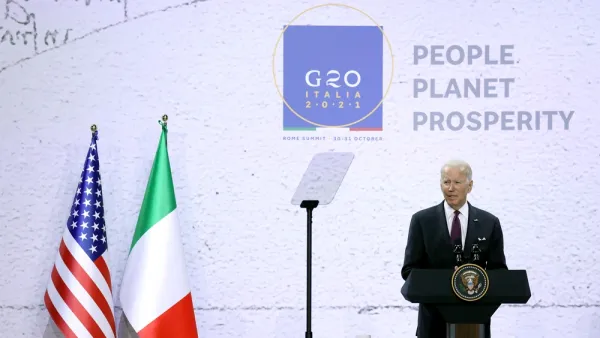
Biden Commits Federal Government to Carbon Neutrality
President Biden signed an executive order on Wednesday that aims to cut 65 percent of the government's carbon emissions by the end of this decade and reach carbon neutrality by 2050.

Assessing Prince George's County's Climate Action Plan
The Prince George's County draft Climate Action Plan includes ambitious goals and timetables, but falls short of recommended targets for emissions reductions in the transportation sector.

Proposed Toronto Highways Raise Environmental Concerns
Opponents of two new planned highways in greater Toronto argue the construction of new roads is 'short-sighted at best' and would threaten the region's greenbelt areas.

Countries Underreport Greenhouse Gas Emissions
A Washington Post investigation found major discrepancies between actual emissions and the levels reported to the United Nations.
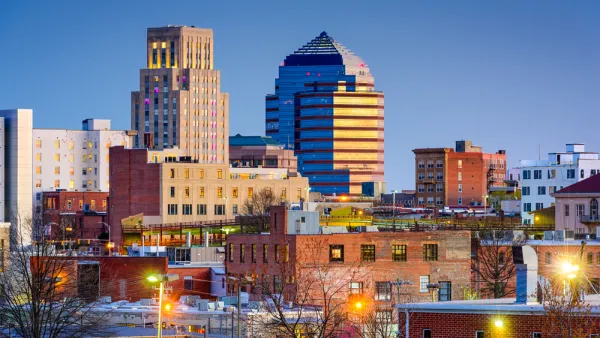
Study: Low-Rise Density Is Better for the Climate
New research analyzing carbon emissions throughout the life cycle of buildings shows that high-rises create more carbon emissions than dense, low-rise developments.

FREE Course: Walkable City 1: Why Walkability?
After describing his path towards focusing on walkability as the essence of good planning, Jeff Speck marches through his five principal reasons for making more walkable places.
Reinventing Malls: Planning Alchemy—Turning Gray Fields Into Gold
The course focuses on the opportunities and imperatives that shape reinvention of mall sites.

City of Rosemead
Rutgers University, Edward J. Bloustein School of Planning and Public Policy
One Hundred Miles
Hunter College, City University of New York (CUNY)
The Architects Foundation
University of Cincinnati Online
City of Cambridge
Montrose County
The Pocatello Development Authority









