Carbon Emissions
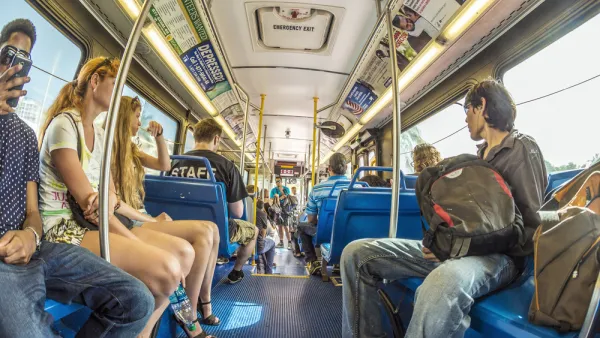
To Fight Climate Change, Support Public Transit
Electric cars may garner a lot of attention these days, but significantly reducing carbon emissions and urban congestion means investing in high-quality mass transit.
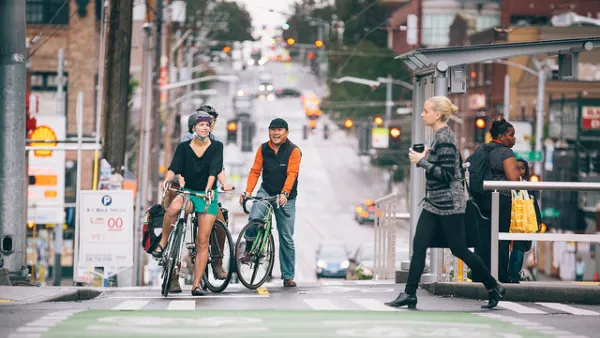
Plan for Emissions-Free Zone Takes Shape in Seattle
The city of Seattle is working on a plan to create a zero-emissions zone to mitigate urban pollution and reduce carbon emissions in dense, congested parts of the city.

Supreme Court To Hear Challenge to EPA Powers
The Court's decision could limit the agency's authority to regulate carbon emissions in the power sector.
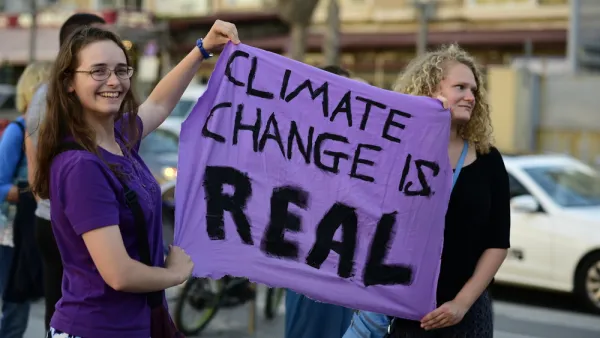
Report: How The U.S. Could Meet Its 2030 Climate Goals
If policymakers don't take clear, immediate action, emissions reductions will fall short of the 50-52 percent goal set in Paris.
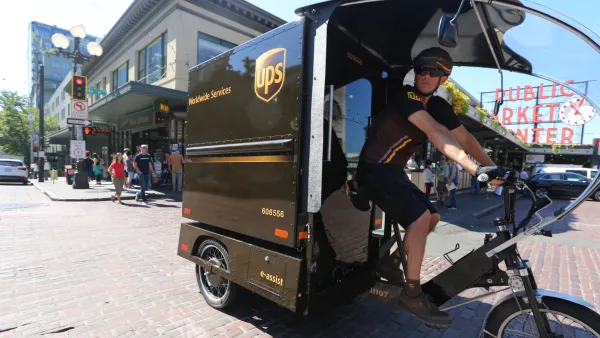
Cargo Bike Pilot Reduces Emissions by 30%
The program deployed electric cargo bikes in a small Seattle neighborhood to test the effectiveness of replacing delivery trucks with lighter vehicles in the last mile of delivery.
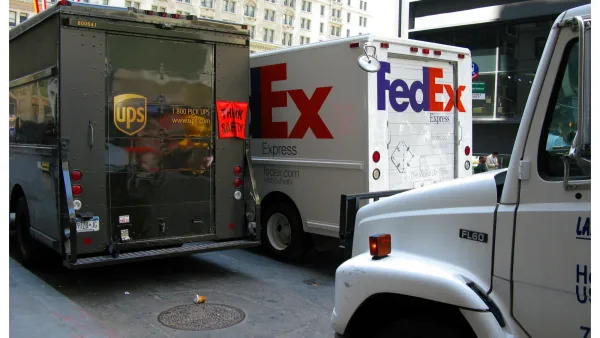
How Street Configuration Impacts Equity
With urban pollution and traffic violence disproportionately affecting communities of color, better management of public space and streets could improve equity in cities.
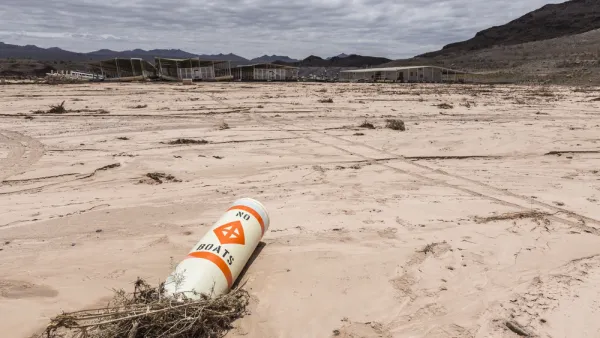
Report: Southwest Drought a 'Preview of Coming Attractions'
A NOAA-led task force warns that the drought facing the western U.S. will continue well into 2022 or later without serious efforts to mitigate human-caused global warming.
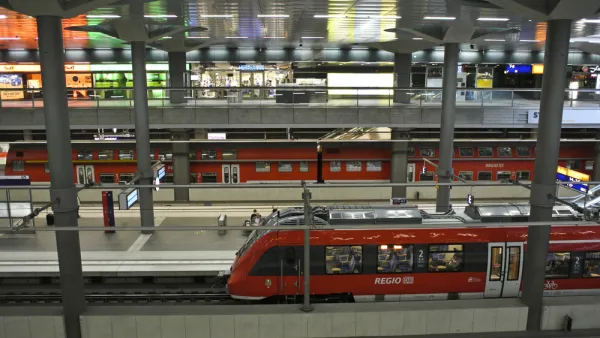
How Global Cities Are Working to Electrify Transit
With the transportation sector accounting for a third of urban carbon emissions, cities around the world are seeking new ways to electrify their transit fleets and reduce fossil fuel consumption.
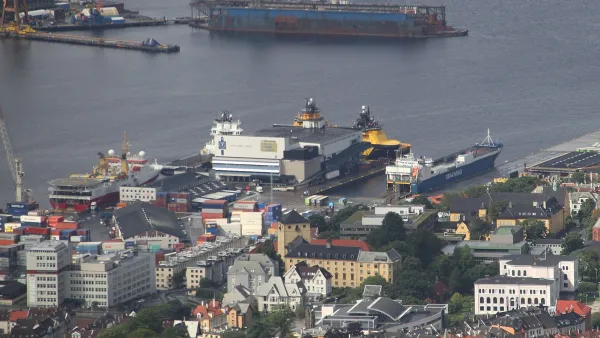
Norwegian City Plans for Zero-Emissions Neighborhood
As it winds down port operations in the area, Bergen plans to transform its Dokken district from a busy shipping hub to a car-free, 'regenerative' zone.
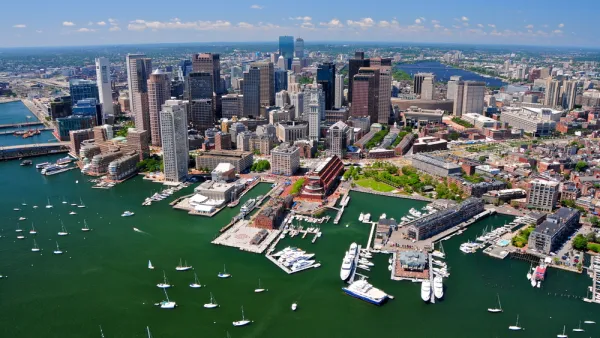
Big Boston Buildings Must Be Carbon Neutral by 2050
The Boston City Council approved a new ordinance would eliminate emissions from the 4 percent of the buildings responsible for 60 percent of the city's building emissions.

Largest Carbon Capture Plant in the World Opens in Iceland
The plant draws carbon from the atmosphere and turns it to stone in underground wells, but the technology remains relatively expensive.
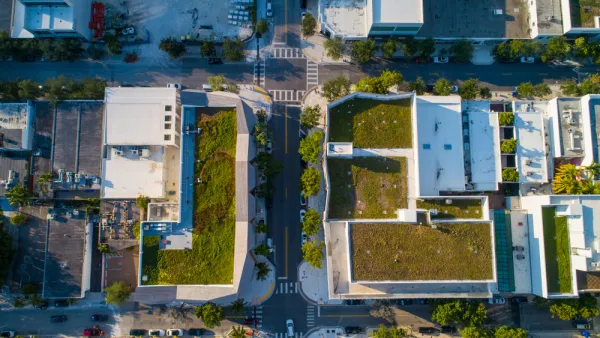
Sustainable Real Estate Investments Are No Longer Optional
Greenwashing won't cut it anymore, and investors are increasingly demanding that all real estate developments and existing assets be assessed in the most holistic way possible.

Carbon-Offset Forests Are Burning Up in Wildfires
Wildfires are consuming forests designated for carbon storage to fight climate change, highlighting the fragility of these carbon offset schemes.
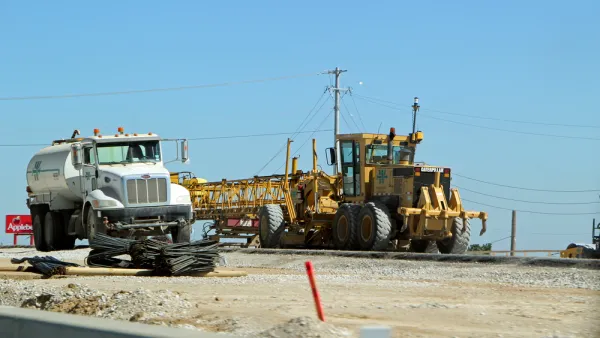
How the Environmental Review Process Privileges Highway Construction Over Transit
U.S. transit projects have a much harder time getting environmental approval than road projects, perpetuating the dominance of cars in U.S. transportation policy.
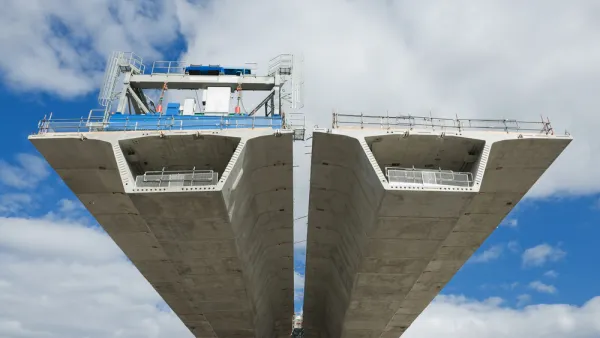
Proposed Colorado Rule Calls for Mitigating Climate Effects of Road Projects
State and local agencies would be tasked with evaluating and offsetting the carbon emissions caused by new transportation projects.

How to Fight Climate Change and Increase Resiliency, Naturally
Five actions governments could take quickly to reduce emissions and restore ecosystems.

Time Is Running Out to Limit the Damage of Climate Change, According to Historic UN Report
The role of humans in creating immense risks from extreme weather, drought, sea-level rise, and bio-diversity loss is "unequivocal," according to a landmark study by the International Panel on Climate Change (IPCC).
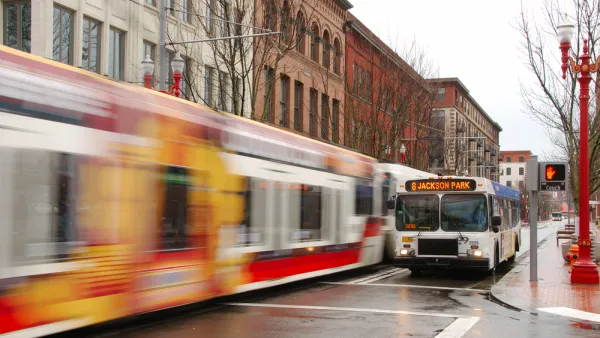
Fighting Climate Change Requires Serious Transportation Reform
The federal government can encourage public transit use and electrification through reforms in transportation systems and land use policies.

Opinion: Replacing Nuclear Plants Amounts to 'Treadmill Decarbonization'
Shutting down one form of clean energy with plans to replace it with another keeps us running in place, or worse, falling behind on decarbonization goals.
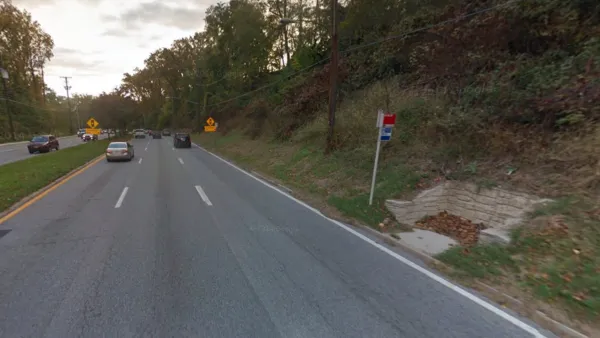
How Bad Transit Encourages Car Ownership
The lack of robust public transit networks in many U.S. cities reduces access to opportunity and drives those who can afford it to buy private vehicles.

FREE Course: Walkable City 1: Why Walkability?
After describing his path towards focusing on walkability as the essence of good planning, Jeff Speck marches through his five principal reasons for making more walkable places.
Reinventing Malls: Planning Alchemy—Turning Gray Fields Into Gold
The course focuses on the opportunities and imperatives that shape reinvention of mall sites.

City of Rosemead
Rutgers University, Edward J. Bloustein School of Planning and Public Policy
One Hundred Miles
Hunter College, City University of New York (CUNY)
The Architects Foundation
University of Cincinnati Online
City of Cambridge
Montrose County
The Pocatello Development Authority









