Carbon Emissions
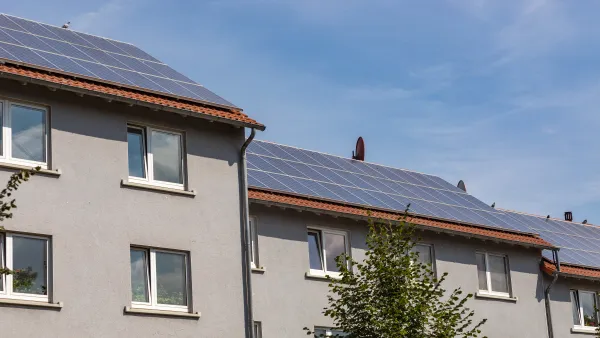
HUD Announces Grants for Efficiency Retrofits in Multifamily Housing
A new program will fund solar panels, heat pumps, and other measures aimed at reducing emissions, improving air quality and resident health, and reducing heating and cooling costs.
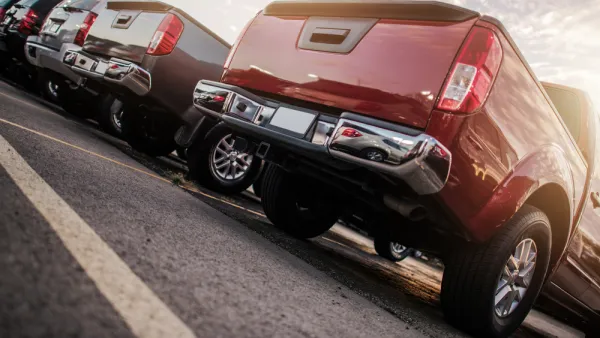
Carzilla: How Huge SUVs and Trucks Hurt Pedestrians and Walkable Communities
Ever wonder where the supersizing of cars is going to end? Kaid Benfield dives deep into the subject and suggests five actions we can take to get to a safer spot in the road.
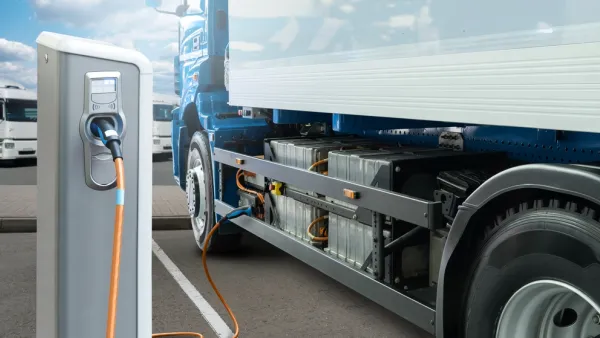
Half of California Trucks to Be Electric by 2035
The state wants to accelerate the adoption of electric vehicles across the board, but concerns linger about the technology’s road readiness.
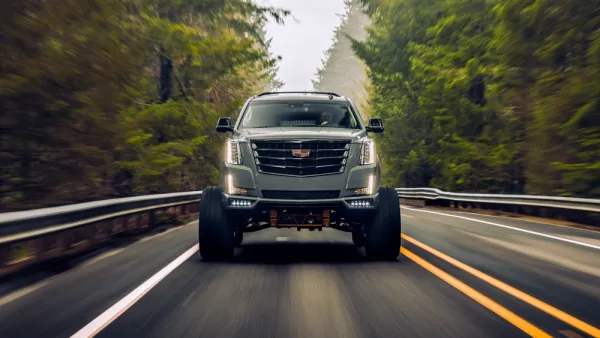
SUVs Are Taking a Toll on the Environment
Even with the growth of electric vehicles, experts say the trend toward larger, heavier vehicles is inherently incompatible with environmental goals.
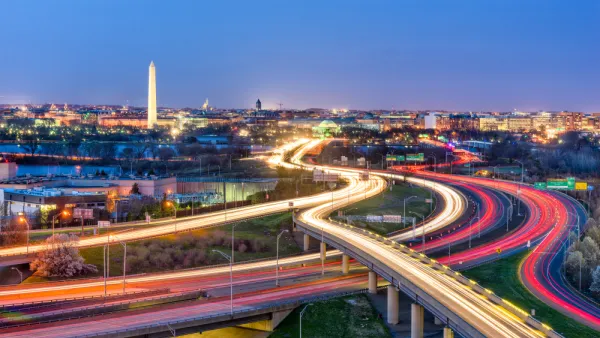
Federal Union: Remote Work Is Climate-Friendly
Federal workers are pushing back on a return to the office, citing the environmental benefits of eliminating daily commuting.

Wales Cancels Major Road Building Projects
All road building and expansion projects are halted until they can pass strict new environmental requirements.
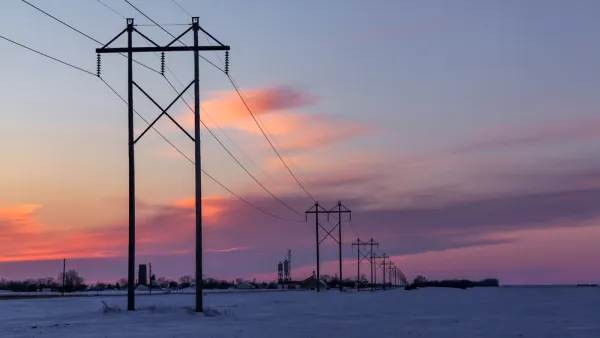
Minnesota Utilities to Go Carbon-Free by 2040
If signed by the governor, a new state law would require all utilities in the state to switch to renewable energy within two decades.

Why the Gas Stove Debate Misses the Point
Banning gas-powered appliances is one part of a broader toolkit of changes in building codes that could vastly improve efficiency.
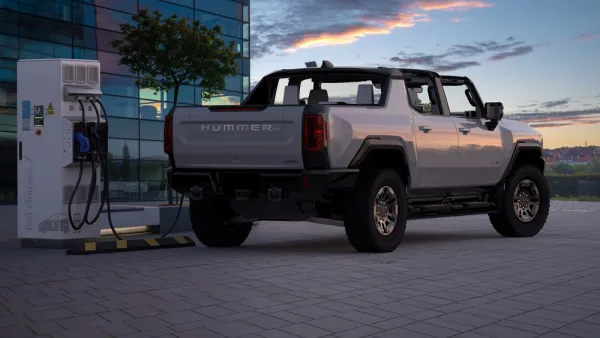
Electric Car Batteries Spark Weight Concerns
A federal transportation official is warning that electric vehicle batteries, which can weigh thousands of pounds and make cars much heavier than their gas-powered counterparts.
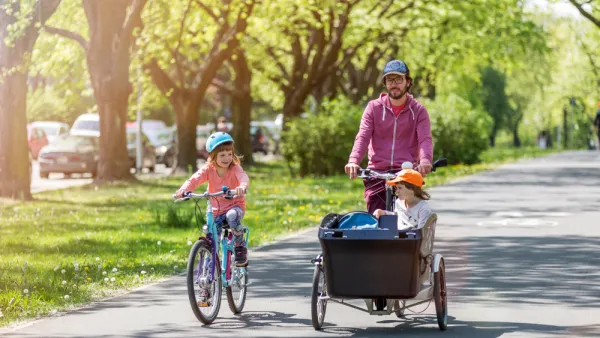
The Multi-Faceted Benefits of E-Bikes
Advocates say incentivizing e-bikes is a quick and effective way to reduce carbon emissions and shift U.S. transportation priorities away from car-oriented planning.
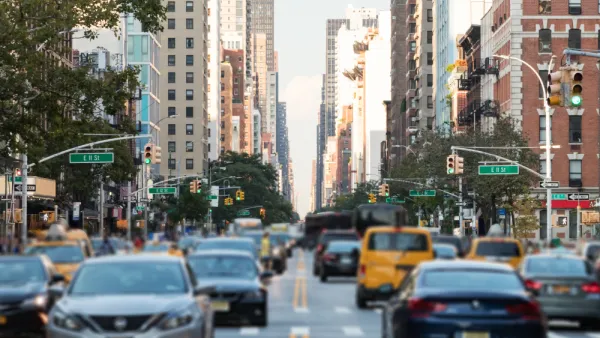
Mapping Climate Impact at the Neighborhood Level
A consumption-based analysis illustrates the differences in average household emissions across census tracts.
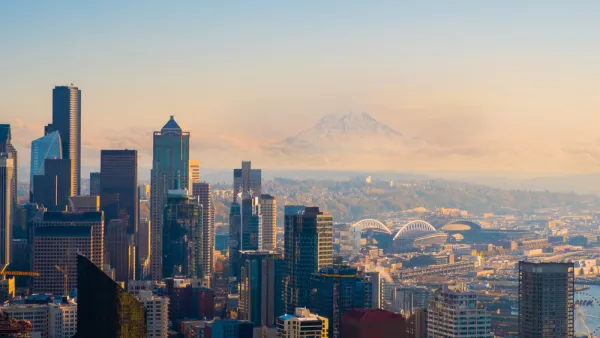
Seattle Mayor Calls for ‘Low-Pollution Neighborhoods’
An executive order signed last week consolidates actions the city plans to take to reduce greenhouse gas emissions.
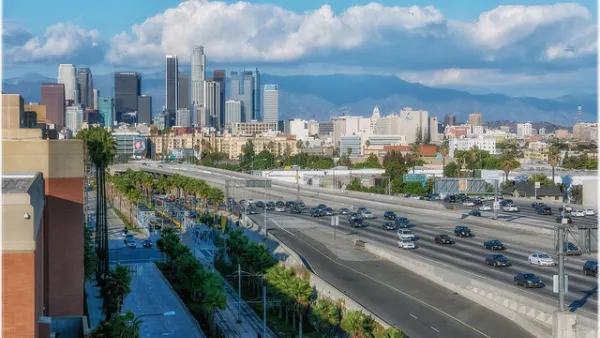
Opinion: Los Angeles Transportation Plan Will Increase Driving
L.A. Metro’s plan to add hundreds of miles of new traffic lanes is projected to increase carbon emissions by 10 million metric tons.
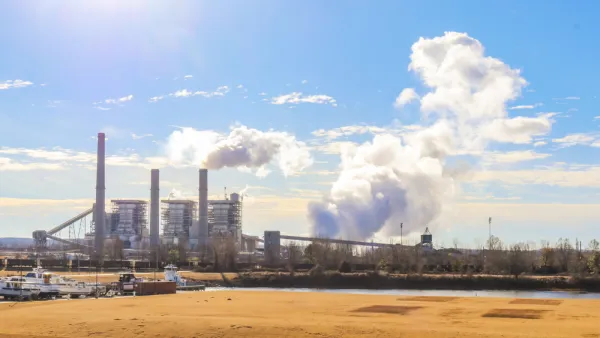
Report: U.S. Greenhouse Gas Reductions Not Hitting Paris Agreement Goal
The United States is making modest gains in the power and transportation sectors, but emissions in the industrial sector are holding steady, absent new reduction initiatives.
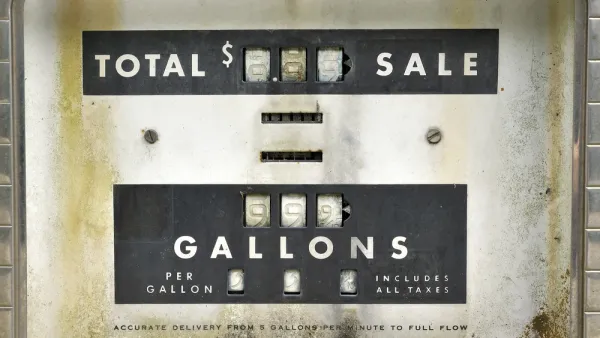
High Gas Costs Making a Small Dent in Carbon Emissions
Americans are driving slightly less due to high prices at the pump, but this reduction in driving is only making a small impact on overall U.S. carbon emissions.

Fighting for Their Future: Hawai’i Kids Sue State Over Greenhouse Gas Emissions
A group of Hawai’ian youth is suing the state’s Department of Transportation, claiming that Hawai’i’s transportation system contributes to climate change and the destruction of homes and cultural traditions.
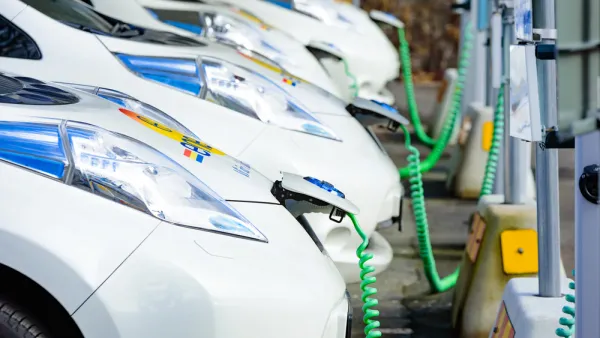
To Fight ‘Range Anxiety,’ Oregon To Invest $100 Million in Electric Vehicle Charging
The Oregon Department of Transportation plans to install EV chargers along crucial transportation corridors and expand charging options around the state to encourage more Oregonians to buy electric vehicles.
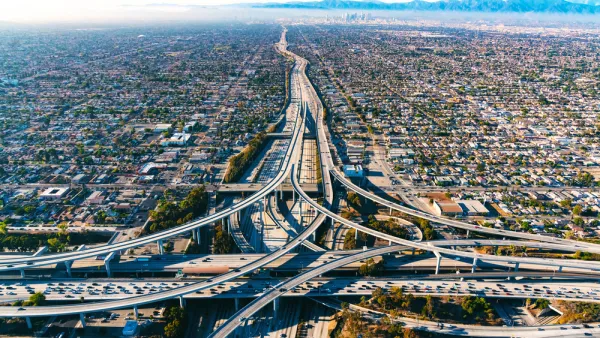
How Urban Sprawl Came To Dominate U.S. Cities—And How To Change That
The auto-centric development patterns of American cities are a result of decades of misguided, but reversible, policy decisions.
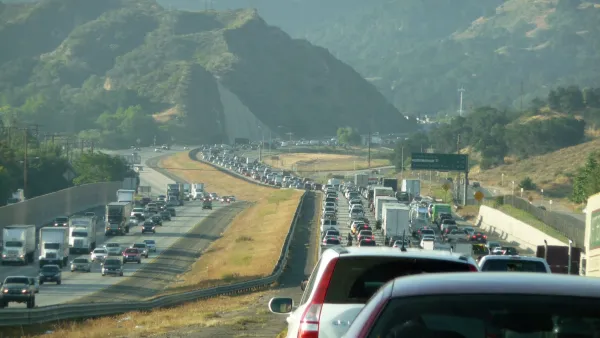
Report: United States Could Cut Transport Emissions by 34 Percent by 2030
The U.S. transportation sector is on track to reduce emissions by 19 percent by the end of the decade, but a new report indicates the public and private sectors could implement policies that would cut emissions by as much as 34 percent.

Report: The West Is the Worst for Air Quality
Thanks to longer fire seasons and increasingly intense blazes, Western states are experiencing the nation’s worst air quality.

FREE Course: Walkable City 1: Why Walkability?
After describing his path towards focusing on walkability as the essence of good planning, Jeff Speck marches through his five principal reasons for making more walkable places.
Reinventing Malls: Planning Alchemy—Turning Gray Fields Into Gold
The course focuses on the opportunities and imperatives that shape reinvention of mall sites.

City of Rosemead
Rutgers University, Edward J. Bloustein School of Planning and Public Policy
One Hundred Miles
Hunter College, City University of New York (CUNY)
The Architects Foundation
University of Cincinnati Online
City of Cambridge
Montrose County
The Pocatello Development Authority









