Car-Centric Planning
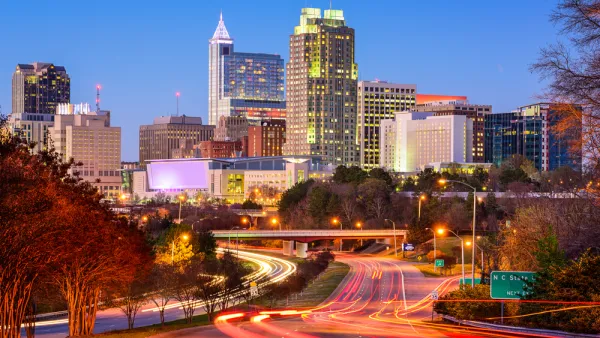
Planners Working on Parking Reform Legislation in Raleigh
Raleigh, North Carolina is the latest in a series of cities pursuing a significant departure from the 20th century planning status quo.
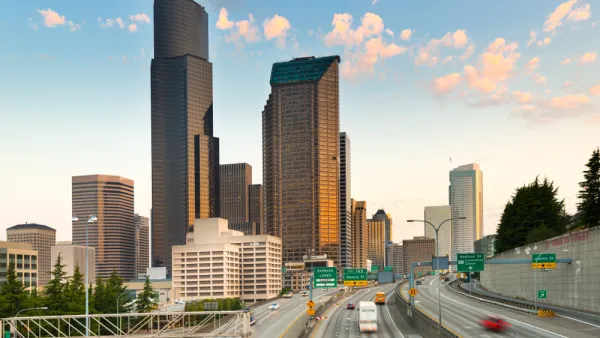
I-5 Widening Kicks Off in Downtown Seattle
Congestion relief is promised as the Washington Department of Transportation begins to rework the existing I-5 roadway in Downtown Seattle to mitigate a stretch of freeway with a reputation as the state's worst bottleneck.
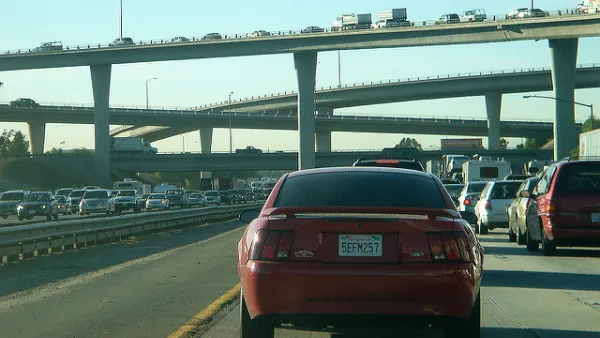
If You Build It, Cars Will Come: the Common-Sense Logic of 'Induced Demand'
Highway expansion has been shown, time and again, to increase traffic and congestion. Cities are finally getting the message.
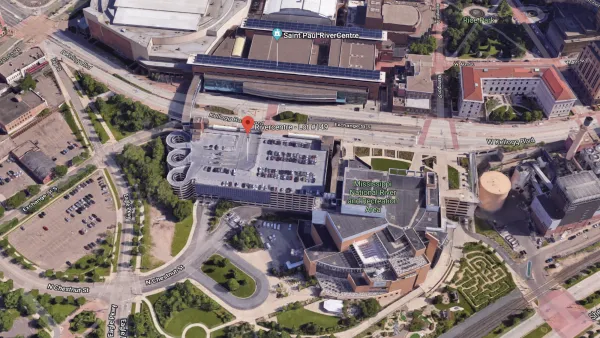
Parking Reforms Under Consideration in St. Paul
Two options for significant parking reforms are under consideration in St. Paul. The City Council could decide to eliminate parking requirements entirely as soon as this summer.
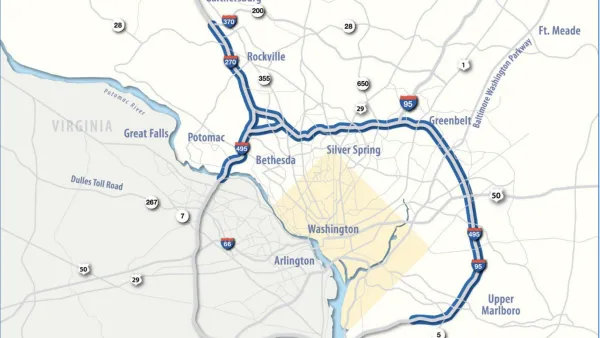
Maryland's Controversial Highway Widening Proposal Scaled Back
Interstate 270, the Capital Beltway, will no longer by widened as part of the I-495/I-270 Managed Lanes Project.
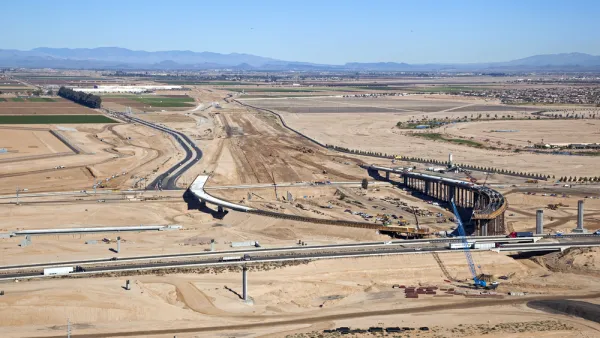
GOP Counterproposal Aims to Restore the Infrastructure Status Quo
Of the $568 billion in spending proposed by the "Republican Roadmap," $299 billion would go to infrastructure for cars.
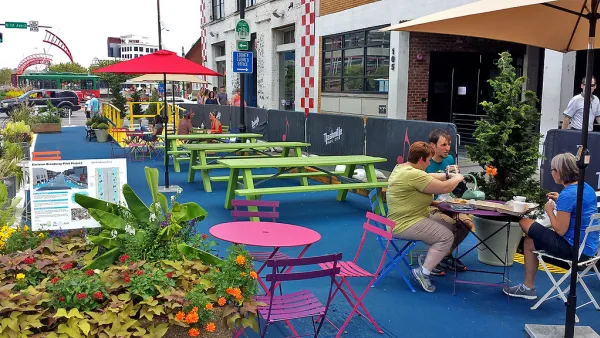
Op-Ed: Don't Reverse the Progress Made by 'Pandemic Streets'
In many cities, the public realm saw a drastic shift towards pedestrian-oriented infrastructure. The L.A. Times editorial board argues we should keep it that way.
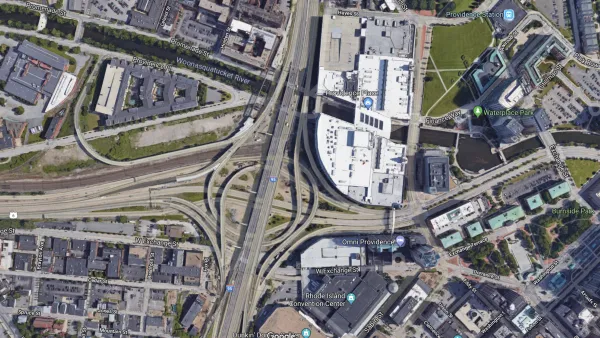
The Foundational Myth of America's Interstate Highway System
The erroneous belief that the negative impacts of interstate highways are simply "unintended consequences" fails to demand accountability for the project's failures.
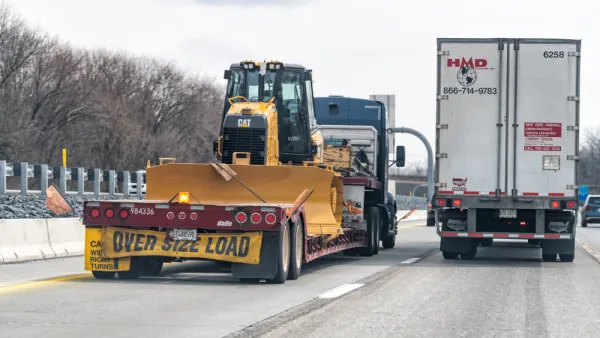
PennDOT Sees Dollars for Interstate Widenings in Biden's Jobs Plan
Despite the narrative about infrastructure spending priorities shifting toward emissions-reducing investments in the American Jobs Plan, the car-centric status quo expects more of the same.

Massive Tejon Ranch Development Paused; Judge Cites Wildfire, Greenhouse Gas Emissions
In the works since 1999, the Centennial Project by Tejon Ranch Co. seemed to have cleared its final hurdle in 2018, but a Los Angeles County court ruling has created another hurdle for the sprawling development.
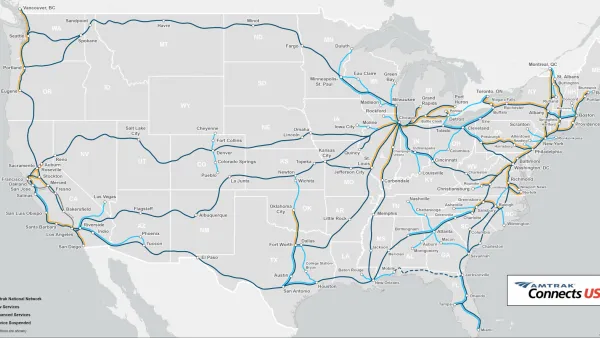
Infrastructure and its Discontents
The significance of the Biden administration's expansive view of infrastructure is reflected in the flood of commentary published in the week since the public's first look at the American Jobs Plan.
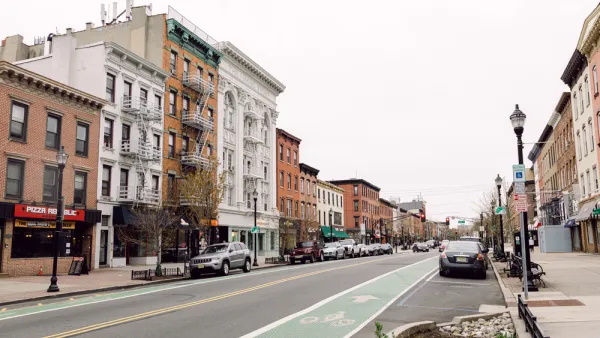
No Traffic Deaths for Three Years: The Story of Hoboken's Vision Zero Success
Hoboken has spent the past several years investing in new bike infrastructure, and traffic collisions of all kinds have since decreased.
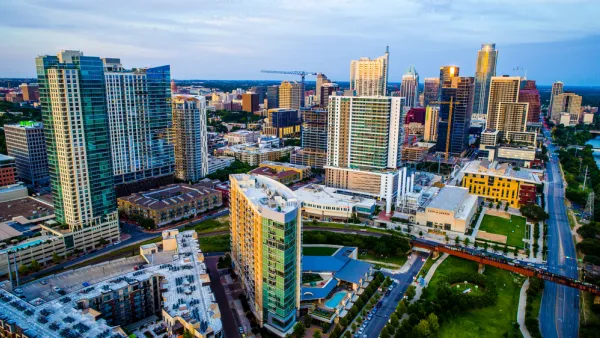
Austin City Council Urges TxDOT to Reconsider I-35 Expansion
In a letter to the department, the city called for an increased focus on shifting demand away from single-occupancy vehicles and boosting other forms of transportation.
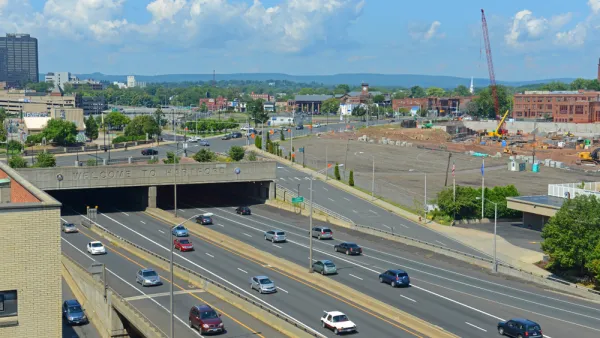
Undoing the Destructive Legacy of Hartford's Interstates
A new plan would spend an estimated $17 billion to remove a huge chunk of the Interstate Highway System's footprint in Hartford, Connecticut.
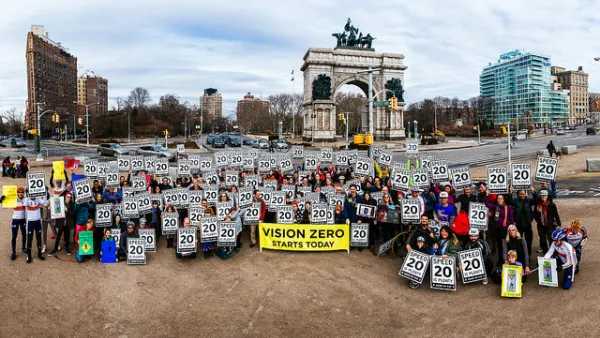
Zero Traffic Deaths Isn't as Far Fetched as It Sounds
Even supporters of Vision Zero—a goal to eliminate traffic fatalities from roadways adopted by cities and states all over the United States—doubt that such lofty ambitions are possible. But there are plenty of reasons to believe in the cause.
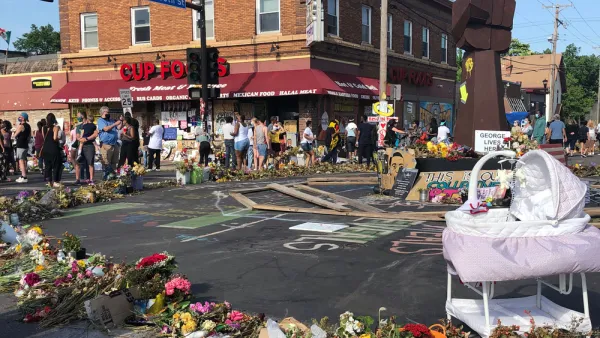
Oklahoma House Approves Protections for Drivers Who Hit Protestors
A heated debate and a party line vote in Oklahoma.
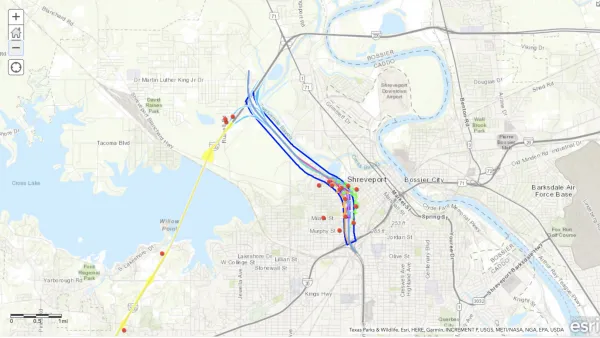
I-49 'Connector' Planned for Historic Black Neighborhood in Louisiana
A record of decision is expected soon for a plan to build a freeway connector through the neighborhood of Allendale in Shreveport, Louisiana.
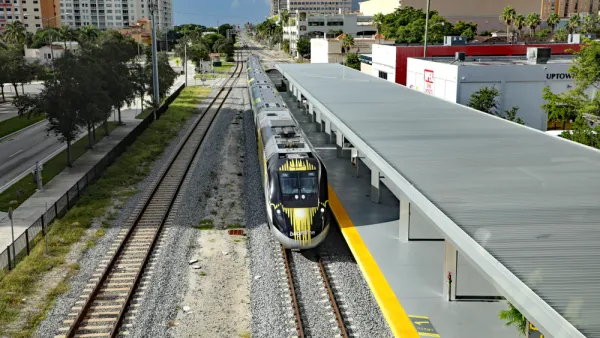
Deadline for Brightline Plan Comes With Strings Attached
Officials from Brightline recently signed an agreement that dictates terms for the study of an extension of the private rail system between Orlando and Tampa.
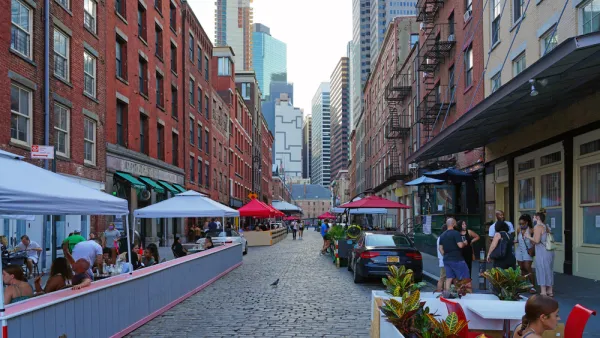
Did the Pandemic End the Car's Domination of New York Streets?
Imagining a post-car (or car-lite) New York City.
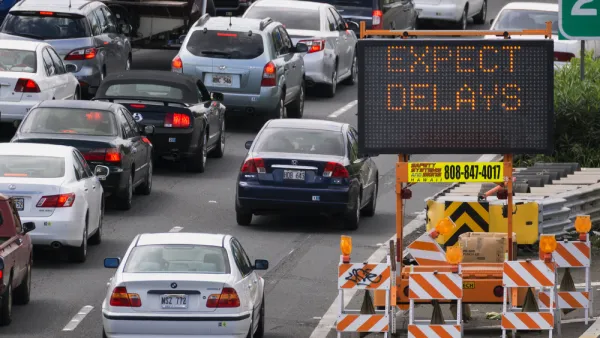
Reversing Car Dependency
A new report examines how governments can encourage citizens to use alternatives to private cars in order to reduce car dependency.

FREE Course: Walkable City 1: Why Walkability?
After describing his path towards focusing on walkability as the essence of good planning, Jeff Speck marches through his five principal reasons for making more walkable places.
Reinventing Malls: Planning Alchemy—Turning Gray Fields Into Gold
The course focuses on the opportunities and imperatives that shape reinvention of mall sites.

City of Rosemead
Rutgers University, Edward J. Bloustein School of Planning and Public Policy
One Hundred Miles
Hunter College, City University of New York (CUNY)
The Architects Foundation
University of Cincinnati Online
City of Cambridge
Montrose County
The Pocatello Development Authority









