Car-Centric Planning
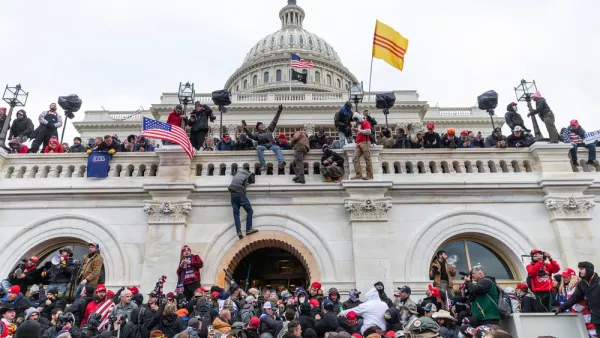
Year in Review: Urban Planning in 2021
Part one of two of Planetizen's review of 2021—re-assessing failed predictions and daylighting the biggest planning stories of the year.
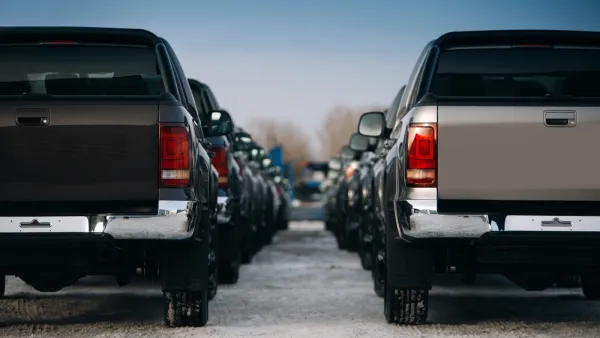
Friday Funny? Cartoon Lampoons the Growing Size of Trucks and SUVs
The Nib takes on the latest trend in car culture: massive vehicles.
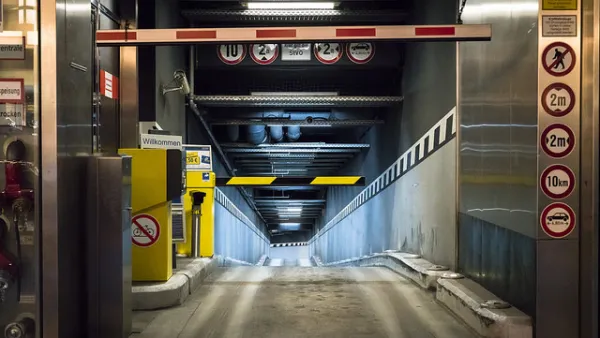
Condo for Cars Planned in Toronto
Car condos are coming to North America's largest cities—first New York and now Toronto.
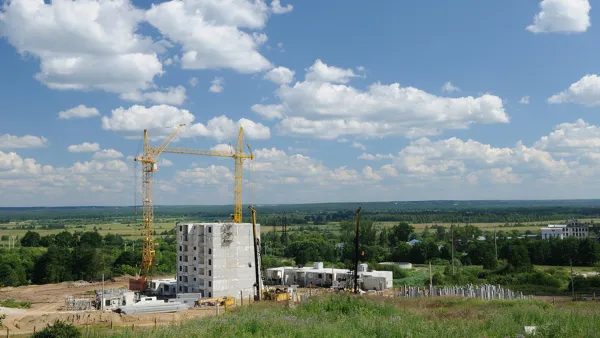
What Is Greenfield Development?
Greenfield land has remained untouched by previous development. Some definitions of greenfield land also include agricultural land. Thus, greenfield development encroaches on the natural environment to expand the built environment.
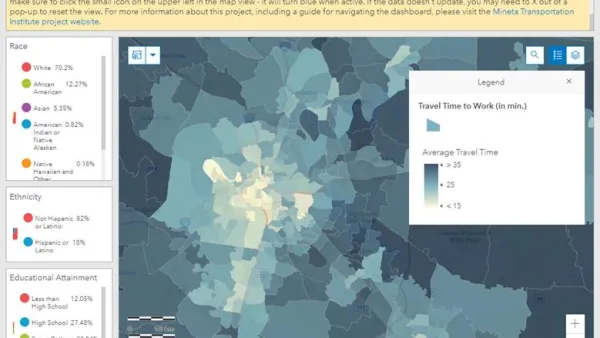
Getting to Work: New Commute Duration Heatmaps
The Mineta Transportation Institute's new interactive website produces heatmaps that illustrate commute duration—the number of minutes that workers spend traveling to their jobs—plus related information, for most U.S. communities.
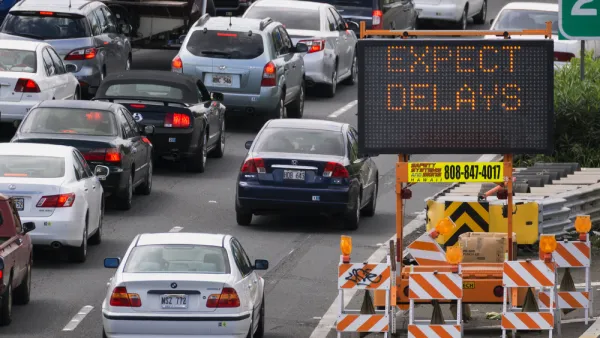
What Will It Take for the U.S. to Kick the Car Habit?
Government played a big role in creating the car-centric United States that exists today. Climate change requires that government take the lead in reducing automobile dominance.
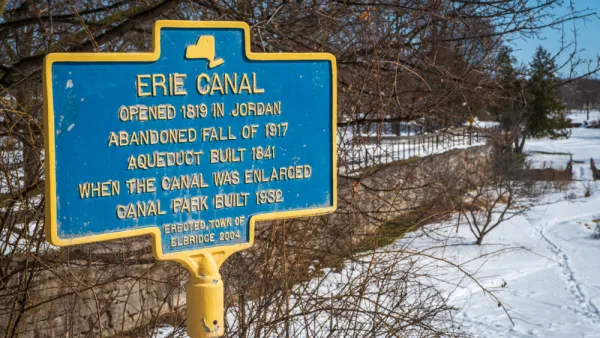
When Infrastructure Investments Go Wrong
The United States has a near perfect track record of building the infrastructure it thinks it needs. But the country and its various state and local governments, don't always get the vision right.
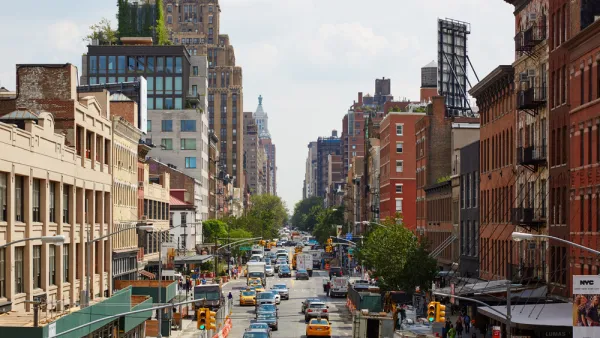
Environmental Assessment for Manhattan Congestion Pricing Scheduled Until December 2022
An idea approved in 2019 which spent the last two years stuck in Trump and Covid limbo, will only now begin a slow march toward final approval.
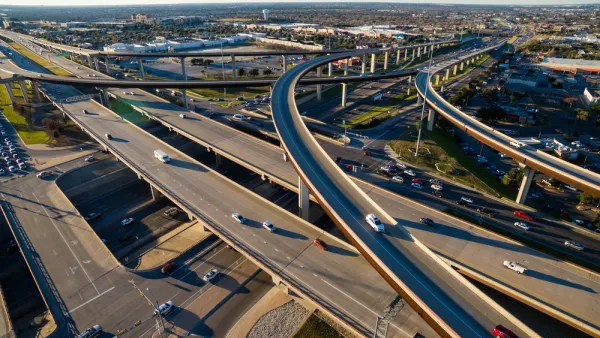
TxDOT Moving Forward With Plan to Widen I-35 in Austin
The Texas Department of Transportation (TxDOT) wants to spend $4.6 billion to expand Interstate 35 in Austin despite alternative plans proposed by local groups.
Study: Without Fewer Cars, Cities Will be 'Overrun by Gridlock'
Local leaders must invest in public transit and other incentives to reduce the number of private vehicles and congestion in cities.
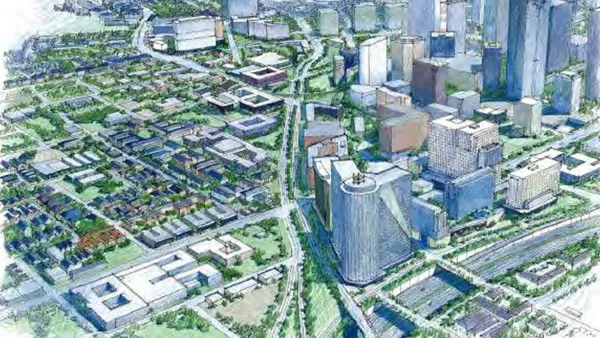
The Freeway Removal Cause Gains Momentum—But Don't Forget Gentrification and Displacement
The case for freeway in urban areas isn't as unequivocal as it might seem. Plans to undo the damage of the legacies of past freeway planning need to ensure an inclusive future.
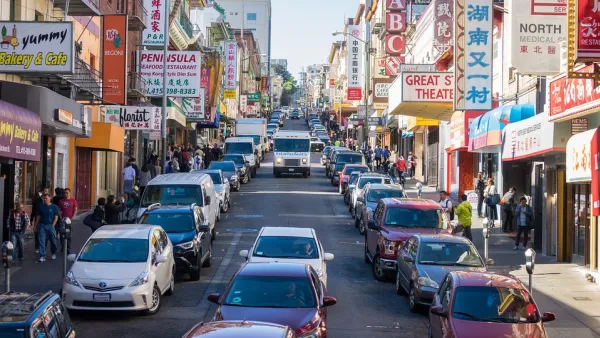
A Critical Evaluation of the Urban Mobility Report
The Urban Mobility Report (UMR) evaluates traffic congestion problems and recommends congestion reduction solutions. How well does it reflect travelers' priorities?
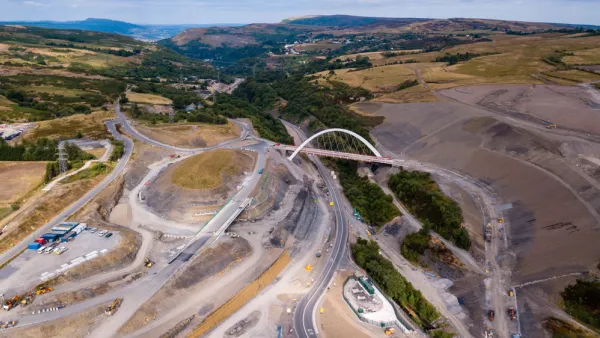
Wales to Cease Road Construction Projects in Bid to Achieve Net Zero Emissions
The Welsh government is taking a bold stand for climate action.
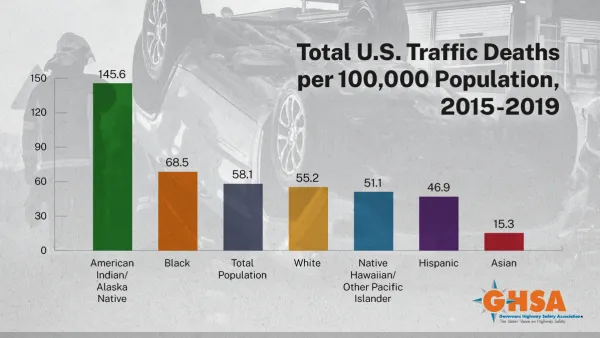
U.S. Traffic Fatalities Increased Most for Black Americans During the Pandemic
Two new reports confirm the racial disparities of traffic violence in the United States, revealing more proof about who stayed home during the pandemic, and who was forced to navigate the risks of the pandemic in public.
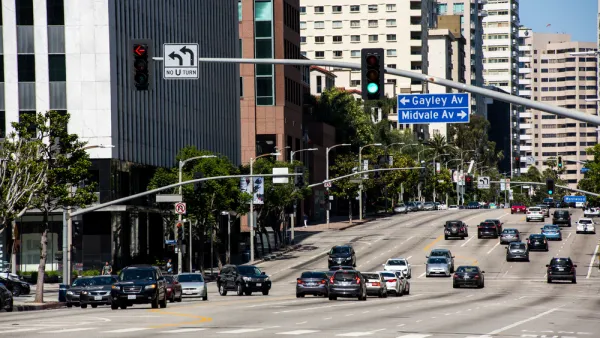
Reducing Car Trips in L.A.: Transportation Demand Management Ordinance Could Be Expanded
The proposed expansion would affect smaller multi-family developments and include incentives for reducing travel during peak hours and encouraging transit, walking, and biking.
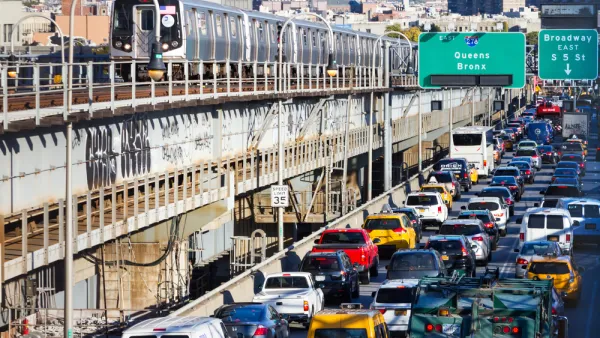
15 of the 'Worst Highways in America'
The Congress for the New Urbanism's "Freeways Without Future 2021" report leverages the current political moment by spotlighting 15 U.S highways for removal.
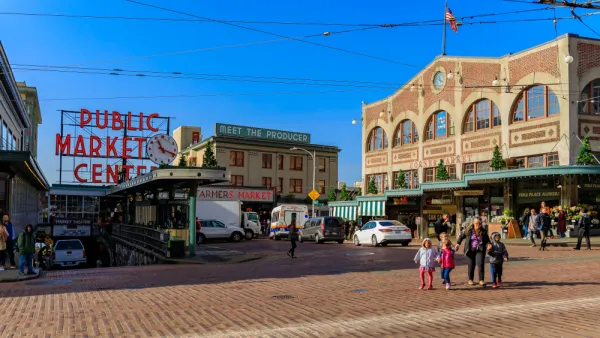
The 5 Worst Streets in Seattle
Want to know which streets are most likely to produce a negative emotional response among Seattle transportation safety advocates? Read on.
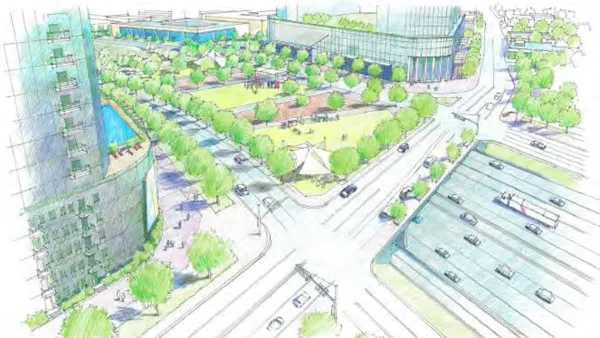
TxDOT Promises to Reverse Some of the Damage Caused by Urban Freeways in Dallas
The Texas Department of Transportation (TxDOT) is in the early stages of planning for two projects that could leverage plans to rebuild two freeways in the city with plan to reconnect the neighborhoods they severed.
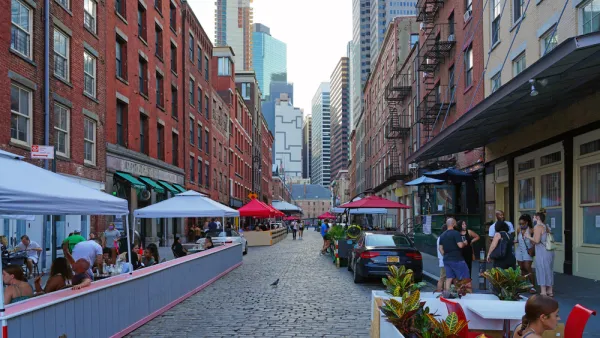
The Next Mayor Will Have to Decide in New York's Post-Pandemic Parking Conflicts
The ongoing political controversy about the priorities of the public realm in New York City is likely to last into the next mayoral administration.
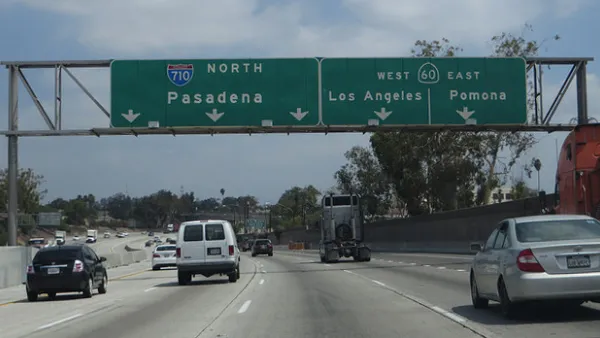
L.A. Metro Denounces—but Doesn't Scrap—710 Freeway Expansion Plan
The agency's board members spoke out forcefully against air pollution and displacement, but stopped short of completely rejecting the project, looking instead to cleaner vehicles and regulations that mitigate community concerns.

FREE Course: Walkable City 1: Why Walkability?
After describing his path towards focusing on walkability as the essence of good planning, Jeff Speck marches through his five principal reasons for making more walkable places.
Reinventing Malls: Planning Alchemy—Turning Gray Fields Into Gold
The course focuses on the opportunities and imperatives that shape reinvention of mall sites.

City of Rosemead
Rutgers University, Edward J. Bloustein School of Planning and Public Policy
One Hundred Miles
Hunter College, City University of New York (CUNY)
The Architects Foundation
University of Cincinnati Online
City of Cambridge
Montrose County
The Pocatello Development Authority









