Social / Demographics
Model Predicts Next U.S. Coronavirus Epicenter
For the third consecutive day, COVID-19 cases in the Sunshine State have set records, exceeding 4,000 for the first time. PolicyLab in Philadelphia now predicts Florida will be the epicenter of the pandemic in the U.S. by mid-July.
City vs. State: Mayors Want Power to Require Mask Wearing to Slow Coronavirus Spread
Coronavirus cases are surging in the Lone Star State's urban areas, so mayors of nine of its largest cities asked Greg Abbott for the power to mandate the wearing of masks or facial coverings, prohibited by executive order, to slow viral spread.
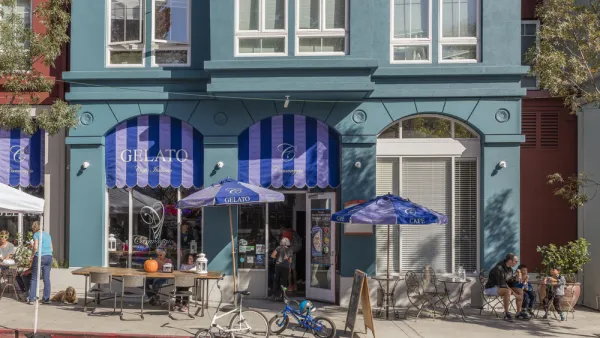
Prioritizing Open Air Spaces in Pandemic Recovery Efforts
Businesses and public health officials are working together to develop guidelines to provide goods and services to the public safely. They're visioning creative ways to bring businesses outdoors and promoting al fresco spaces.

The Trump Administration's Environmental Policies Have Consequences for Black Lives
A Trump administration decision not to tighten Clean Air Act restrictions on soot pollution will have more consequences for Black Americans.
CDC Documents Racial Disparities of COVID-19 Illness
New data from the Centers for Disease Control and Prevention provides the federal government's most complete picture of the demographic data of COVID-19 illness.
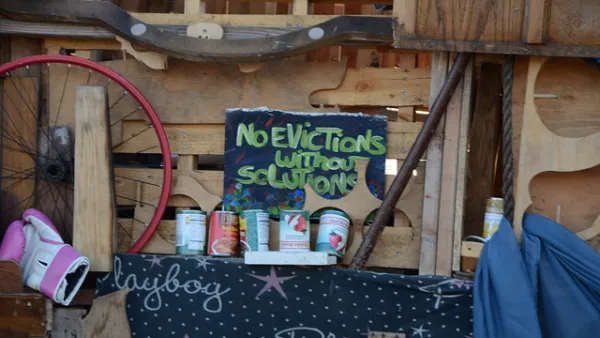
Black Americans Facing Eviction on a Massive Scale
Many Americans won't be able to pay the rent in July. Black people are more likely to rent and will bear the brunt of a wave of evictions.
Disorder is Not Destiny
Do protests and riots inevitably lead to crime waves and flight to suburbia? Not always.

Sun Belt Cities Need a New Approach to Urbanism
The unique growth and challenges facing large cities in the U.S. Sun Belt will require a break from the kinds of policies generated to serve Northeastern and Midwestern cities over the course of U.S. history.
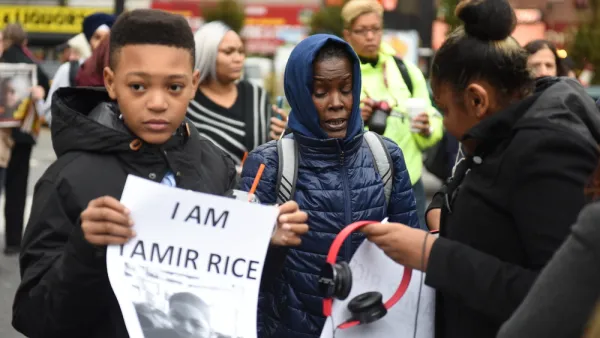
Planning Beyond Mass Incarceration
Sheryl-Ann Simpson from Carleton University, Justin Steil from MIT, and Aditi Mehta from the University of Toronto write about a recent article they co-authored in the Journal of Planning Education and Research.
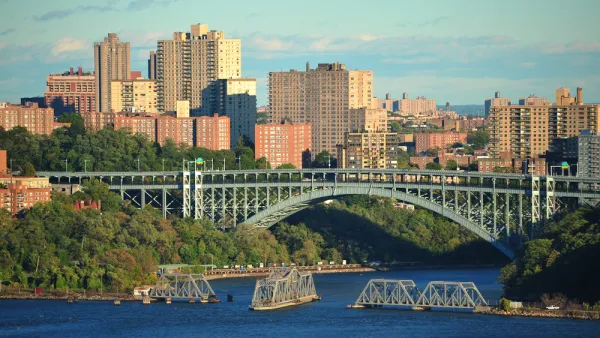
Lack of Racial Impact Analysis Opens Inwood Plan to Legal Challenge in New York City
New York City is appealing a judge's decision to toss the Inwood NYC Action Plan, approved by the city in 2018. Next City describes the racial justice implications of the court case and the plan.
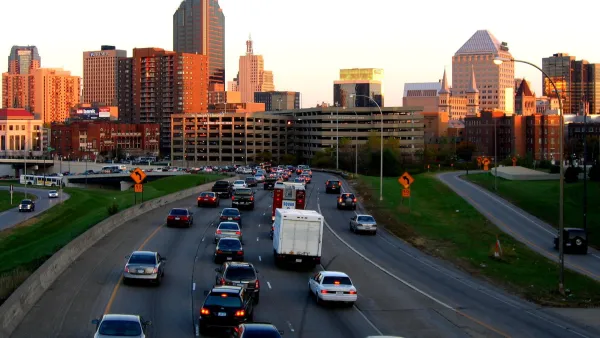
Interstate 94's Legacy of Racial Injustice in the Twin Cities
The symbolism behind highway protests brings demonstrators to occupy Interstate 94 between St. Paul and Minneapolis.
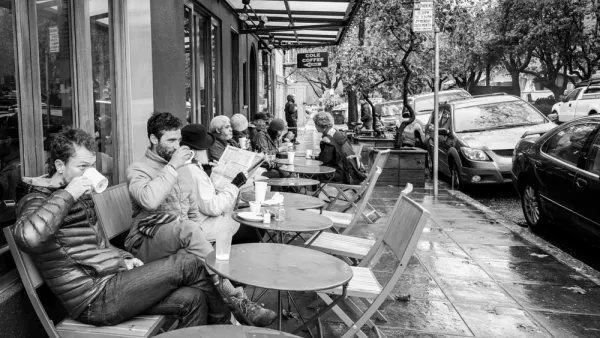
Demand for City Living Hasn't Declined Yet, According to Real Estate Searches
Media is full of stories about people fleeing the city for suburban or even rural climes during the pandemic. The data from real estate search sites tell a different story.
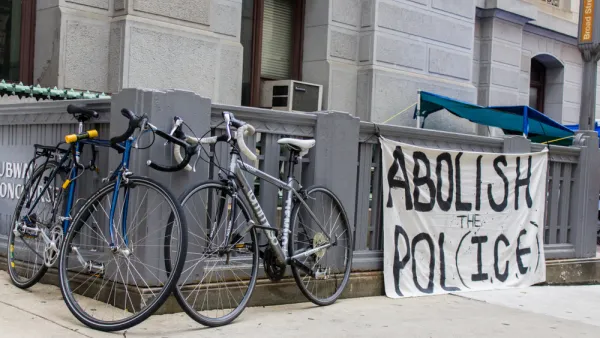
The Bike as a Symbol of Freedom
It's no geographic accident that so many of the images emerging from nationwide protests have featured numerous protestors on bikes. These forces have been coalescing for years.
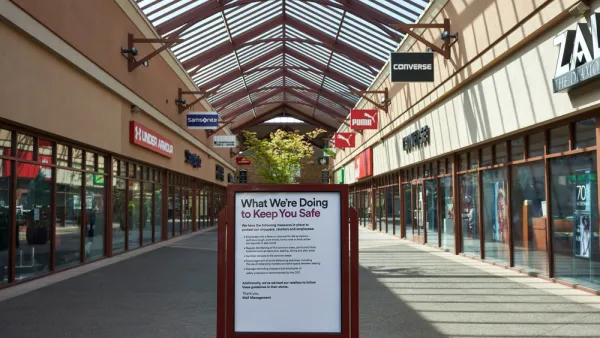
What's So Special About Oregon and Utah?
These two Western states did something that none of the 20 other states in the nation going the wrong way in the pandemic have yet to do: they paused their reopening plans due to rising coronavirus infections and hospitalizations.
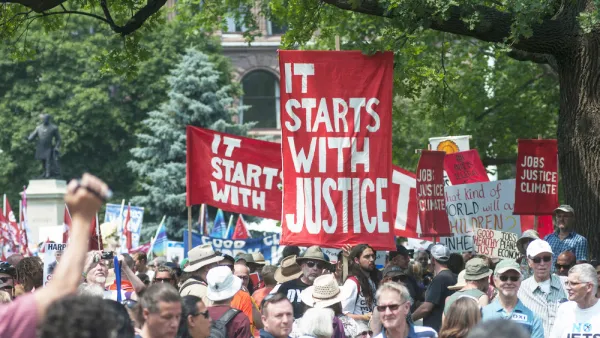
Lack of Progress on Racial Justice Is Blocking Progress on Climate Justice
Climate justice and social justice are closely linked. Black climate expert Ayana Johnson explains why racial justice strides are required to make leeway for climate change issues.
Academic Studies: Staying at Home Saved Millions of Lives Globally
Separate coronavirus studies from the University of California at Berkeley and Imperial College London published June 8 in the journal Nature show the life and health-saving value of domestic stay-at-home orders, global lockdowns, and other measures.
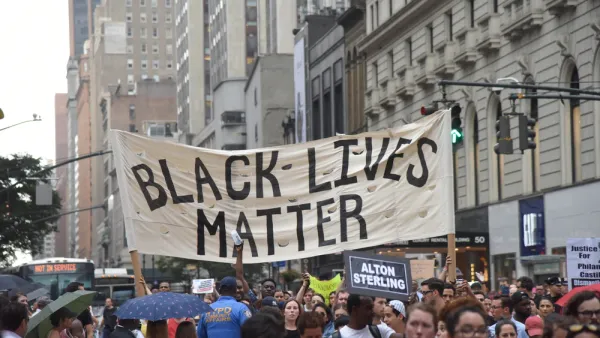
Watch: Responding to Anti-Black Racism in Planning and Urbanism
A must-watch conversation between BIPOC researchers and advocates working in the realm of planning and urbanism is available to watch on YouTube.
Another Way to Achieve Racial Justice: Zoning Reform
An opinion piece calls out suburban communities for perpetuating structural inequality and housing discrimination. Recently converted social justice advocates should focus their zeal on zoning reform, according to the argument that follows.

Racial Disparity in Home Lending Is Today's Redlining
According to a new report detailing discriminatory lending in Chicago, people in majority-white neighborhoods continue to receive more loans, and in greater amounts, than people in majority-Black and majority-Latino areas.

The Pandemic's New Epicenter
On May 22, the World Health Organization declared Latin America the new epicenter of the coronavirus pandemic. Brazil is second in the world in reported cases after the U.S., and Ecuador, Peru, Chile, and Mexico are also suffering disproportionately.

FREE Course: Walkable City 1: Why Walkability?
After describing his path towards focusing on walkability as the essence of good planning, Jeff Speck marches through his five principal reasons for making more walkable places.
Reinventing Malls: Planning Alchemy—Turning Gray Fields Into Gold
The course focuses on the opportunities and imperatives that shape reinvention of mall sites.

City of Charlotte
City of Rosemead
Rutgers University, Edward J. Bloustein School of Planning and Public Policy
University of Michigan School for Environment and Sustainability (SEAS)
Hunter College, City University of New York (CUNY)
The Architects Foundation
University District Partnership









