Social / Demographics

The Political Semantics of Housing Segregation
Two authors agree that housing policies in the War on Poverty have failed. Are those policies too progressive, or not progressive enough?
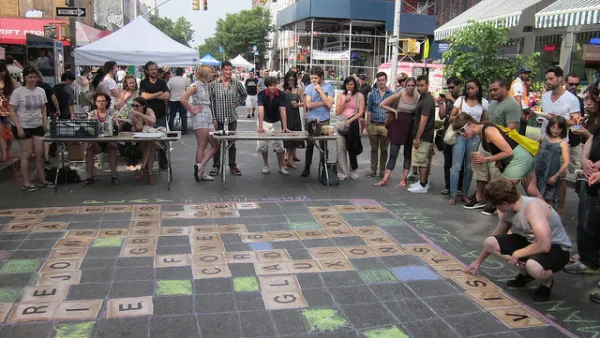
Friday Funny: Hipster Havens in All 50 States
Everyone has heard about Silver Lake, the Mission, and, of course, Brooklyn. But what about East Village, NuLu, Fondren, and Haymarket? Hipsters are everywhere! These are the top hipster neighborhoods—the Brooklyns, if you will—in all 50 states
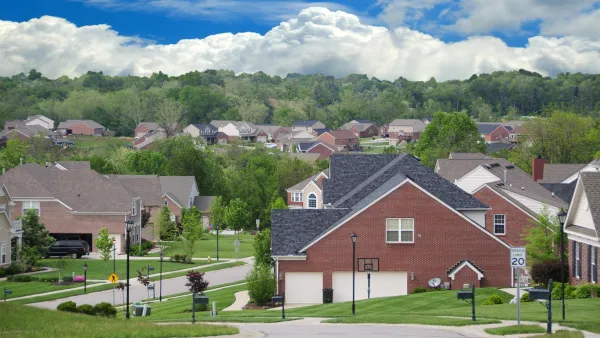
The Changing Face of Suburban America
As the nation becomes more racially diverse, so too do the suburbs.
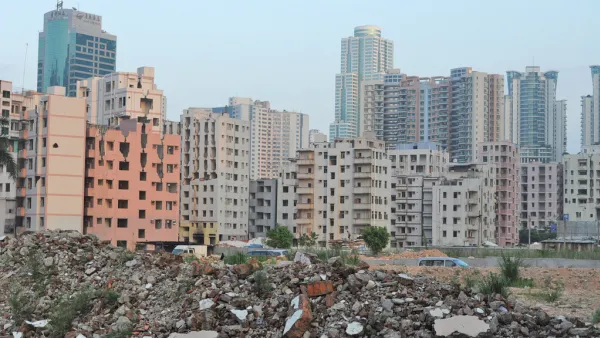
Op-Ed Decries the Idea of the 'Triumph of the City'
An unflinching op-ed begs a rethinking of narratives that cheer the "Triumph of the City." In the contemporary city, the argument goes, only the rich are better off from urbanization.
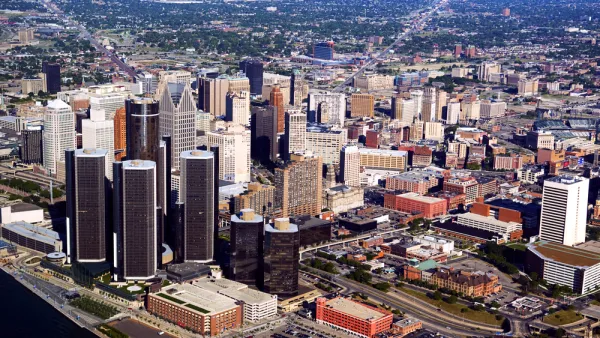
Most Downtowns Still Lagging Behind
Central districts have been surging back since the 1980s. But in most cities, the upper third of earners still favor outlying areas and are underrepresented closer to downtown.
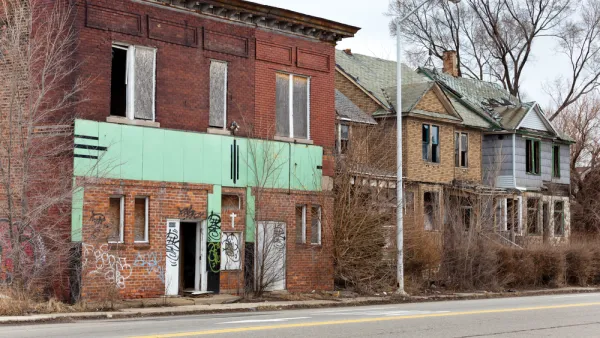
Map Depicts Nationwide Geography of Inequality
An analysis and accompanying interactive map from the Urban Institute show where the nation's richest and poorest tend to live. The map tells a tale of deeply ingrained wealth segregation.
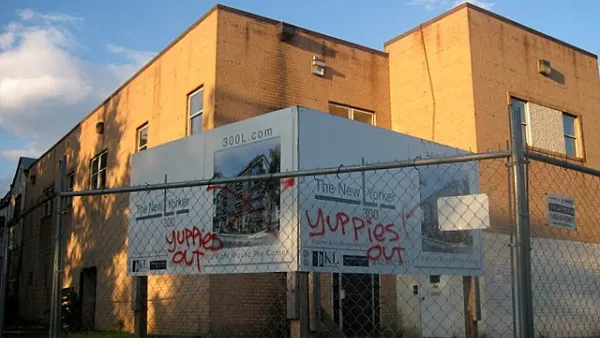
Op-Ed: Newer Model Density Falls Short of its Promise
The general principle is simple: more density equals lower prices and less environmental impact. But suburbia's imprint is deep, both on cities themselves and on how we expect to inhabit them.
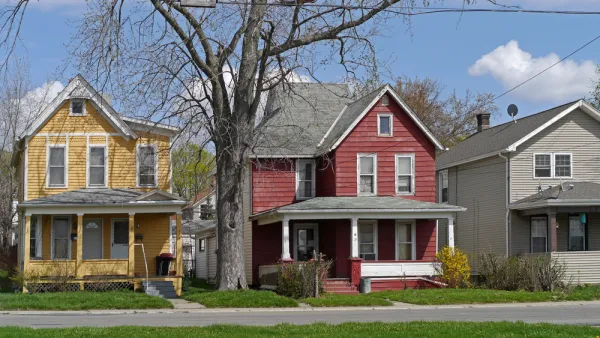
All-White Neighborhoods Are Nearly Extinct; All-Black Neighborhoods Persist
The good news is that middle-class suburbs are becoming increasingly integrated. However, a closer look at the migration patterns of whites and minorities reveals a more complex picture, rife with racism.
Poverty Shifts to the Twin Cities Suburbs
A recent report finds that more people are living in poverty in suburban areas than in the more urban areas of the Twin Cities region.
New App from the U.S. EPA Maps Environmental Justice
A publicly available web tool allows access to maps that overlay environmental impacts and the populations they impact (or the populations that manage to avoid such impacts, for that matter).
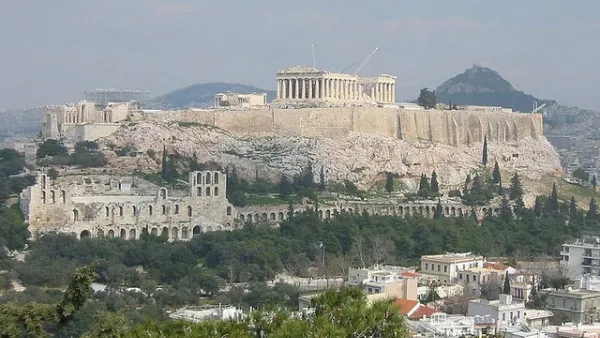
How Cities Inspire Deep Thoughts
As abstract as the study of philosophy may seem, it has to take place somewhere. Philosophy professor David Kishik posits that cities have influenced the development of philosophical ideas, from Socrates' Athens to William James' New York.
Citi Bike Tackles Biking's Gender Gap
New York City's bike share program, Citi Bike, enjoys a greater percentage of female cyclists that the city as a whole, but still only reaches 25 percent. The problem is typical of bike share programs in the United States.
Deaths Outnumber Births in Rural Virginia Counties
A decade ago many of Virginia's rural counties were among the fastest growing in the country, but in most of Virginia's counties deaths now outnumber births, and county populations are consequently growing more slowly or declining.
Friday Eye Candy: Map Shows Every Job in the United States
Looking for granular illustrations of the details of local economies? Look no further.
The Counties With the Fastest Growing Population of Older Americans
The country as a whole is getting older—though some counties are aging faster than others.
The Inuit: A View From the Top of the World
A little history on the Inuit of the Circumpolar Region as the kickoff in a blog series by Hazel Borys
Houston's Main Street Crosses a Spectrum of Wealth and Poverty
A feature in the Houston Chronicle explores the economic segregation of Houston along the axis of Main Street—with low income neighborhoods like Independence Heights to the north and affluent neighborhoods like Old Braeswood to the south.
The Passaic River: A Postindustrial River Reimagined
Writer Jeff Byles chronicles the Passaic River's relationship to Paterson, New Jersey and how its revival can prove beneficial for the city in this second installment of the Paterson series.
10 Leading Black Urbanists
A post for The Corner Side Yard broadens the definition of urbanism as a field of practice to include more African Americans in the discussion of who has influence in improving cities.

Millennials Lead in Alternate Mobility
It's no secret that Millennials will use alternate modes when they're available and accessible. It's also no secret that adapting streets to those modes—and using them—can be a bargain.

FREE Course: Walkable City 1: Why Walkability?
After describing his path towards focusing on walkability as the essence of good planning, Jeff Speck marches through his five principal reasons for making more walkable places.
Reinventing Malls: Planning Alchemy—Turning Gray Fields Into Gold
The course focuses on the opportunities and imperatives that shape reinvention of mall sites.

City of Charlotte
City of Rosemead
Rutgers University, Edward J. Bloustein School of Planning and Public Policy
University of Michigan School for Environment and Sustainability (SEAS)
Hunter College, City University of New York (CUNY)
The Architects Foundation
University District Partnership









