How can we redirect our city building into a form that can handle the expected doubling of urban residents over the next 40 years? Great ideas can be found in this collection of soundbites from the film, "The Human Scale."


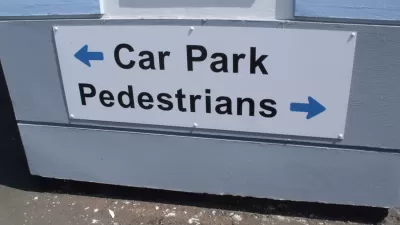
"We have known this about the motorcar: if you make more roads, you will have more traffic. Now we know about cities: if you make more places for people, you will have more public life. In cities that have done away with their pubic spaces, life has become totally privatized." ~Jan Gehl @citiesforpeople
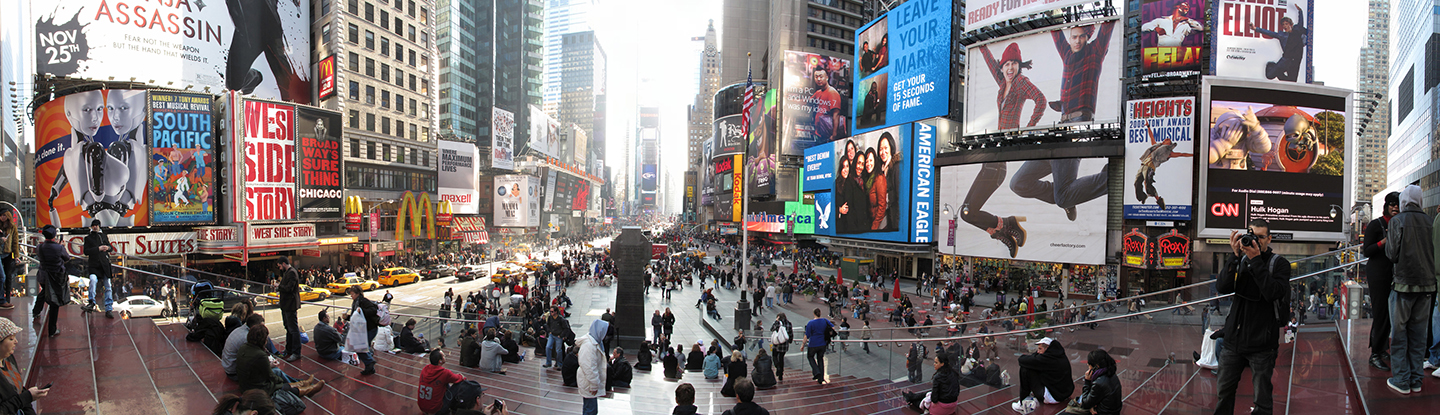
"If you are a Robert Moses-type planner, you want to separate things, and extinguish the possibility for life to pop up. A concrete system in equilibrium (the Moses legacy of things moving quickly) is not what makes the city fantastic. Before the recent prioritization of pedestrians and cyclists, the image of New York City was of a throng of taxis in Times Square. The brand wasn’t the pedestrian experience." ~Jeff Risom @risomj
In a post for PlaceShakers, Hazel Borys goes on to excerpt salient points from various city planning leaders quoted in the film, The Human Scale, and link to their various Twitter feeds.
Read the full story: The Human Scale

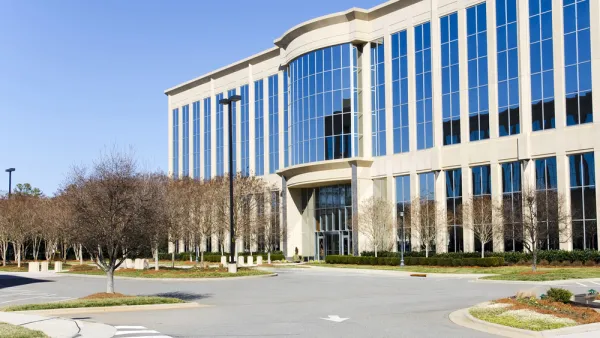
A Deep Dive into Suburban Retrofits
An interview with Ellen Dunham-Jones, co-author of "Retrofitting Suburbia," and Hazel Borys.
Cities of Love: Paris, Boston, Venice, Quebéc City (and Buffalo?)
Spring brings out the romance in cities. Here's a bit of inspiration from Quebéc City...and Buffalo.
Friday Funny: Urbanism Avengers Assemble!
Last week's record setting premiere of the Avengers movie franchise inspired the launch of a planning and design themed legion of superheroes on Twitter. Sommer Mathis interviews the urbanist behind the mask.

Planetizen Federal Action Tracker
A weekly monitor of how Trump’s orders and actions are impacting planners and planning in America.

Amtrak, CN end decades-long dispute with eight-year agreement
The new operating agreement establishes an updated framework for the companies to work together, including processes to resolve disputes.

Judges permit Denver to divert 77,000 acre feet from the Colorado River for reservoir expansion
Overuse and climate change have caused the Colorado River’s water levels to plummet.

NYC DOT wants faster, more permanent street upgrades
The city is examining ways to build more concrete infrastructure without getting entangled in 'decades-long' projects.

'Something we’ve never seen before:' rising utility rates could strain city finances nationwide
Data centers, climate change and other factors have caused utility rates in the United States to increase by 38% since 2020.

Trump to overrule local leaders, lease millions of acres of America’s Pacific Island territories’ seafloors to mining companies
International law says that the Indigenous people of America’s territories have a right to prior and informed consent regarding projects that impact their countries.

FREE Course: Walkable City 1: Why Walkability?
After describing his path towards focusing on walkability as the essence of good planning, Jeff Speck marches through his five principal reasons for making more walkable places.
Reinventing Malls: Planning Alchemy—Turning Gray Fields Into Gold
The course focuses on the opportunities and imperatives that shape reinvention of mall sites.

Harvard University Graduate School of Design
KFH Group Inc.
Greater Baltimore Committee
The Architects Foundation
University of Cincinnati Online
The Pocatello Development Authority
The Urban Renewal Agency of the City of Pocatello