Social / Demographics
Survey Shows Boomers Are Unlikely to Stop Driving
Limited transit options and a lack of walkability mean more older Americans will continue to drive their cars as they age.
Study: Americans Spending Less Time Interacting in Public Space
American pedestrians are moving faster and spending less time connecting with other people when walking down city streets.
Can We Resist Displacement From Transit-Oriented Development?
Transit stations increase nearby jobs and populations, but they could also contribute to displacement. What can we do differently?
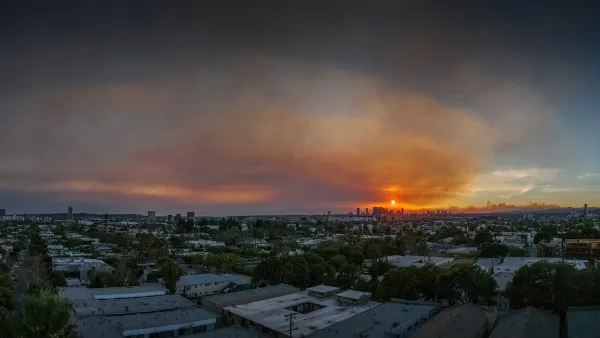
While California Fires Burn On, Residents Take on Rent Gouging
Residents have already seen online listings skyrocketing in price—despite laws against such hikes. With fires still raging, LA and Pasadena tenants are demanding protections against rent raises and eviction.
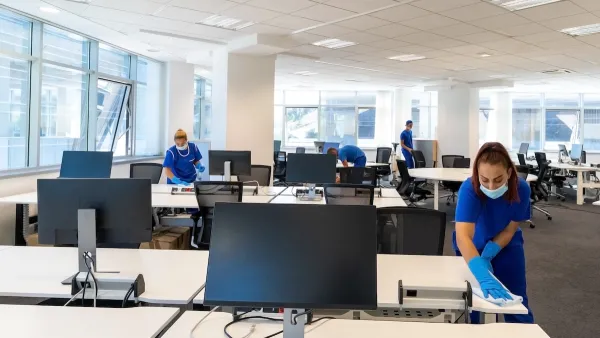
The Ripple Effects of Remote Work
The number of Americans who work from home rose sharply during the pandemic and remains high, posing important questions about the future of transportation and housing.

UCLA Experts Offer Critical Support for LA Wildfire Response and Recovery
The UCLA Luskin Center for Innovation offers expert guidance on LA wildfire response and recovery, addressing critical issues like water safety, air quality, equitable rebuilding, and climate adaptation to promote resilience and sustainability.
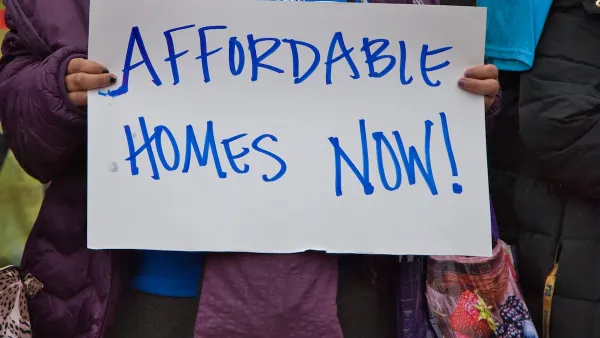
America’s Housing Crisis: Lessons Ignored and Challenges Ahead
A recent study reveals how decades of policy missteps, demographic shifts, and economic forces fueled America’s housing crisis, leaving millions — especially millennials — struggling amid rising demand, racial disparities, and climate-driven emergencies.
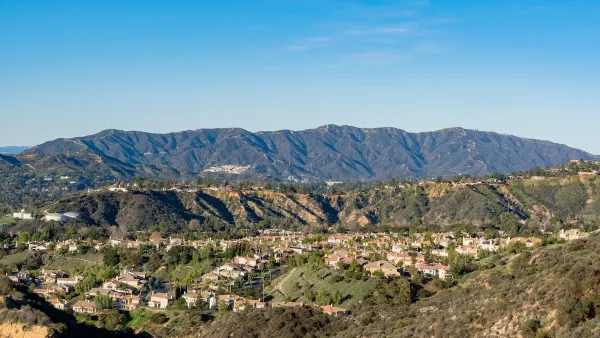
Altadena’s Resilience: Restoring a Fire-Ravaged Community
The Eaton Fire has devastated Altadena, destroying homes, cultural landmarks, and community institutions, while residents rally to rebuild and preserve the town's rich history, diversity, and neighborly character.
How the Trump Presidency Could Impact Urban Planning
An analysis of potential changes in federal housing, transportation, and climate policies.
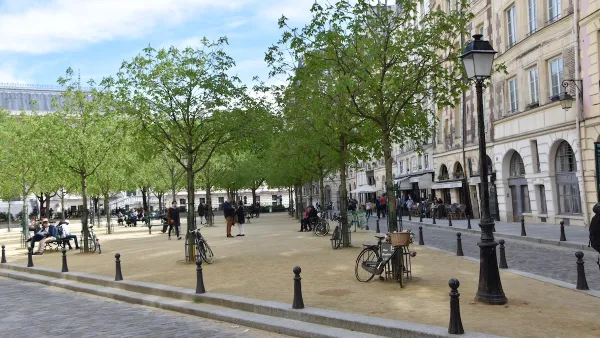
Lost and Found: Fighting Loneliness With Parks and Third Places
To combat the epidemic of loneliness, Susan Henderson's evocative photos of “third places” reflect on how these spaces have evolved and their importance in fostering connection.
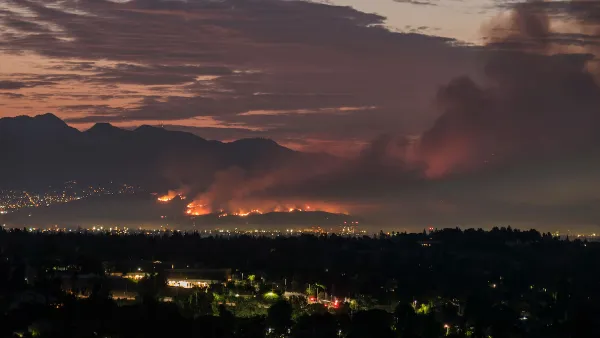
'Place Shock' and the Ecology of Fear
How to conceive of rebuilding places amid sudden change in a region known for its “ecology of fear?” As the city embarks on the arduous task of rebuilding, the question arises: how do we reconcile the imperatives of safety and sustainability with the deeply ingrained human desire for continuity, for a sense of rootedness in the familiar?

Healing Together: LA County Offers Care Camps for Families Impacted by Fires
Los Angeles County Parks has launched free emergency care camps at four locations to support wildfire-affected youth and families with meals, activities, and emotional well-being resources while parents focus on recovery.

Rebuilding After Disaster: The Role of Social Connections in Resilience
Dr. Lucy Jones emphasizes that resilience in the face of climate-driven disasters like wildfires relies on building strong social connections, which empower communities to recover and adapt to an increasingly challenging future.

Key Climate and Health Issues to Watch in 2025
The escalating health impacts of climate change, from extreme heat to sea level rise, highlight the urgent need for integrated medical education, proactive communication, and sustainable policy solutions to protect public health.
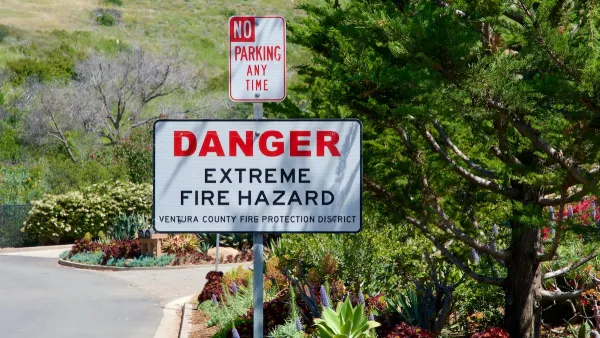
Rising Temperatures and the Escalating Wildfire Crisis
Rising global temperatures driven by climate change are intensifying and prolonging wildfire seasons worldwide, necessitating improved forest management, public awareness, and urgent action to reduce fossil fuel emissions.
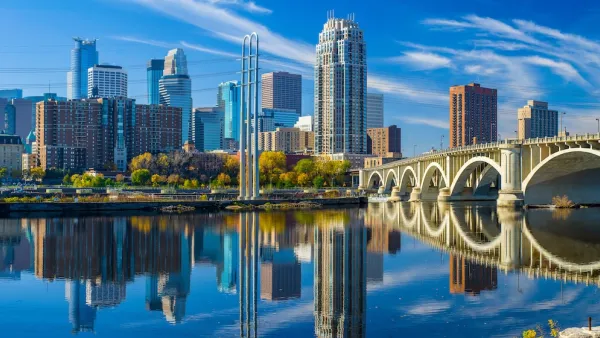
Looking Back on 60 Years of Land Development in the Twin Cities
In 1960, about 12 percent of the Twin Cities metro's land was already developed. By 2020, about 34 percent had been developed. Many factors influenced how the region has changed since 1960.
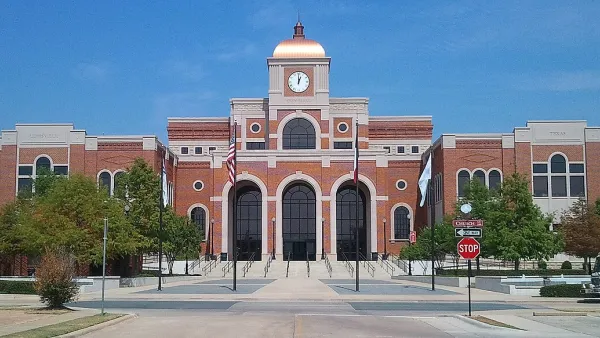
Transforming Communities Through Parks: Lessons from Lewisville
Lewisville, Texas, demonstrates how equitable planning and community-driven efforts can transform underserved areas by enhancing park access and promoting social and recreational equity.
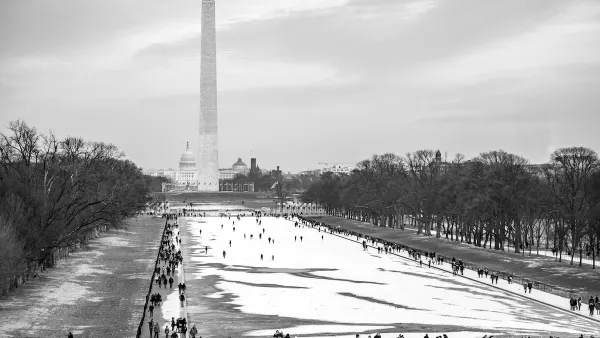
DC Shelters Brace for Extreme Cold
Homeless service providers are conducting outreach to help bring people indoors ahead of a potentially life-threatening winter storm.
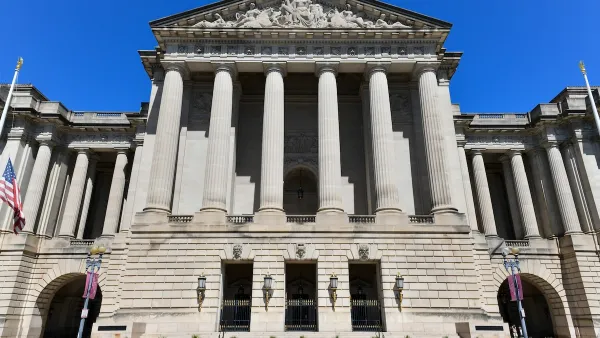
Advancing the National Asian Pacific American Museum
Supporters are mobilizing, fundraising, and facilitating the creation of a compelling Congressional report to secure authorization for a Smithsonian museum that represents and preserves the diverse histories and cultures of Asian Pacific Americans.
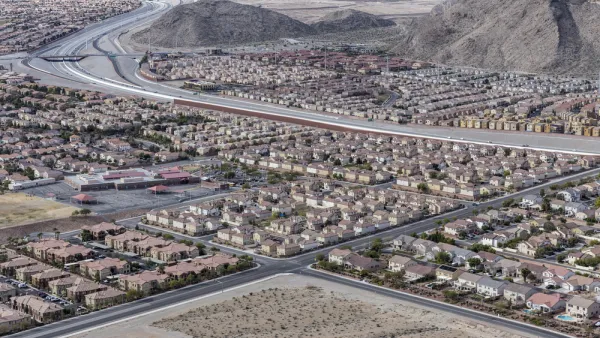
Research: Sprawl Linked to Poverty
Low-income families living in high-sprawl neighborhoods are limited in their access to education, jobs, and other amenities, often trapping them in a cycle of poverty.

FREE Course: Walkable City 1: Why Walkability?
After describing his path towards focusing on walkability as the essence of good planning, Jeff Speck marches through his five principal reasons for making more walkable places.
Reinventing Malls: Planning Alchemy—Turning Gray Fields Into Gold
The course focuses on the opportunities and imperatives that shape reinvention of mall sites.

City of Charlotte
City of Rosemead
Rutgers University, Edward J. Bloustein School of Planning and Public Policy
University of Michigan School for Environment and Sustainability (SEAS)
Hunter College, City University of New York (CUNY)
The Architects Foundation
University District Partnership









