Zoning and funding have kept developers from trying for a megatall project in the city’s already crowded skyline, despite projects at that scale in other parts of the world.


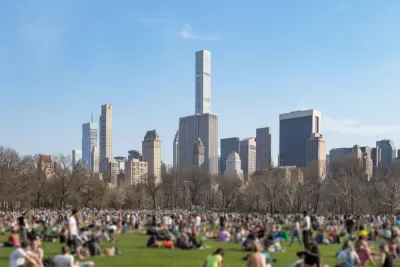
Despite being the most populous city in the United States, New York City has no 2,000-foot tall towers, and developers think that's unlikely to change in the near future. There are no such projects currently in the works. Developers cite the loss of high density zoning and a lack of interest from clients as reasons why this hasn't happened yet.
Mega-tall towers, defined as structures over 600 meters (1,924 feet) by the Council on Tall Buildings and Urban Habitat, are under construction in other cities around the world. "Currently, there are a few megatalls in development or under construction across the world; the tallest, the Jeddah Tower, is on the rise in Saudi Arabia and will rise a whopping 3,281 feet when completed," Amy Plitt reports for Curbed New York.
FULL STORY: Will New York City ever get a megatall tower?

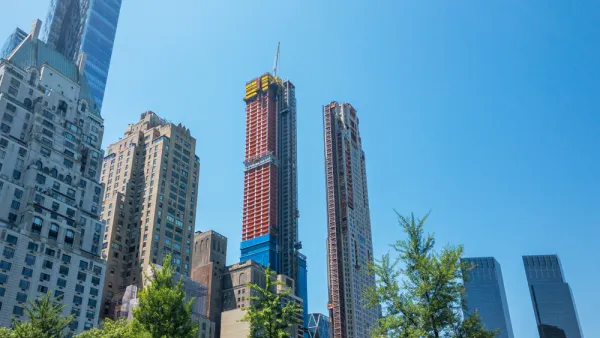
Judge Throws Out Plans for New Residential Skyscraper on Manhattan's Upper West Side
A residential skyscraper proposed for Manhattan's Upper West Side included a mechanical void that predated new rules in the city prohibiting the height-enhancing building practice. A judge still rejected the project as planned.
Op-Ed: By-Right Zoning Allows Tall Buildings But Not Citizen Feedback
A local block association leader expresses frustration with the development approvals process in New York City.
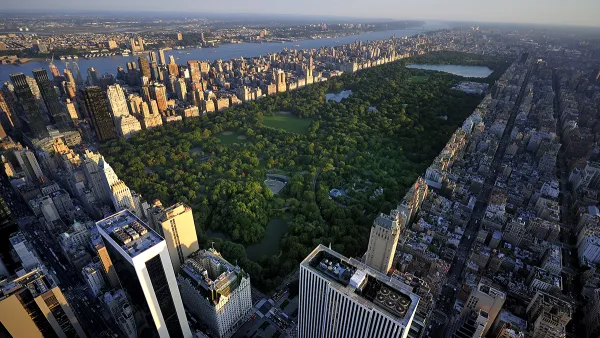
New York City's Skyline Evolves With Tall, Skinny Towers
For better or for worse, the tall, skinny towers that have helped to remake New York’s iconic skyline appear to be growing in popularity among developers.

Planetizen Federal Action Tracker
A weekly monitor of how Trump’s orders and actions are impacting planners and planning in America.

The state-sanctioned urbicide of Austin
People don’t kill cities. Freeways do.

US to reduce Colorado River water deliveries to Mexico
A new Colorado Treaty amendment reduces Mexico’s Colorado River water allocation by 250,000 acre feet.

Mamdani overhauls NYC's Vision Zero plan with 100 new policy goals
The overhaul aims to reduce traffic deaths and make streets safer for pedestrians, cyclists and drivers through lower speed limits, new safety infrastructure and more.

Amtrak not solely to blame for New Jersey commuter rail's unreliability, report finds
A new study from the Garden State Initiative found that NJ Transit’s budget grew 20% across a 4 year period, but reliability declined significantly over the same period.

EPA erases limits on planet-warming pollution from power plants
Under Monday’s plan, power plants would still have some limits on how much mercury, arsenic and other contaminants they can emit.

FREE Course: Walkable City 1: Why Walkability?
After describing his path towards focusing on walkability as the essence of good planning, Jeff Speck marches through his five principal reasons for making more walkable places.
Reinventing Malls: Planning Alchemy—Turning Gray Fields Into Gold
The course focuses on the opportunities and imperatives that shape reinvention of mall sites.

Eagle County Government
Harvard University Graduate School of Design
Nashville Planning Department
The Architects Foundation
University of Cincinnati Online
The Pocatello Development Authority
The Urban Renewal Agency of the City of Pocatello
Journal of the American Planning Association