This report estimates that U.S. cities could save half a trillion dollars by investing in "smart surface technologies." The study takes into account obvious factors like energy use and less intuitive ones like tourism revenues.


A new report says cities could save big by adopting green design features like urban tree cover, green roofs, and reflective pavements. The study, Rachel Dovey writes, "comes from clean energy advisory and venture capital firm Capital E, with funding from the JPB Foundation (and a host of national partners)."
"By crunching numbers in three cities, Washington D.C., Philadelphia and El Paso, authors Greg Kats and Keith Glassbrook conclude that investing in what they term 'smart surface technologies' could deliver roughly half a trillion dollars in net financial benefits nationally."
Examples include an expanded urban forest in D.C. to provide energy-saving "ambient cooling," as well as less obvious benefits like the preservation of Philadelphia's tourism sector as temperatures rise.
"But many of the benefits [the report] analyzed," Dovey notes, "exemplify the kinds of long-term, systemic cost-savers that fiscal year-conscious governments often shy away from." Still, half a trillion is a eye-catching figure, especially considering the fact that many of these improvements are relatively cheap to implement.
FULL STORY: Here’s How Much Money Green Design Could Save Cities

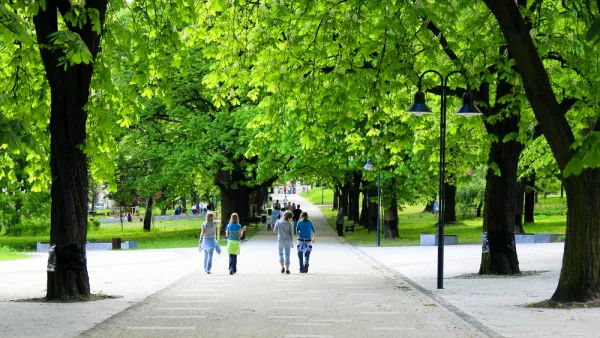
Three Ways Cities Can Combat Extreme Heat
As temperatures rise, there are some relatively simple changes cities can implement to cut cooling costs and deal with spells of extreme heat.
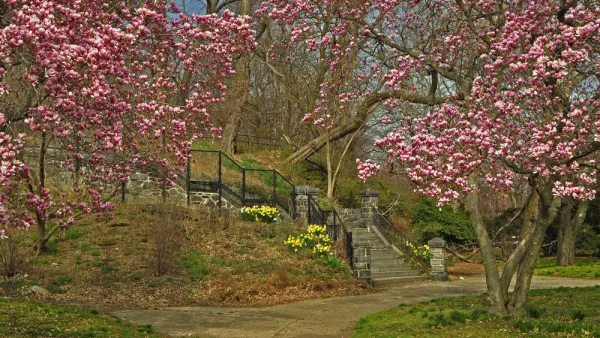
1,000 Football Fields Worth of Trees Lost in Philadelphia Over a Decade
Philadelphia's new "Tree Canopy Assessment" both records the damage of the past decade and makes the case for a new path forward when in comes to prioritizing the city's tree canopy.
Local Curbed Sites Shut Down in D.C., Seattle, New Orleans, Philadelphia
In a blow to local news, a popular planning, development, and real estate platform winnows its local offerings.

Planetizen Federal Action Tracker
A weekly monitor of how Trump’s orders and actions are impacting planners and planning in America.

The state-sanctioned urbicide of Austin
People don’t kill cities. Freeways do.

US to reduce Colorado River water deliveries to Mexico
A new Colorado Treaty amendment reduces Mexico’s Colorado River water allocation by 250,000 acre feet.

5 New England states march closer to 800 megawatt wind energy project
Securing federal approval for the project may be complicated under the Trump administration, which has historically been hostile towards domestic wind power.

Baltimore to break ground on $50 million Transit Priority Project
The project will bring faster bus trips, safer streets and better bike connections to Baltimore.

Airbnb launches $250 million 'last-dollar financing' housing accelerator, makes first investment in Austin
The company will put $6.4 million towards affordable housing development in Texas’ capital.

FREE Course: Walkable City 1: Why Walkability?
After describing his path towards focusing on walkability as the essence of good planning, Jeff Speck marches through his five principal reasons for making more walkable places.
Reinventing Malls: Planning Alchemy—Turning Gray Fields Into Gold
The course focuses on the opportunities and imperatives that shape reinvention of mall sites.

Eagle County Government
Harvard University Graduate School of Design
Nashville Planning Department
The Architects Foundation
University of Cincinnati Online
The Pocatello Development Authority
The Urban Renewal Agency of the City of Pocatello
Journal of the American Planning Association