The Infrastructure Trust was conceived of by Emanuel's administration to help gain private funds to restore the Uptown Theater. It hasn't done that, and some are questioning if it can serve any other useful purpose.


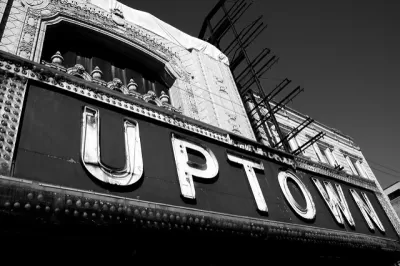
Rahm Emanuel's administration started the Chicago Infrastructure Trust to raise funds from private investors for infrastructure projects. So far, it hasn't been able to do that. "The bold idea was that private financing could be found for much-needed, big-ticket improvements for the city, making it possible to get more of them done sooner and sparing taxpayers from having to foot the bills. City Hall says that still can happen," Tim Novak reports for the Sun Times.
In the meantime, the organization has cost the city $5.1 million dollars in salaries, rent, consulting fees and other costs. The Uptown Theater (which was to be its first big project) remains unrestored. "Rather than disband his taxpayer-funded not-for-profit after failing to attract the private investors Emanuel said it would, the mayor shifted course, changing its mission after the Uptown deal fell apart two years ago," Novak writes. The Trust has aided in selecting contractors for projects like the planned police and fire training facility on the city's west side, but Novak argues: "All are jobs that might otherwise have been done by the Chicago Public Building Commission, which has built Chicago’s police stations, firehouses and schools."
Read the full story: Rahm’s trust a bust? Fails to raise a dime but has cost taxpayers $5M

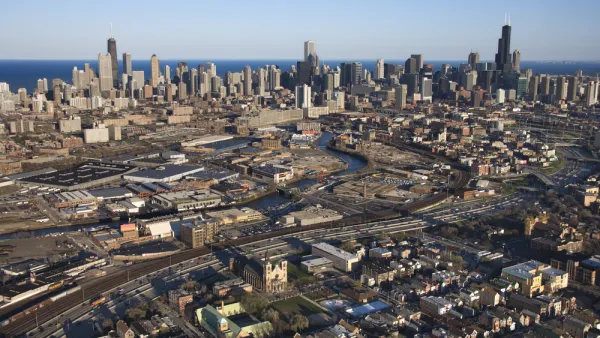
Chicago Planning Commissioner Focuses on Disinvested Neighborhoods
A new initiative seeks to bring investment dollars to Chicago communities that for decades have suffered from the loss of wealth and population.

The Case Against Aldermanic Control of Infrastructure Spending
Chicago’s alderman have control of millions of dollars of street resurfacing "menu money" for local projects. Inspector General Joe Ferguson argues that money would be better spent in a coordinated effort.

Elon Musk Company Closes in on Chicago's Airport Express
The announcement of the finalists to build the O'Hare Express has critics even more concerned about the project's viability.

Planetizen Federal Action Tracker
A weekly monitor of how Trump’s orders and actions are impacting planners and planning in America.

The state-sanctioned urbicide of Austin
People don’t kill cities. Freeways do.

Colorado’s Largest Data Center Could Rise Next to Homes — Without a Public Hearing
The proposed campus would consume 11 times the power of Denver International Airport; as it has across the country, opposition mounts.

Judges permit Denver to divert 77,000 acre feet from the Colorado River for reservoir expansion
Overuse and climate change have caused the Colorado River’s water levels to plummet.

Amtrak, CN end decades-long dispute with eight-year agreement
The new operating agreement establishes an updated framework for the companies to work together, including processes to resolve disputes.
Raised interest rates may kill financially vulnerable construction projects
The chief economist at ConstructConnect warns that if construction project owners are negatively impacted by the raised rates, it could result in delayed payments to contractors.

FREE Course: Walkable City 1: Why Walkability?
After describing his path towards focusing on walkability as the essence of good planning, Jeff Speck marches through his five principal reasons for making more walkable places.
Reinventing Malls: Planning Alchemy—Turning Gray Fields Into Gold
The course focuses on the opportunities and imperatives that shape reinvention of mall sites.

KFH Group Inc.
Greater Baltimore Committee
Eagle County Government
The Architects Foundation
University of Cincinnati Online
The Pocatello Development Authority
The Urban Renewal Agency of the City of Pocatello