The new signals will respond to congestion in real time throughout the day.



Hoping to cut drive times by up to 13 percent, Maryland will spend $50 million to install smart traffic signals statewide.
Currently, if congestion occurs, "the state's 2,500 signals require a technician to go out and reprogram their timing, leaving them unable to adjust quickly to keep traffic moving," explains Katherine Shaver in The Washington Post. The new signals will use pavement sensors to detect even minor backups, and adapt by re-timing light changes.
Maryland isn't the first state to use smart signals, but its network may become the country's most extensive. The rollout will begin this month, starting in corridors with the most compatible technologies.
FULL STORY: ‘Smart’ traffic signals soon will change themselves in Maryland

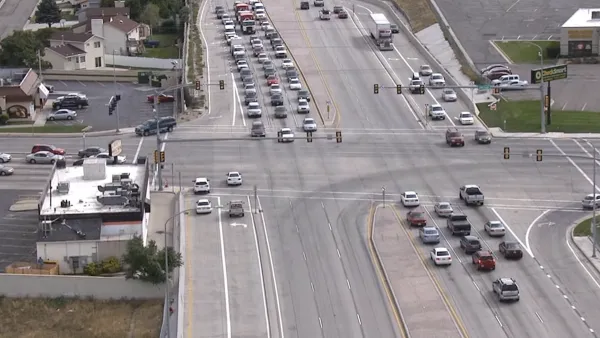
North Carolina Deploys 2,500 AI-Based Traffic Signals
The signals use AI to collect data and help traffic engineers make decisions and implement changes more quickly and effectively.

Boston AI Pilot Optimizes Traffic Light Timing
The program has led to reductions in stop-and-go traffic of as much as 50 percent.
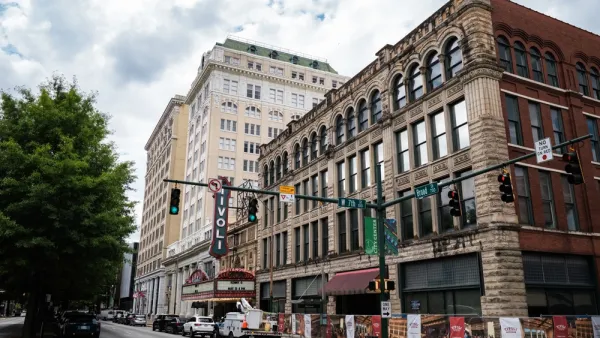
Chattanooga Expands ‘Smart Intersection’ Network
The city is building on a smaller test project that uses sensors to gather data about traffic movement to help transportation planners make more informed traffic management decisions.

Planetizen Federal Action Tracker
A weekly monitor of how Trump’s orders and actions are impacting planners and planning in America.

The state-sanctioned urbicide of Austin
People don’t kill cities. Freeways do.

US to reduce Colorado River water deliveries to Mexico
A new Colorado Treaty amendment reduces Mexico’s Colorado River water allocation by 250,000 acre feet.

5 New England states march closer to 800 megawatt wind energy project
Securing federal approval for the project may be complicated under the Trump administration, which has historically been hostile towards domestic wind power.

Baltimore to break ground on $50 million Transit Priority Project
The project will bring faster bus trips, safer streets and better bike connections to Baltimore.

Airbnb launches $250 million 'last-dollar financing' housing accelerator, makes first investment in Austin
The company will put $6.4 million towards affordable housing development in Texas’ capital.

FREE Course: Walkable City 1: Why Walkability?
After describing his path towards focusing on walkability as the essence of good planning, Jeff Speck marches through his five principal reasons for making more walkable places.
Reinventing Malls: Planning Alchemy—Turning Gray Fields Into Gold
The course focuses on the opportunities and imperatives that shape reinvention of mall sites.

Eagle County Government
Harvard University Graduate School of Design
Nashville Planning Department
The Architects Foundation
University of Cincinnati Online
The Pocatello Development Authority
The Urban Renewal Agency of the City of Pocatello
Journal of the American Planning Association