Corporations have rights in the United States, and an organization called Deep Green Resistance is going to federal court in Colorado to argue that rivers should too.


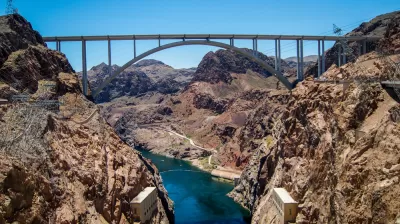
The movement to give rivers the rights of humans has arrived in the United States—the movement has already found success in countries as diverse as Colombia, India, and New Zealand.
Julie Turkewitz reports: "a Denver lawyer and a far-left environmental group are asking a judge to recognize the Colorado River as a person." Turkewitz explains the potential consequence of the lawsuit:
If successful, it could upend environmental law, possibly allowing the redwood forests, the Rocky Mountains or the deserts of Nevada to sue individuals, corporations and governments over resource pollution or depletion. Future lawsuits in its mold might seek to block pipelines, golf courses or housing developments and force everyone from agriculture executives to mayors to rethink how they treat the environment.
A Federal District Court in Denver will consider the lawsuit, which some legal experts say has a slim chance, despite the precedent set in other countries. The article includes insight into the political context of environmentalism in Colorado and other states in the Colorado River watershed, as well as some soundbites that preview the response of regional politicians.
FULL STORY: Corporations Have Rights. Why Shouldn’t Rivers?

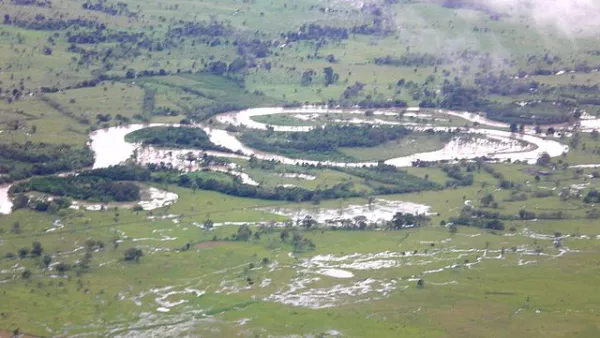
Colombia the Latest to Recognize the Legal Rights of a Cherished River
Colombia joins New Zealand and India as countries that have recognized the legal status of rivers in recent months.
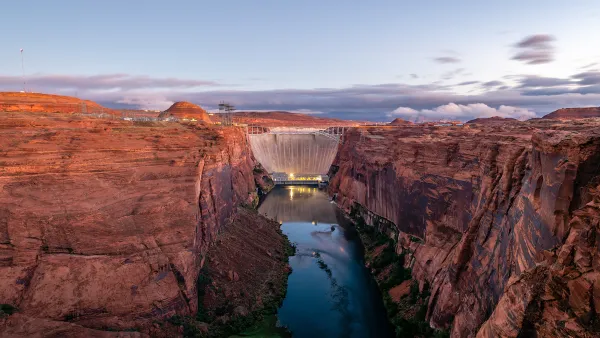
The Life and Death of American Dams
Many of the nation’s largest dam projects are reaching the end of their useful lives, helped along by nature.
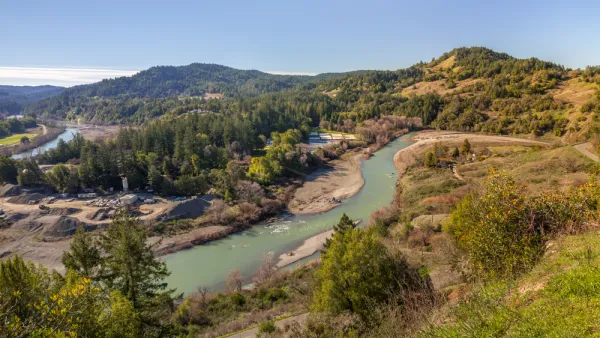
The Nation’s Most Endangered Rivers
An annual list from American Rivers highlights the waterways most at risk from climate change, poor water management, pollution, and other dangers.

The state-sanctioned urbicide of Austin
People don’t kill cities. Freeways do.

US to reduce Colorado River water deliveries to Mexico
A new Colorado Treaty amendment reduces Mexico’s Colorado River water allocation by 250,000 acre feet.

New Jersey’s second-largest city bans standalone data centers
Jersey City will continue to allow co-location facilities, such as those meant for research institutions that store their own data.

Amtrak not solely to blame for New Jersey commuter rail's unreliability, report finds
A new study from the Garden State Initiative found that NJ Transit’s budget grew 20% across a 4 year period, but reliability declined significantly over the same period.

EPA erases limits on planet-warming pollution from power plants
Under Monday’s plan, power plants would still have some limits on how much mercury, arsenic and other contaminants they can emit.

Phoenix announces new on-demand transit service, more frequent RAPID buses
Both new services will launch in October, and are part of Phoenix's Project Effective Access Solutions for Easing Congestion.

FREE Course: Walkable City 1: Why Walkability?
After describing his path towards focusing on walkability as the essence of good planning, Jeff Speck marches through his five principal reasons for making more walkable places.
Reinventing Malls: Planning Alchemy—Turning Gray Fields Into Gold
The course focuses on the opportunities and imperatives that shape reinvention of mall sites.

Eagle County Government
Harvard University Graduate School of Design
Nashville Planning Department
The Architects Foundation
University of Cincinnati Online
The Pocatello Development Authority
The Urban Renewal Agency of the City of Pocatello
Journal of the American Planning Association