The grants revolve around cleanup, accessibility, and governance of the watershed, which spans four states.


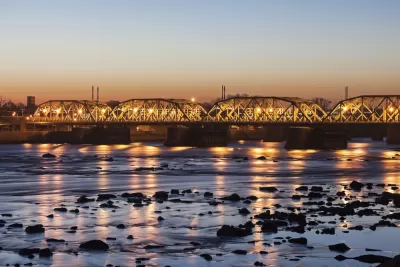
The William Penn Foundation reports that it has awarded $17 million in grants supporting work around the Delaware River watershed since April.
Thirty-five non-profits received grants from the Watershed Protection Program, including both local and national organizations. The funds will help create a new water policy institute, as well as develop a collective vision for the watershed among Pennsylvania, New Jersey, Delaware, and New York.
"The 13,500-square-mile watershed spans from the Catskills in New York through Pennsylvania and New Jersey to the Delaware Bay. It provides drinking water for 15 million people as well as recreational activities," Frank Kummer notes for Philly.com.
The grants bring the foundation's annual awards to $25.5 million in 2017. It has pledged a total of $30 million by year's end.
FULL STORY: 35 groups get $17M from William Penn Foundation for watershed protection

Dam Removal Goes Mainstream
In 20 years, dam removal has gone from a "fringe notion" to "wide acceptance." National Geographic explains how and why this sea change occurred.
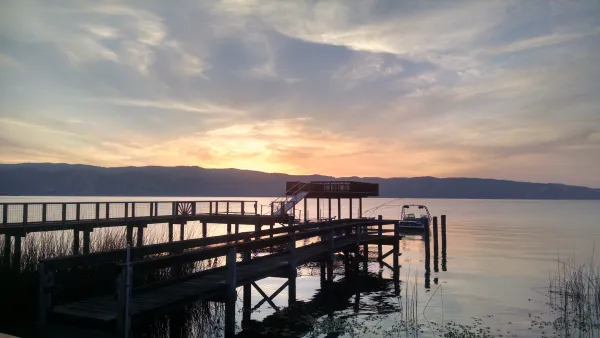
Tribes to co-manage California’s biggest lake, protect its sacred fish
The Clear Lake hitch, a fish only found in Clear Lake, must contend with mercury contamination, algal blooms and predatory invasive fish in the watershed.

Are Regional Governments the Answer to the Housing Crisis?
A never-realized model of regional governance once proposed in California could help ease the housing crunch and create more housing in suburbs and peripheral areas.

The state-sanctioned urbicide of Austin
People don’t kill cities. Freeways do.

US to reduce Colorado River water deliveries to Mexico
A new Colorado Treaty amendment reduces Mexico’s Colorado River water allocation by 250,000 acre feet.

New Jersey’s second-largest city bans standalone data centers
Jersey City will continue to allow co-location facilities, such as those meant for research institutions that store their own data.

Amtrak not solely to blame for New Jersey commuter rail's unreliability, report finds
A new study from the Garden State Initiative found that NJ Transit’s budget grew 20% across a 4 year period, but reliability declined significantly over the same period.

EPA erases limits on planet-warming pollution from power plants
Under Monday’s plan, power plants would still have some limits on how much mercury, arsenic and other contaminants they can emit.

Phoenix announces new on-demand transit service, more frequent RAPID buses
Both new services will launch in October, and are part of Phoenix's Project Effective Access Solutions for Easing Congestion.

FREE Course: Walkable City 1: Why Walkability?
After describing his path towards focusing on walkability as the essence of good planning, Jeff Speck marches through his five principal reasons for making more walkable places.
Reinventing Malls: Planning Alchemy—Turning Gray Fields Into Gold
The course focuses on the opportunities and imperatives that shape reinvention of mall sites.

Eagle County Government
Harvard University Graduate School of Design
Nashville Planning Department
The Architects Foundation
University of Cincinnati Online
The Pocatello Development Authority
The Urban Renewal Agency of the City of Pocatello
Journal of the American Planning Association