To better advocate for the kind of walking and biking infrastructure it wants to see in a regional trail network, the Capital Trails Coalition has set out to define the components of a high-quality trail.



Bryan Barnett-Woods reports on an effort by the Capital Trails Coalition to identify and adopt consistent criteria for the evaluation of trails in the D.C. region.
"When the understanding of what a trail is varies, it's hard to create a true regional network that people of all abilities are comfortable using," explains Barnett-Woods of the problem facing active transportation advocates in the region. To better promote the creation of a regional network of trails, Capital Trails Coalition first laid out criteria for the components of a high-quality trail.
Barnett-Woods list the criteria, with more detail in the article to describe each point:
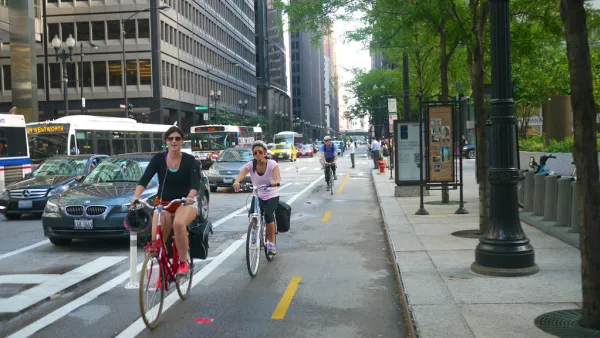
- Be separate from automobiles
- Be wide
- Have paved or hard surfaces
- Connect to other trails or destinations
- Accommodate both transportation and recreation
- Be a project that’s realistic to build now or sometime soon
- Follow uniform design standards
Read the full story: Not all trails are created equal. Here’s how to tell the gold standard from the imitators
Cycling Rates Remain High Across the Country
The bike boom that began during the pandemic shows no signs of abating, according to a new report.
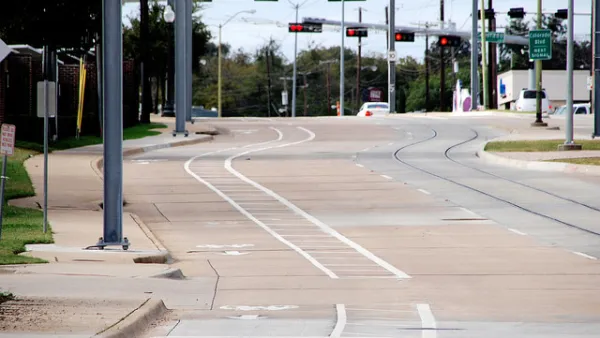
Dallas Makes First-Ever Annual Commitment to its Bike Lane Program
Dallas is making new commitments to alternative transportation options—the latest example is found in a budget expenditure for several bike lane projects.

Bikelash Wins in Phoenix
Neighborhood opposition overwhelmed a plan to reduce the number of vehicles lanes on North Central Avenue to make space for a new bike lane, despite evidence of the benefits of the proposed street reconfiguration.

Planetizen Federal Action Tracker
A weekly monitor of how Trump’s orders and actions are impacting planners and planning in America.

Eastern Nebraska is running out of electricity
Data centers and electrification are straining eastern Nebraska’s grid, throttling economic development.

Move over, LA: St. Louis gears up for Olympics, invests millions in downtown redevelopment
The Missouri city will host the 2028 Olympic soccer group stage and knockout matches.

Dallas releases zoning code overhaul to officials
The drafted overhaul is over 400 pages long.

NYC renovations for dangerous, ‘mercilessly crammed’ street delayed until 2027
Construction was supposed to begin this fall.

San Diego’s Midway Rising project gets greenlight from city council
The project looks to become the largest affordable housing development in California's history.

FREE Course: Walkable City 1: Why Walkability?
After describing his path towards focusing on walkability as the essence of good planning, Jeff Speck marches through his five principal reasons for making more walkable places.
Reinventing Malls: Planning Alchemy—Turning Gray Fields Into Gold
The course focuses on the opportunities and imperatives that shape reinvention of mall sites.

City of Rosemead
Rutgers University, Edward J. Bloustein School of Planning and Public Policy
One Hundred Miles
University of Michigan School for Environment and Sustainability (SEAS)
Hunter College, City University of New York (CUNY)
The Architects Foundation
City of Cambridge
The Pocatello Development Authority
The Urban Renewal Agency of the City of Pocatello