The Guardian samples prominent examples of digital natives bringing new expectations for the use of technology to the public sector.



"The increase in the number of digital natives in governments not only brings in different skills, it also enthuses the rest of the workforce, and opens their eyes to more unusual ideas," according to an article by Rebecca Hill.
After detailing a few examples of citizen science and crowdsourcing innovations, Hill examines examples of how digital technology-enabled bureaucrats are changing the practice of planning.
Take Block by Block, which uses the game Minecraft to help young people show city planners how urban spaces could work better for them.
A decade ago it would have been hard to imagine a UN agency encouraging local governments to use a game to re-design their cities. Now UN-Habitat, which works with governments to promote more sustainable urban environments, is doing just that.
There are more examples of useful apps related to planning (and a few that are a little further afield in the governance universe) included in the article.
Read the full story: Minecraft in urban planning: how digital natives are shaking up governments


Children in 55 countries are redesigning their cities in Minecraft
A U.N.-backed program lets students and community members reimagine sites in their neighborhoods in the game — and translate them into real-life buildings.
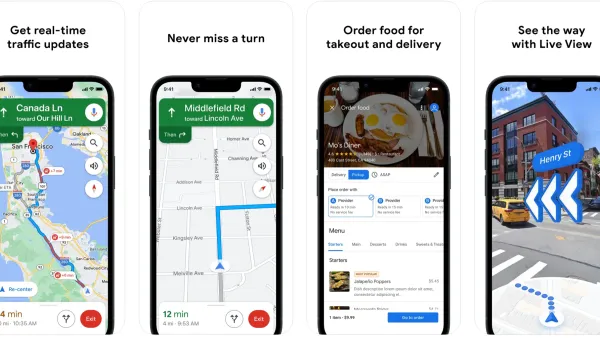
Recommended Mobile Apps for Urban Planning in 2023
Planetizen's annual list of top apps for planners is back, ten years after its first appearance on the site. Scores of apps have been recommended by planners as examples of planning in action, or tools for planning action.

Survey: Help Identify the Best Planning Apps of 2023
Planetizen needs your help updating the definitive list of mobile apps for professional, student, academic, or citizen planners.

‘Going backwards:’ Baltimore mayor, students rally against state's transit funding plan
Maryland's proposed six-year plan provides no funding for Baltimore’s BMORE bus program and reduces its road maintenance funding.

Detroit to transform waterfront with $2.2 billion investment
Developers will convert about 18 acres of unused parking lot space into civic spaces.

Mamdani sent nearly 6,000 pied-à-terre tax warnings to homes that didn’t qualify
A judge has ordered the administration to cancel thousands of pied-à-terre tax notices after it sent 35% of them erroneously.

25 states, cities sue the EPA over erased power plant emissions limits
The coalition also intends to sue the EPA for not regulating emissions from gas-fired power plants.

Newsom vetoes giving CA tribes greater voice in water projects
In his veto letter, Newsom said the bill would add ‘uncertainty’ to the state’s fight to secure Californians’ water supplies.

Michigan Senate votes to revise 'lax' dam safety laws
A Bridge Michigan investigation found more than 100,000 Michigan residents live in the floodpath of a high or significant-hazard dam.

FREE Course: Walkable City 1: Why Walkability?
After describing his path towards focusing on walkability as the essence of good planning, Jeff Speck marches through his five principal reasons for making more walkable places.
Reinventing Malls: Planning Alchemy—Turning Gray Fields Into Gold
The course focuses on the opportunities and imperatives that shape reinvention of mall sites.

City of Thousand Oaks
City of Wisconsin Rapids
Harvard University Graduate School of Design
The Architects Foundation
University of Cincinnati Online
Northern Illinois Transit Authority (NITA)
The Pocatello Development Authority
The Urban Renewal Agency of the City of Pocatello